Methodology
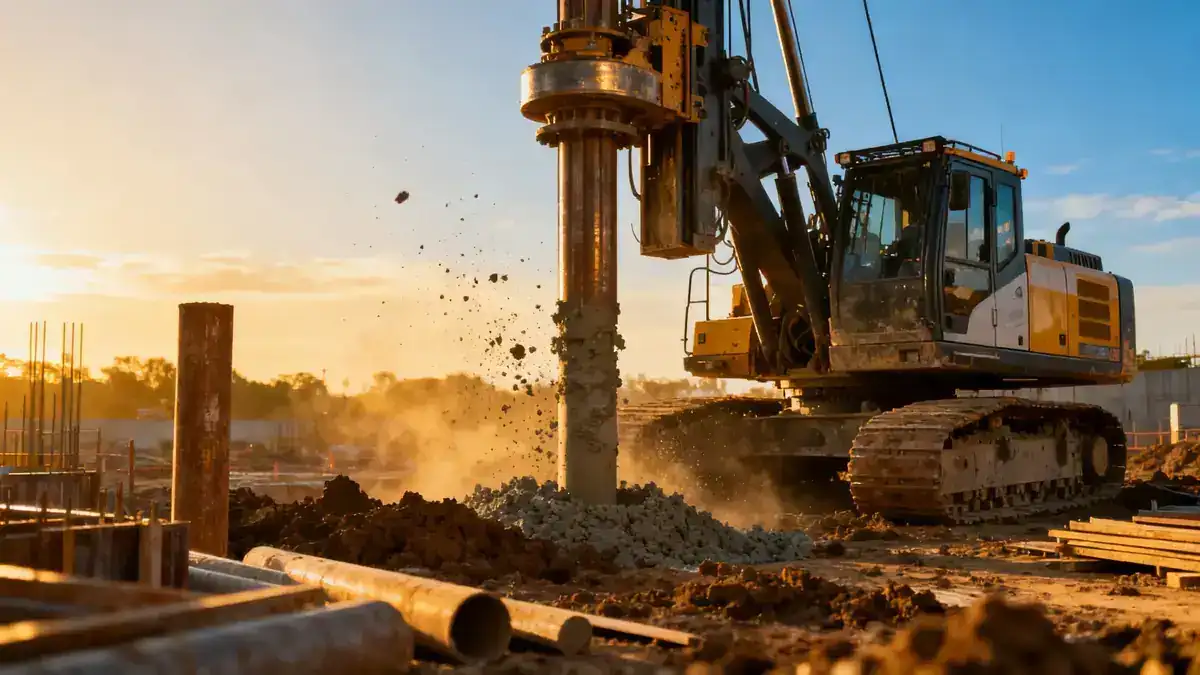
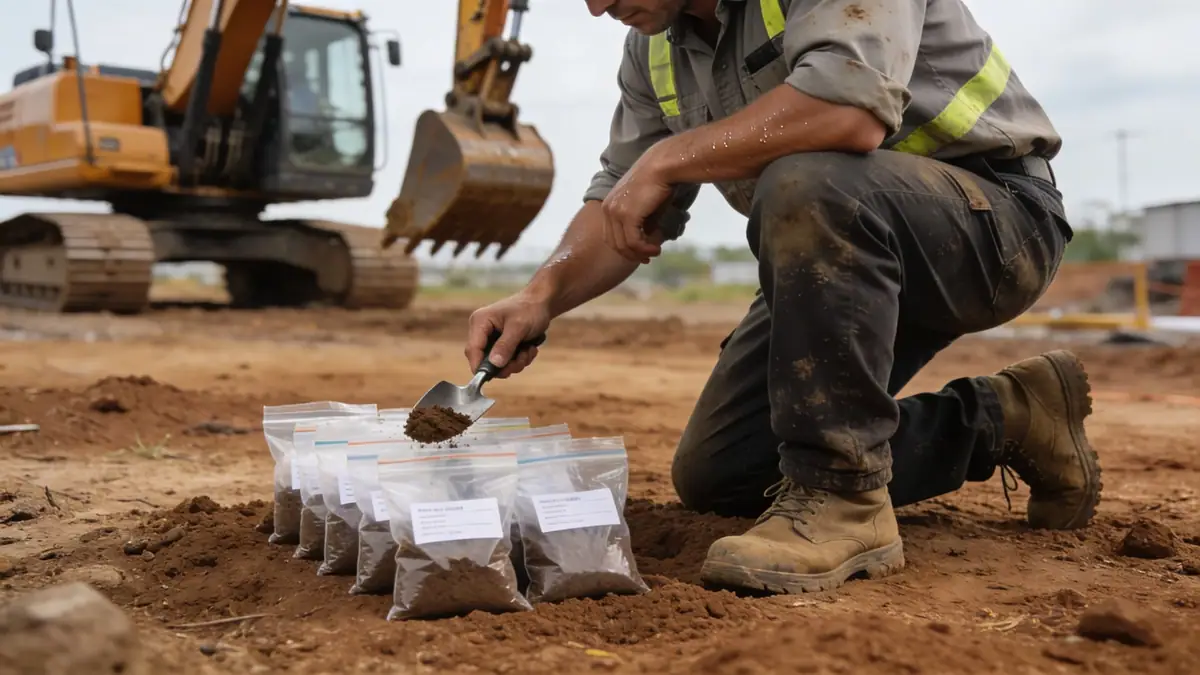
Our approach in Albuquerque integrates standard and advanced investigation techniques, including spt boring to obtain soil samples and measure resistance. We correlate field data with laboratory testing to characterize soil behavior under static and seismic loads. For each site, we develop a site-specific exploration plan considering the expected stratigraphy and groundwater conditions. Our methodology adheres to ASTM D1586 for standard penetration tests and employs continuous monitoring to ensure data reliability. This systematic evaluation supports safe and cost-effective foundation design.
Reference Technical Parameters
| Parameter | Reference Value |
|---|---|
| Predominant Soil Type | Alluvial sands, silts, and gravels |
| Maximum Seismic Acceleration (PGA) | 0.2g to 0.3g (ASCE 7-16) |
| Typical Groundwater Level | Variable, 3 to 10 m depth |
| Bedrock Depth | > 30 m in valley areas |
| Typical N60 Range | 10 to 50 blows/0.3 m |
Local Considerations — Albuquerque
Albuquerque's geology is dominated by the Rio Grande rift, with deep alluvial deposits overlying bedrock. Soil types range from loose sands to dense gravels, often with high variability over short distances. The shallow water table in the valley can complicate excavations and require dewatering. Seismic risk is moderate, with design accelerations per ASCE 7. The eastern foothills present stiffer soils and rock near the surface, while the west side features deeper, softer sediments. Typical projects involve shallow foundations for residential structures and deep foundations for larger buildings. Our experience includes addressing collapsible soils and expansive clays in certain areas. For broader context, our team also provides geotechnical engineering en Denver services across the region.
Request a Quote
Our team reviews your project and issues an initial report at no cost.
Or write us directly at contact@geotechnicalengineering.net
Services in Albuquerque
Applicable Standards
- ASCE 7-16 Minimum Design Loads
- ASTM D1586 Standard Penetration Test
- ASTM D2487 Unified Soil Classification
- IBC 2021 International Building Code
- City of Albuquerque Grading and Drainage Manual
Frequently Asked Questions
What are the typical soil conditions in Albuquerque?
Albuquerque soils are primarily alluvial deposits from the Rio Grande, consisting of sands, silts, and gravels. These soils can be loose near the surface and become denser with depth. Variability is common, requiring site-specific investigations to determine bearing capacity and settlement characteristics.
Does Albuquerque have seismic design requirements?
Yes, Albuquerque is in a moderate seismic zone. Design must comply with ASCE 7-16, which specifies spectral accelerations and site class factors. The peak ground acceleration (PGA) typically ranges from 0.2g to 0.3g, depending on site location and soil profile. Geotechnical reports must include seismic parameters for structural design.
Are geotechnical studies mandatory for construction in Albuquerque?
While not always legally required for all projects, most building permits in Albuquerque necessitate a geotechnical investigation, especially for commercial and multi-family structures. The city's grading and drainage manual also recommends subsurface exploration to address soil stability and groundwater issues.