Methodology
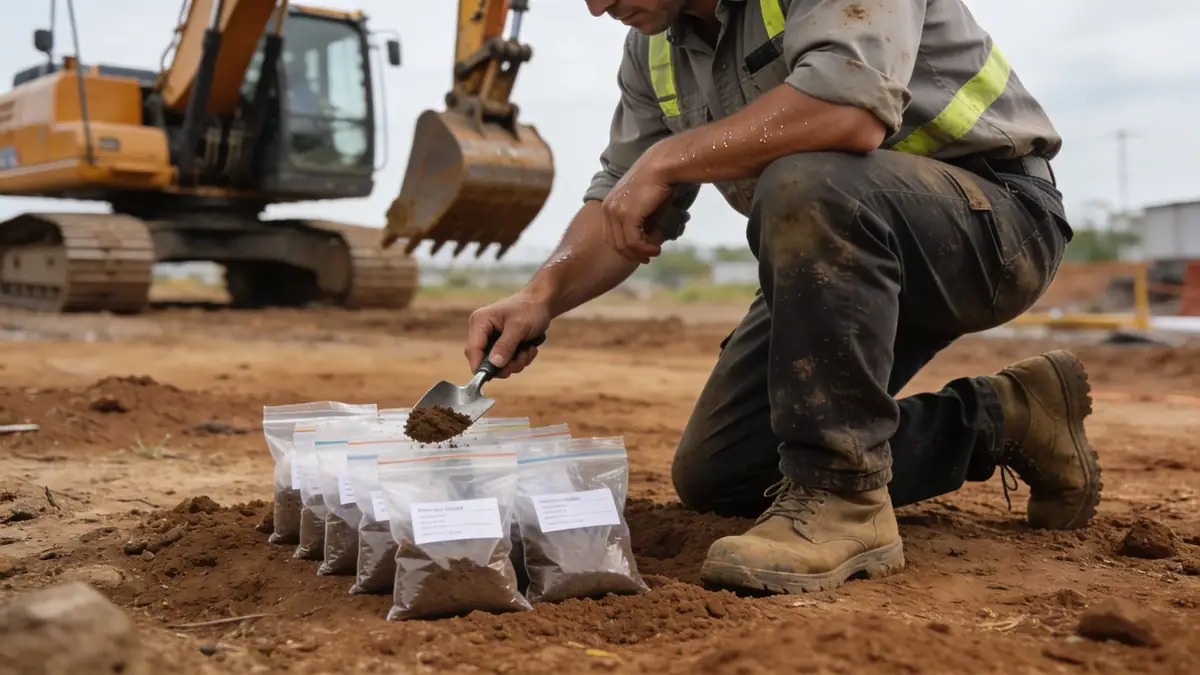
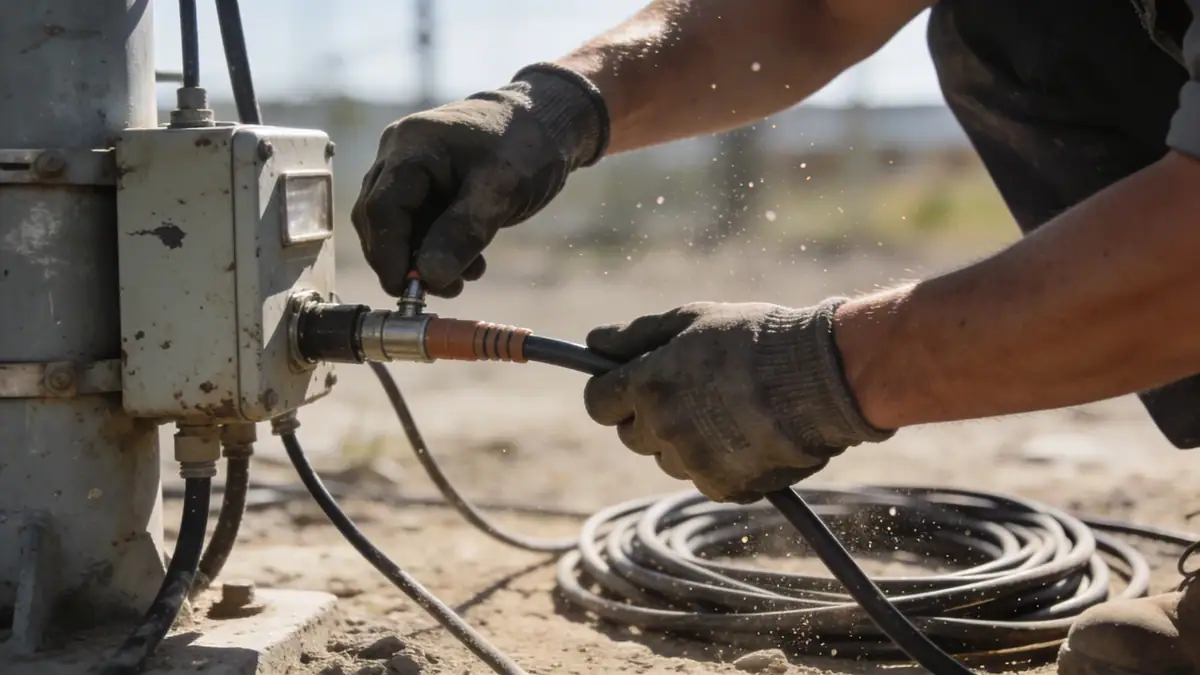
Our methodology for geotechnical engineering in Phoenix integrates field exploration, laboratory testing, and analytical modeling. We conduct standard penetration tests (SPT) per ASTM D1586 to assess subsurface conditions, complemented by cone penetration testing (CPT) for continuous profiling. Soil samples are analyzed in our soil mechanics laboratory for classification, strength, and compressibility parameters. Advanced analyses include slope stability evaluations and foundation settlement predictions. All investigations adhere to local building codes and industry standards, ensuring robust and defensible recommendations.
Reference Technical Parameters
| Parameter | Reference Value |
|---|---|
| Predominant soil type | Silty and clayey sands (SM, SC), with expansive clays in some areas |
| Maximum seismic acceleration (PGA) | 0.2–0.3 g (ASCE 7-16, Site Class D) |
| Typical groundwater level | Variable, 30–100 m below surface in most locations |
| Bedrock depth | Typically > 50 m (deep alluvial basin) |
| Typical N60 range | 5–30 blows/ft for near-surface soils (ASTM D1586) |
Local Considerations — Phoenix
Phoenix lies within the Basin and Range province, underlain by deep alluvial deposits. The region experiences low to moderate seismicity, with design accelerations per ASCE 7-16 ranging from 0.2 to 0.3 g. Expansive clays (e.g., from the Verde Formation) pose risks for slab-on-grade foundations. Groundwater is generally deep but can be shallow near canals. Site-specific slope stability evaluations are critical for hillside developments. Our firm tailors investigations to account for these factors, including arroyo erosion and collapsible soils.
Request a Quote
Our team reviews your project and issues an initial report at no cost.
Or write us directly at contact@geotechnicalengineering.net
Services in Phoenix
Locations covered in Phoenix
Applicable Standards
- ASTM D1586 – Standard Penetration Test
- ASCE 7-16 – Minimum Design Loads and Associated Criteria for Buildings
- IBC 2021 – International Building Code (adopted by Phoenix)
Frequently Asked Questions
What soil types are commonly encountered in Phoenix?
Soils in Phoenix are predominantly silty and clayey sands (SM, SC) from alluvial deposits. Expansive clays are present in certain areas, particularly near the Verde River. Collapsible soils and caliche layers are also common, requiring careful geotechnical investigation.
How does seismic design affect geotechnical engineering in Phoenix?
Phoenix is in Seismic Design Category B or C per ASCE 7-16, with peak ground accelerations of 0.2–0.3 g. Site-specific seismic hazard analyses may be required for critical structures. Soil liquefaction potential is generally low due to deep groundwater, but loose sands near the surface warrant evaluation.
Are geotechnical studies mandatory for construction in Phoenix?
Yes, for most commercial and multi-family residential projects, the City of Phoenix Building Code requires a geotechnical report per IBC 2021. Single-family homes may not always require one, but it is recommended for sites with expansive soils or slopes.