Methodology
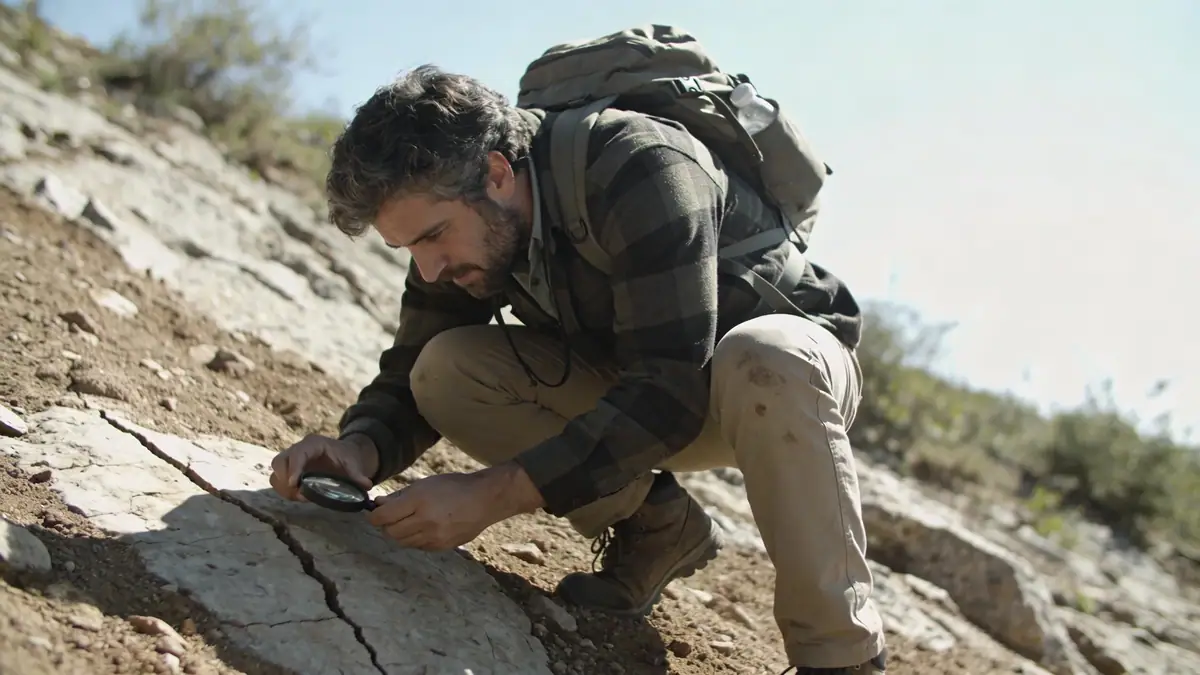
Our methodology for slope stability begins with a comprehensive site reconnaissance and subsurface exploration using Standard Penetration Tests (SPT) per ASTM D1586. We install inclinometers and piezometers to monitor deformation and pore pressure. Soil samples are tested in our Soil Mechanics Laboratory for shear strength parameters (triaxial, direct shear). We then perform limit equilibrium and finite element analyses (e.g., using Bishop’s simplified method) to compute factor of safety. For critical projects, we incorporate probabilistic methods. Our approach ensures compliance with international standards and local codes, delivering robust solutions for any terrain.
Reference Technical Parameters
| Parameter | Reference Value |
|---|---|
| Factor of Safety (Static) | 1.5 (minimum per ASCE 7) |
| Shear Strength (c, φ) | 0–100 kPa, 20°–40° (typical) |
| Slope Angle | 15°–45° (design range) |
| Pore Pressure Ratio (ru) | 0.0–0.5 (critical for stability) |
| Seismic Coefficient (kh) | 0.05–0.30 (per USGS seismic maps) |
Local Considerations — USA
Across the USA, slope stability requirements vary significantly due to seismic zones, climate, and soil types. In the Pacific Northwest (e.g., Seattle and Portland), high rainfall and glacial soils necessitate drainage analysis. In the Southwest (e.g., Phoenix and Tucson), expansive clays and arid conditions require specialized testing. In the Northeast (e.g., New York and Boston), glacial tills and urban excavations demand precise monitoring. Our firm adapts its approach for each region, leveraging local expertise in cities like Akron, Albuquerque, and Allentown to ensure compliance with regional building codes. We calibrate our models using site-specific data, providing reliable stability assessments nationwide.
Request a Quote
Our team reviews your project and issues an initial report at no cost.
Or write us directly at contact@geotechnicalengineering.net
Applicable Standards
- ASTM D1586 – Standard Test Method for Standard Penetration Test (SPT)
- ASCE 7 – Minimum Design Loads for Buildings and Other Structures (Chapter 12: Seismic Loads)
- Eurocode 7 – Geotechnical Design (Part 1: General Rules)
- USGS Seismic Hazard Maps – Ground motion parameters for pseudo-static analysis
Frequently Asked Questions
What methods are used for slope stability analysis?
We use limit equilibrium methods (e.g., Bishop, Morgenstern-Price) and finite element modeling. Field data from SPT and laboratory shear tests (triaxial, direct shear) are incorporated. Pore pressure monitoring and inclinometer readings refine the analysis.
How long does a typical slope stability study take?
A standard study takes 4–8 weeks, depending on site complexity, access, and depth of investigation. Urgent projects may be expedited with prior coordination.
Which standards govern slope stability analysis in the USA?
Key standards include ASTM D1586 for SPT, ASCE 7 for seismic loading, and Eurocode 7 for design. Local building codes and USGS seismic maps also apply.
How much does slope stability analysis cost in the USA?
Costs range from $1,260 to $4,200 per project, depending on depth, number of borings, laboratory tests, and site accessibility. For a precise quote, please contact us with project details.