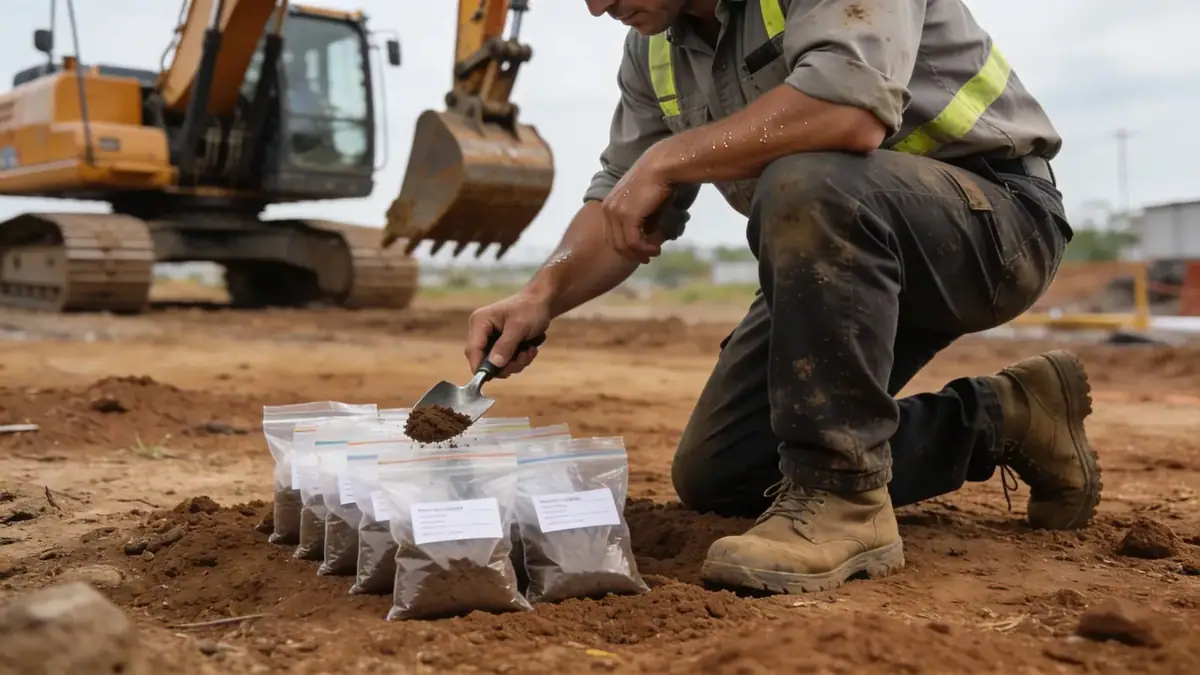
Methodology
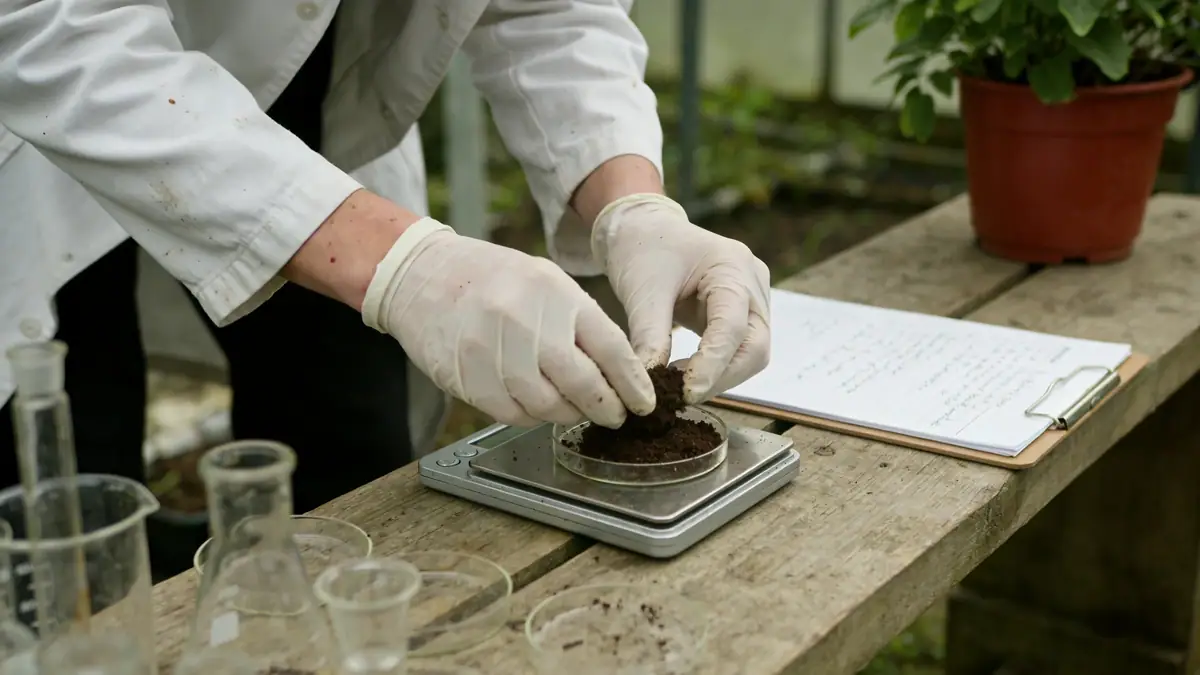
Our approach to geotechnical engineering in Chicago begins with a thorough review of existing geological data and site history. We then conduct field investigations, such as spt boring in accordance with ASTM D1586, to characterize soil strata and strength. Laboratory testing on recovered samples provides index properties and engineering parameters. This integrated methodology allows us to develop site-specific recommendations for foundations, earthworks, and groundwater control. Throughout the process, our team adheres to strict quality assurance protocols, ensuring that the data collected is representative and reliable for design and construction.
Reference Technical Parameters
| Parameter | Reference Value |
|---|---|
| Predominant soil type | Glacial till (hard clay/silt) over bedrock |
| Maximum seismic acceleration (PGA) | 0.05–0.10 g (ASCE 7-16 Site Class D) |
| Typical groundwater level | 5–15 ft below grade, varies seasonally |
| Bedrock depth | 100–300 ft (dolomite/limestone) |
| Typical N60 range (SPT) | 10–50 blows/ft in till |
Local Considerations — Chicago
Chicago's subsurface is dominated by glacial till, a stiff clay/silt matrix with occasional sand lenses, overlying dolomite bedrock at depths of 100 to 300 feet. The water table is generally shallow, ranging from 5 to 15 feet below grade, requiring careful dewatering considerations for excavations. Seismic design follows ASCE 7-16, with peak ground accelerations of 0.05 to 0.10 g for Site Class D. In downtown areas, deep foundations are common to reach competent bearing strata, while shallow foundations are feasible where stiff till is near the surface. Our team integrates these local factors into every investigation, including soil mechanics laboratory testing to refine design parameters.
Request a Quote
Our team reviews your project and issues an initial report at no cost.
Or write us directly at contact@geotechnicalengineering.net
Services in Chicago
Locations covered in Chicago
Applicable Standards
- ASTM D1586 (Standard Test Method for SPT)
- ASCE 7-16 (Minimum Design Loads for Buildings)
- Chicago Building Code (Title 14B)
- IBC 2021 (International Building Code)
- ASTM D2487 (Classification of Soils)
Frequently Asked Questions
What soil types are typically encountered in Chicago?
Chicago's subsurface predominantly consists of glacial till—a dense mixture of clay, silt, sand, and gravel. This till can be very stiff to hard, with occasional soft clay or sand lenses. Underlying the till is dolomite bedrock at significant depth, typically 100 to 300 feet below grade.
Are geotechnical investigations required for all construction in Chicago?
Yes, the Chicago Building Code mandates a geotechnical investigation for most new construction and major renovations, especially for buildings with deep foundations or unusual loads. The investigation must characterize soil conditions and provide recommendations for foundation design, including parameters for lateral earth pressures and groundwater control.
What seismic design considerations apply to Chicago?
Chicago is located in a region of low to moderate seismicity. According to ASCE 7-16, the maximum considered earthquake spectral response acceleration (S_s) is approximately 0.05–0.10 g for Site Class D. Site-specific response analysis may be required for critical facilities or where soil amplification is significant.