Methodology
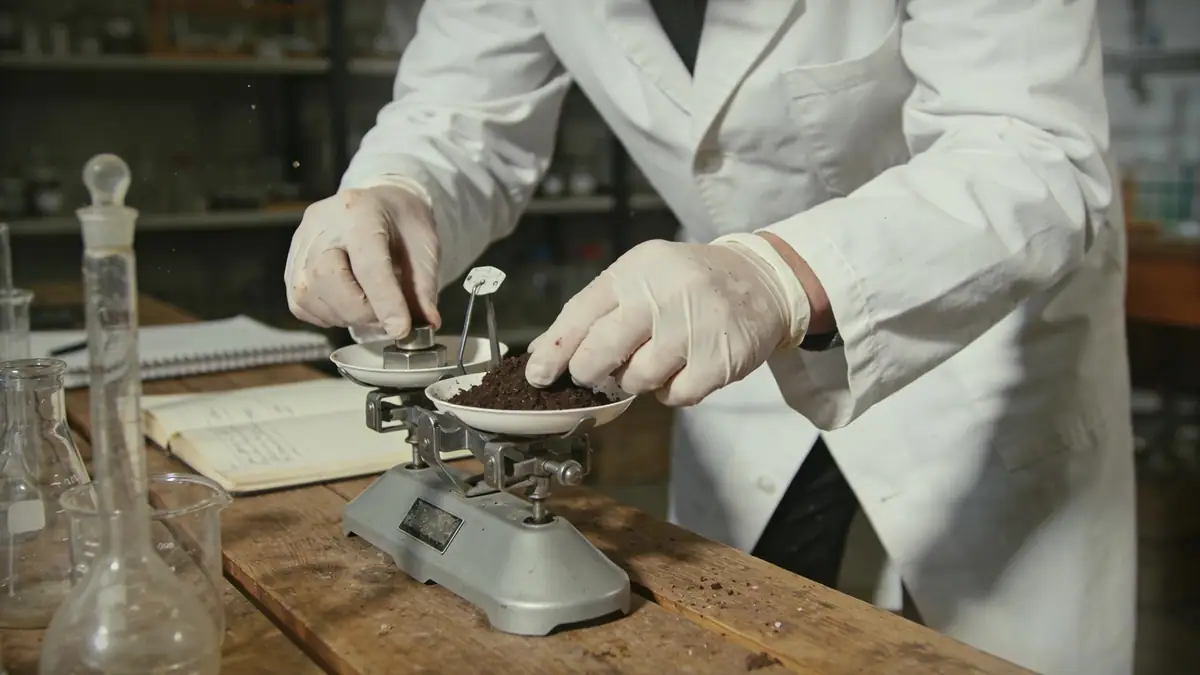
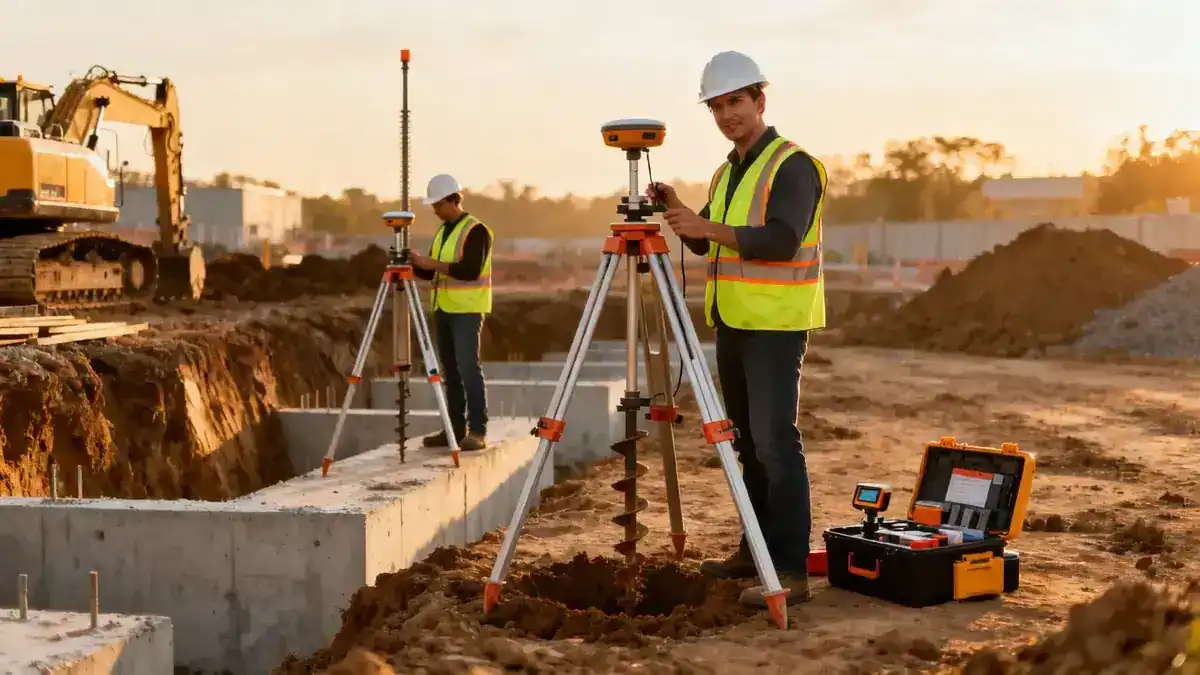
Our methodology follows ASTM D1586 for Standard Penetration Test (SPT) sample recovery and subsequent laboratory analysis. We perform grain size distribution, Atterberg limits, direct shear, and consolidation tests using automated equipment calibrated to NIST standards. Each test series includes a minimum of three triaxial compression tests at confining pressures representing in-situ conditions up to 10 MPa. Results are cross-referenced with field data from SPT Boring to develop site-specific soil profiles. Our team documents all procedures per ASTM and AASHTO protocols, ensuring reproducibility and compliance with project specifications.
Reference Technical Parameters
| Parameter | Reference Value |
|---|---|
| Grain Size Distribution (Sieve + Hydrometer) | ASTM D422; 0.075–100 mm range |
| Atterberg Limits (LL, PL, PI) | ASTM D4318; precision ±1% |
| Direct Shear Strength | ASTM D3080; 0.1–2.0 mm/min shear rate |
| Consolidation (Oedometer) | ASTM D2435; vertical stress up to 10 MPa |
| Triaxial Compression (UU, CU, CD) | ASTM D4767; cell pressure to 2 MPa |
Local Considerations — USA
The United States spans multiple seismic zones and varied geologic provinces, requiring our Soil Mechanics Laboratory to adapt testing protocols accordingly. In Anchorage, we prioritize cyclic triaxial tests for liquefaction assessment in high-seismic Zone 4. For Albuquerque, we focus on collapse potential of arid alluvial soils. In Allentown, glacial till deposits necessitate careful evaluation of compaction characteristics. Our nationwide team calibrates every test to local conditions, delivering site-specific parameters for safe and economical design.
Request a Quote
Our team reviews your project and issues an initial report at no cost.
Or write us directly at contact@geotechnicalengineering.net
Applicable Standards
- ASTM D1586 – Standard Penetration Test (SPT)
- ASTM D2487 – Unified Soil Classification System
- ASTM D422 – Particle-Size Analysis of Soils
- AASHTO T 311 – Grain Size Analysis of Granular Materials
Frequently Asked Questions
What is the turnaround time for standard soil mechanics tests?
Routine tests such as grain size and Atterberg limits are typically completed within 5–7 business days. Advanced tests like triaxial compression may require 2–3 weeks, depending on the number of specimens and confining pressures. Expedited services are available for critical projects.
Which ASTM standards are used for soil classification in your laboratory?
We adhere to ASTM D2487 for the Unified Soil Classification System (USCS) and ASTM D422 for particle-size analysis. Atterberg limits are determined per ASTM D4318. All testing follows current ASTM edition requirements.
Do you provide testing for undisturbed soil samples?
Yes, we test undisturbed samples recovered via thin-walled tubes (Shelby tubes) per ASTM D1587. Our laboratory performs consolidation, triaxial, and direct shear tests on undisturbed specimens to preserve in-situ structure and stress history.
How much does a Soil Mechanics Laboratory test program cost in the USA?
A typical test program ranges from $3,150 to $5,250, depending on the number of tests, sample depth, and site accessibility. This includes standard classification, strength, and consolidation tests. For a precise quote tailored to your project, please contact our team.