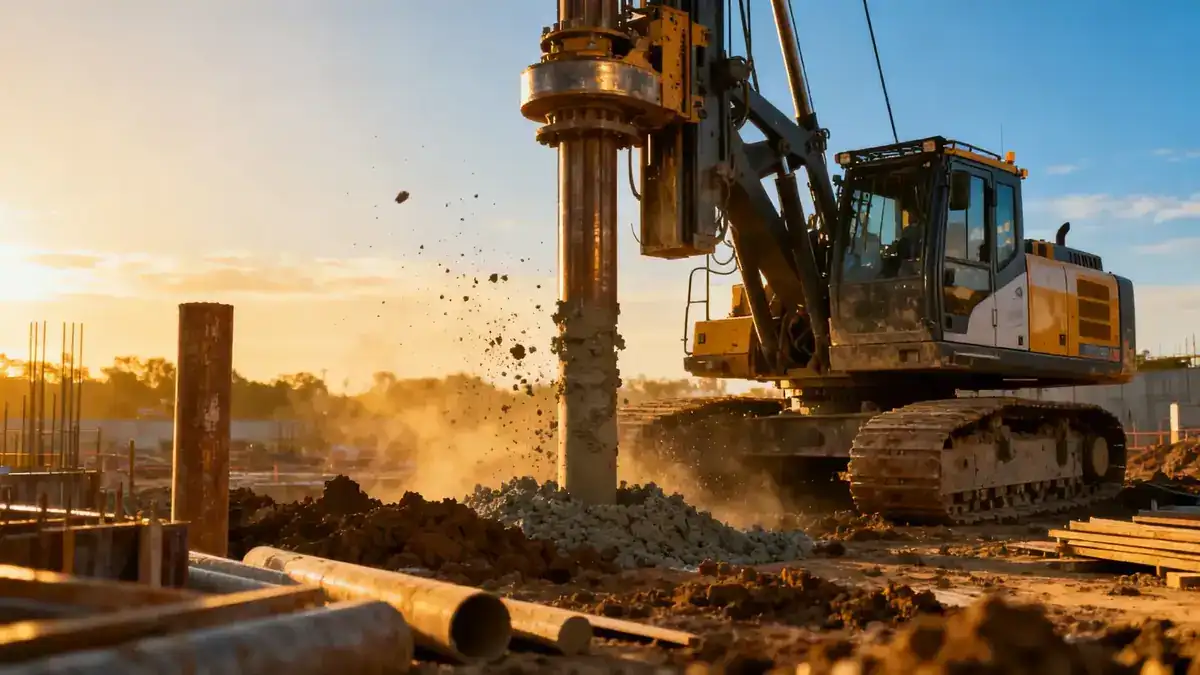
Methodology
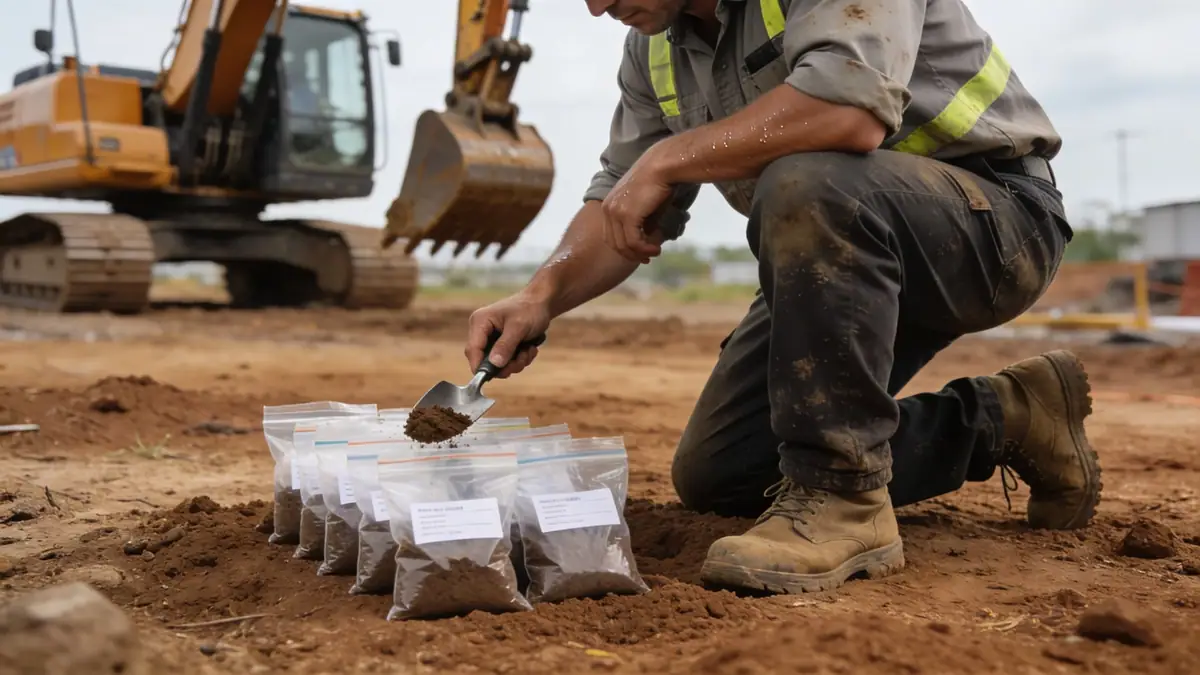
Our methodology for geotechnical engineering in Los Angeles begins with a detailed desk study of regional geology, seismic history, and existing subsurface data. We then conduct field investigations using techniques such as spt boring and cone penetration testing to profile soil strata and measure in-situ strength. Samples are analyzed in our soil mechanics laboratory to determine index properties, shear strength, and consolidation characteristics. For seismic design, we perform site-specific response analyses per ASCE 7 to evaluate liquefaction potential and ground motion amplification. This integrated approach allows us to develop tailored foundation and earth retention recommendations that address the unique challenges of each site.
Reference Technical Parameters
| Parameter | Reference Value |
|---|---|
| Predominant soil type | Alluvial sands, silts, and clays; colluvial deposits in hillside areas |
| Maximum seismic acceleration (PGA) | 0.4g to 0.6g (ASCE 7 Site Class D) |
| Typical groundwater level | 5 to 15 meters below ground surface, variable with season |
| Bedrock depth | 10 to 30 meters in valley areas; shallow in hillsides |
| Typical N60 range (SPT) | 10 to 40 blows per 0.3m (ASTM D1586) |
Local Considerations — Los Angeles
Los Angeles sits within a seismically active basin underlain by the Puente Hills, Santa Monica, and San Andreas fault systems. The region's alluvial soils are prone to liquefaction during strong shaking, while hillside areas face landslide risks exacerbated by wildfire-induced soil hydrophobicity. Groundwater levels fluctuate significantly, impacting excavation stability and foundation design. Downtown LA's deep alluvium requires deep foundations or ground improvement, whereas the San Fernando Valley often presents dense sands and gravels suitable for spread footings. Local building codes mandate site-specific seismic hazard analyses per ASCE 7 and the California Building Code. Our firm integrates these factors into every project, ensuring robust slope stability assessments and foundation designs.
Request a Quote
Our team reviews your project and issues an initial report at no cost.
Or write us directly at contact@geotechnicalengineering.net
Services in Los Angeles
Locations covered in Los Angeles
Applicable Standards
- ASTM D1586 (Standard Test Method for Standard Penetration Test (SPT))
- ASCE 7 (Minimum Design Loads and Associated Criteria for Buildings and Other Structures)
- California Building Code (CBC) 2022
- ASTM D2487 (Standard Practice for Classification of Soils for Engineering Purposes)
Frequently Asked Questions
What are the typical soil types encountered in Los Angeles?
Los Angeles soils vary widely, from alluvial sands, silts, and clays in the valleys to colluvial and residual soils in hillside areas. Coastal zones may have marine deposits. These conditions require careful geotechnical characterization to assess bearing capacity, settlement, and seismic hazards.
How do seismic building codes affect geotechnical studies in Los Angeles?
Seismic codes such as ASCE 7 and the California Building Code require site-specific ground motion analysis, liquefaction evaluation, and slope stability checks. Geotechnical reports must provide design parameters for lateral earth pressures, foundation seismic forces, and soil-structure interaction to ensure life safety.
When is a geotechnical investigation mandatory for construction in Los Angeles?
A geotechnical investigation is typically required for new buildings, additions, and hillside developments. Local jurisdictions mandate soil reports for permit approval, especially in seismic zones. Our team assists clients in navigating these requirements to avoid delays and ensure code compliance.