Methodology
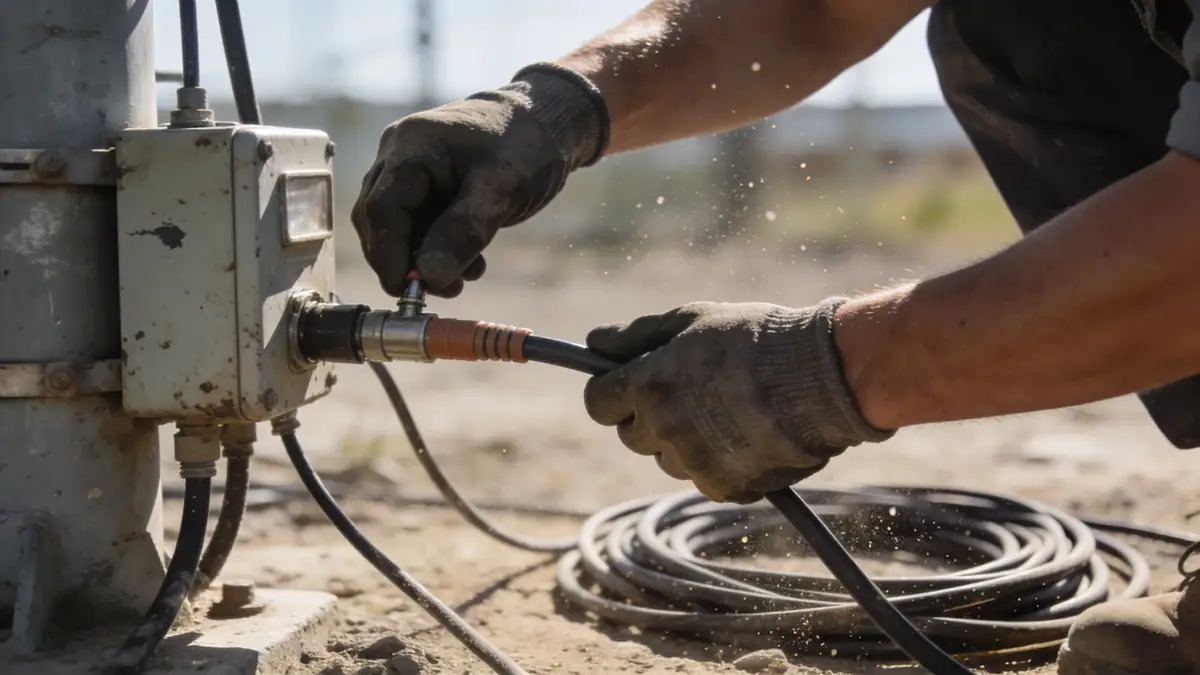
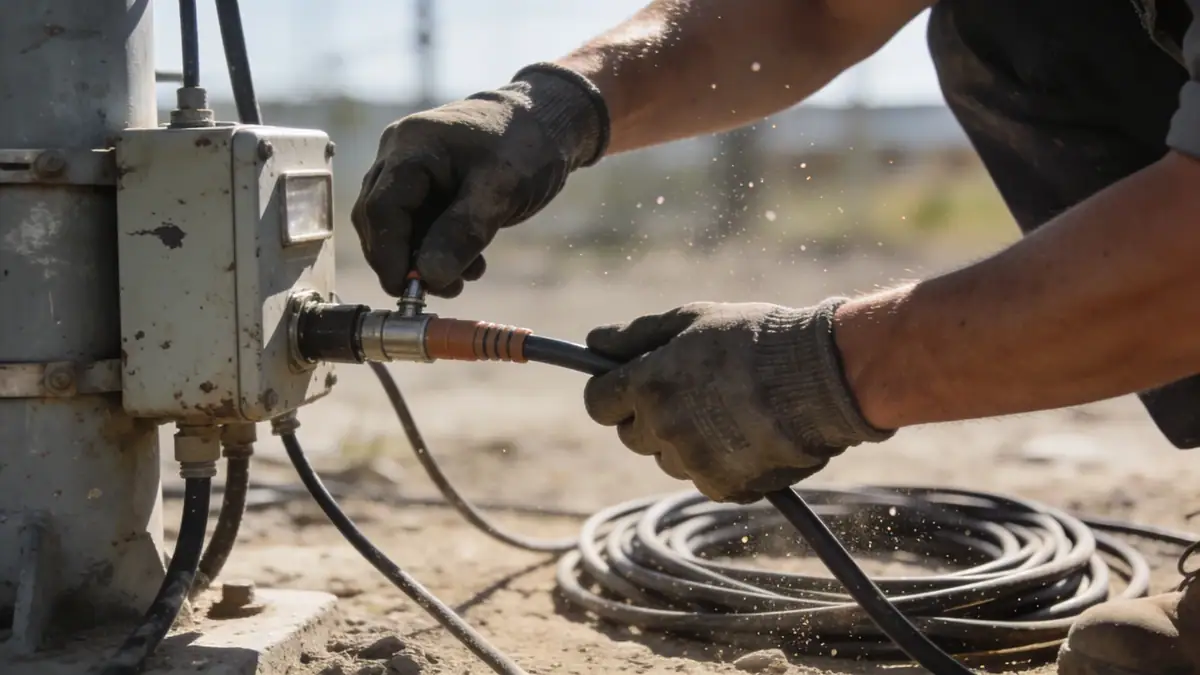
Our methodology for geotechnical engineering in Philadelphia begins with a comprehensive review of existing geological maps and historical data. We then conduct field investigations, including spt boring to assess soil stratification and collect disturbed and undisturbed samples. Laboratory testing, performed in our soil mechanics laboratory, determines index properties, strength, and consolidation characteristics. Groundwater monitoring and in-situ tests such as CPT and vane shear complement the program. All work adheres to ASTM standards, including ASTM D1586 for SPT. The data are synthesized into a geotechnical report with recommendations for foundation design, excavation support, and earthwork, tailored to Philadelphia's specific subsurface conditions.
Reference Technical Parameters
| Parameter | Reference Value |
|---|---|
| Predominant soil type | Glacial till (silty sand with gravel) and alluvial deposits (clay, silt, sand) |
| Maximum seismic acceleration (PGA) | 0.15g (ASCE 7-16, Site Class C/D) |
| Typical groundwater level | 3–6 m below ground surface, variable near rivers |
| Bedrock depth | 15–30 m (Wissahickon Formation schist/gneiss) |
| Typical N60 range | 10–40 blows/ft (sands); 5–20 blows/ft (clays) |
Local Considerations — Philadelphia
Philadelphia's geology is dominated by the Wissahickon Formation, a metamorphic bedrock overlain by Pleistocene glacial till and Holocene alluvium. In Center City, deep fill from historical development can exceed 5 m, requiring careful evaluation. Groundwater levels fluctuate with the Delaware and Schuylkill Rivers, posing excavation challenges. Seismic hazard is moderate (PGA 0.15g), per ASCE 7-16, with site class ranging from C to D. For slope stability assessments in the Wissahickon Valley, residual soils and steep slopes demand specialized analysis. Our firm tailors investigation plans to these conditions, ensuring robust foundation designs.
Request a Quote
Our team reviews your project and issues an initial report at no cost.
Or write us directly at contact@geotechnicalengineering.net
Services in Philadelphia
Locations covered in Philadelphia
Applicable Standards
- ASTM D1586 (Standard Penetration Test)
- ASCE 7-16 (Minimum Design Loads for Buildings and Other Structures)
- Philadelphia Building Code (IBC 2018 with local amendments)
- ASTM D2487 (Classification of Soils for Engineering Purposes)
Frequently Asked Questions
What are the typical soil types encountered in Philadelphia?
Philadelphia's soils include glacial till (silty sands with gravel) in northern and western areas, alluvial clays and sands along the Delaware and Schuylkill Rivers, and urban fill in developed districts. Bedrock is primarily the Wissahickon Formation (schist and gneiss) at depths of 15–30 m.
Is a geotechnical study required for residential construction in Philadelphia?
Yes, for most new residential buildings with foundations, the Philadelphia Building Code requires a geotechnical investigation to determine soil bearing capacity, groundwater conditions, and seismic site class. This ensures safe and economical foundation design.
How does seismic hazard affect foundation design in Philadelphia?
Philadelphia has a moderate seismic hazard with a PGA of 0.15g. Per ASCE 7-16, site class (C or D) influences design spectra. Liquefaction potential is low but must be evaluated in loose, saturated sands near rivers. Foundations must accommodate lateral loads and potential differential settlement.