Methodology
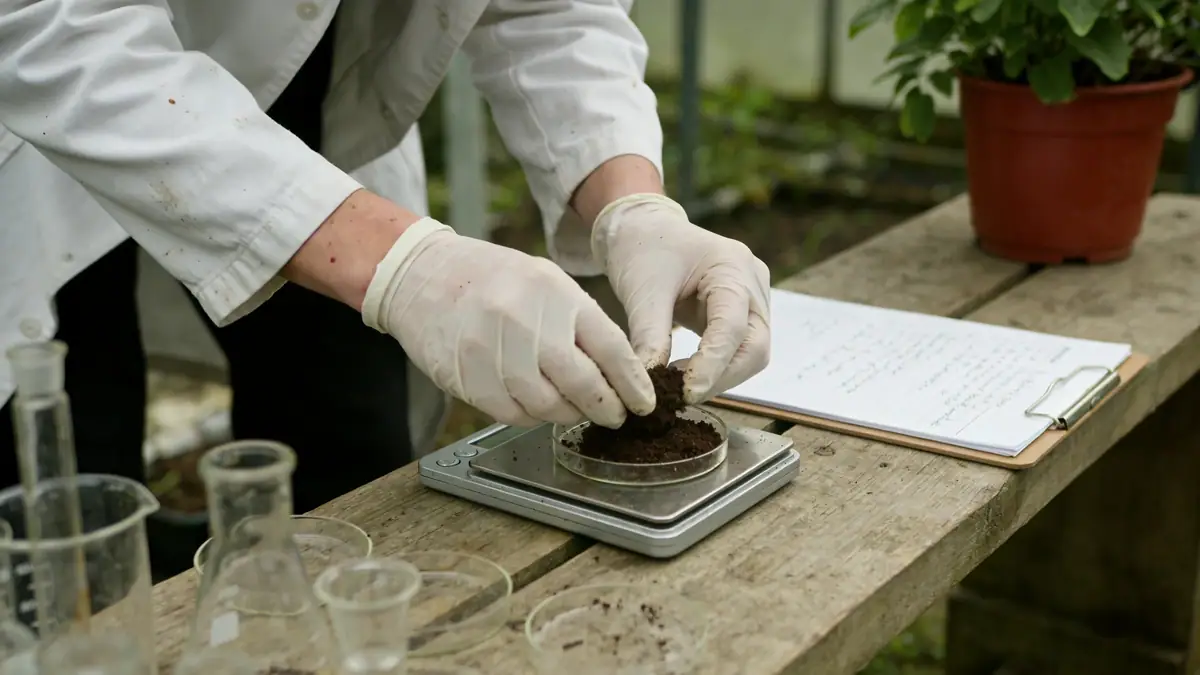
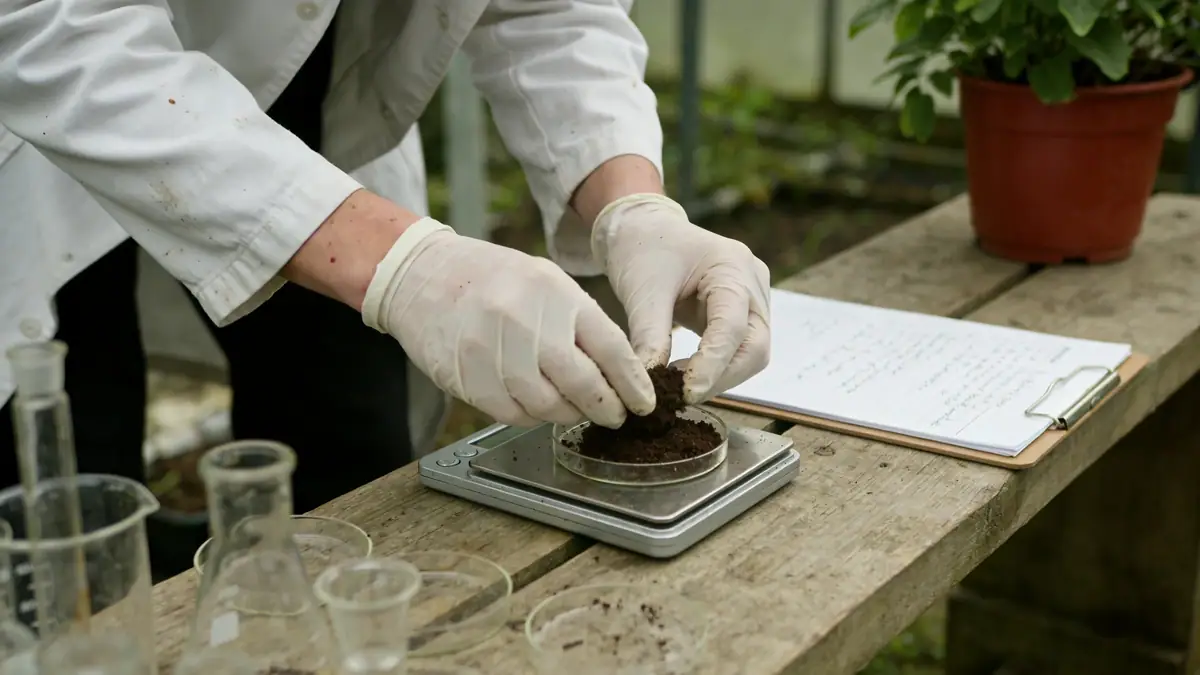
Our methodology for geotechnical engineering in Allentown begins with a comprehensive desk study of regional geology and site history. We then conduct a field investigation program tailored to the project, typically including spt boring in accordance with ASTM D1586 to obtain soil samples and measure N-values at 1.5-meter intervals. Laboratory testing on recovered samples classifies soils and determines engineering properties such as strength and compressibility. We integrate these data with local knowledge of carbonate dissolution features and groundwater fluctuations to develop a site-specific geotechnical model. This model informs foundation recommendations, slope stability assessments, and construction considerations. Our approach ensures that all designs are grounded in reliable data and comply with applicable building codes.
Reference Technical Parameters
| Parameter | Reference Value |
|---|---|
| Predominant soil type | Glacial till, alluvial silt, and residual clay over limestone/dolomite bedrock |
| Typical N60 range (blows/0.3m) | 4–15 in cohesive soils; 10–40 in granular fills |
| Maximum seismic acceleration (PGA) | 0.15–0.20 g (ASCE 7-16 Site Class C/D) |
| Typical groundwater depth | 3–8 m below ground surface; seasonal variation up to 2 m |
| Bedrock depth | 5–20 m; variable due to karst solution features |
Local Considerations — Allentown
Allentown sits within the Great Valley section of the Valley and Ridge province, characterized by folded and faulted carbonate rocks (limestone and dolomite) overlain by glacial till and alluvial deposits. Karst features—sinkholes, solution cavities, and irregular bedrock surfaces—pose significant geotechnical risks. Groundwater levels fluctuate seasonally, influenced by the Lehigh River and local drainage. Seismic design per ASCE 7 requires site-specific response spectra due to variable soil profiles. Our team has extensive experience navigating these conditions, from deep foundations for commercial structures in the downtown area to shallow foundations on engineered fill in suburban developments. For regional context, we coordinate with our geotechnical engineering services in Philadelphia to leverage broader expertise across Pennsylvania.
Request a Quote
Our team reviews your project and issues an initial report at no cost.
Or write us directly at contact@geotechnicalengineering.net
Services in Allentown
Applicable Standards
- ASTM D1586 (Standard Penetration Test)
- ASCE 7-16 (Minimum Design Loads and Associated Criteria for Buildings)
- Pennsylvania Uniform Construction Code (UCC)
- ASTM D2487 (Classification of Soils for Engineering Purposes)
- ASTM D422 (Particle-Size Analysis)
Frequently Asked Questions
What types of soil are commonly found in Allentown?
Allentown soils primarily consist of glacial till, alluvial silts, and residual clays derived from underlying limestone and dolomite bedrock. The presence of karst features such as sinkholes and cavities can create highly variable subsurface conditions, requiring careful geotechnical investigation for any construction project.
Is seismic analysis required for building in Allentown?
Yes. Allentown lies in a moderate seismic zone per ASCE 7-16, with mapped PGA values up to 0.20g. Site-specific seismic analysis is typically required for important structures to account for local soil amplification effects, especially where soft soils or variable bedrock depths are present.
Are geotechnical studies mandatory for new construction in Allentown?
The Pennsylvania UCC mandates a geotechnical investigation for most new buildings, particularly those with deep foundations, heavy loads, or sites in areas prone to karst. A professional geotechnical report is necessary to support foundation design and obtain building permits.