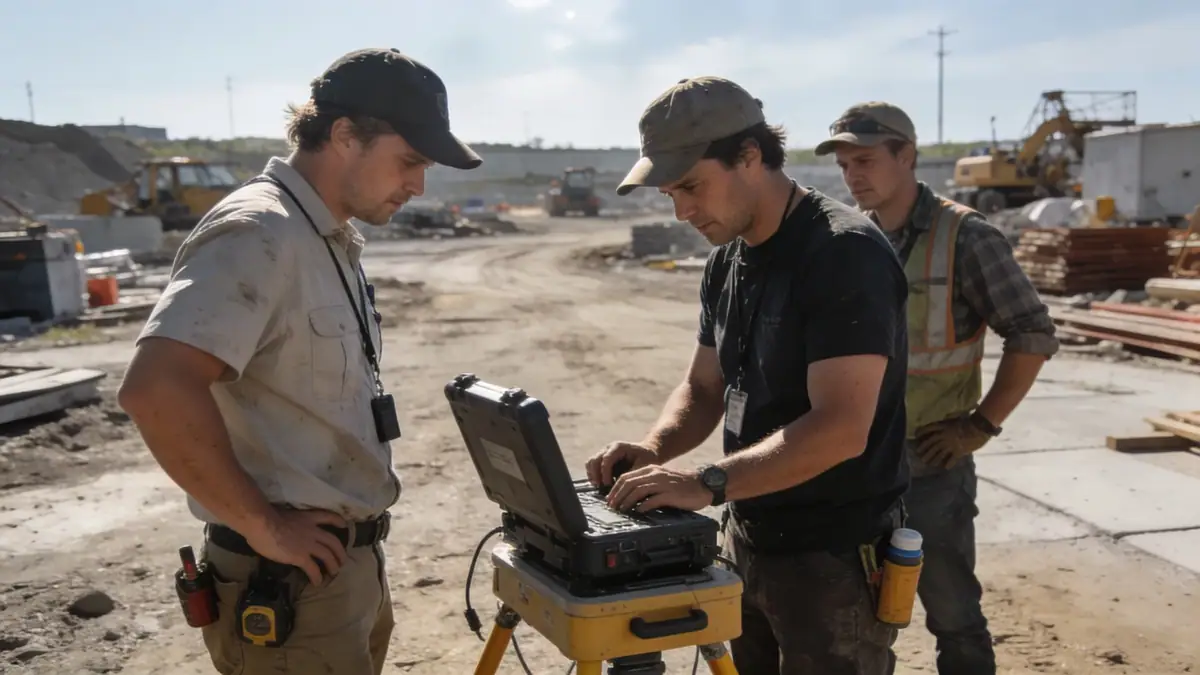
Methodology
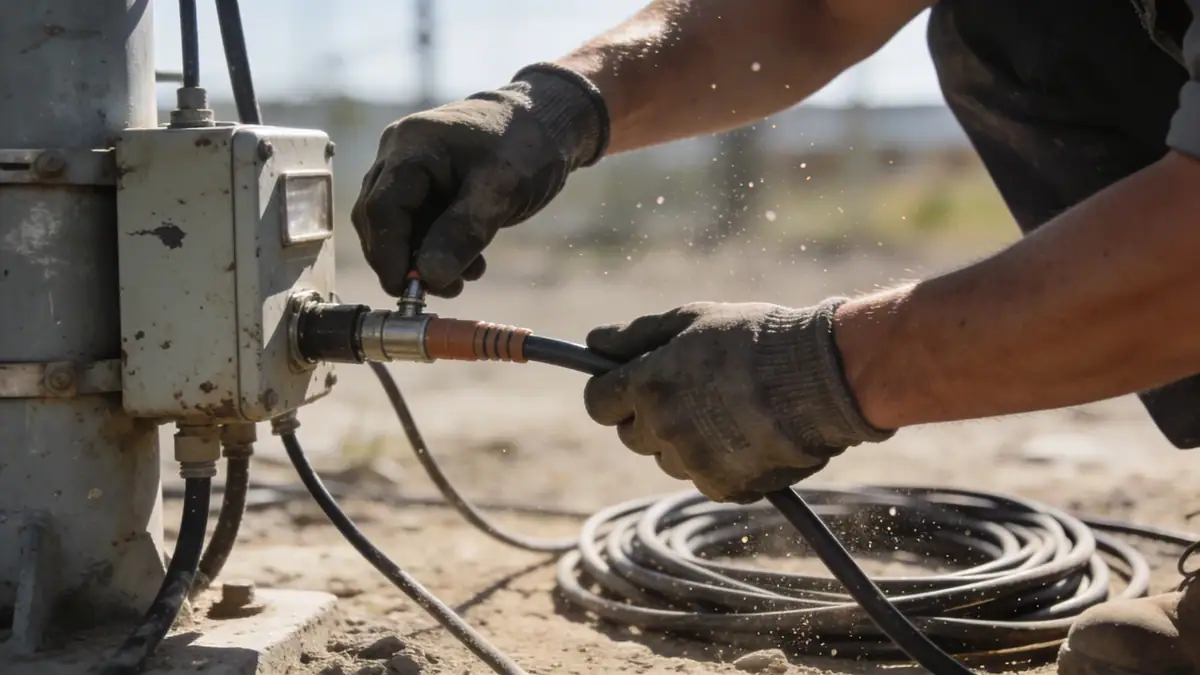
Our methodology for geotechnical engineering in Anaheim begins with a thorough review of existing geologic maps and nearby project data. We then conduct a field exploration program, typically including spt boring at 1.5 m intervals per ASTM D1586 to obtain soil samples and measure N60 values. In cohesive soils, we supplement with thin-walled tube sampling for laboratory testing. Our laboratory phase includes classification, strength, and consolidation tests, while seismic hazard analysis follows ASCE 7-22 to determine site class and design response spectra. We integrate results into a geotechnical report with recommendations tailored to Anaheim's subsurface conditions.
Reference Technical Parameters
| Parameter | Reference Value |
|---|---|
| Predominant soil type | Alluvial sands, silts, and clays over older alluvium |
| Maximum seismic acceleration (PGA) | 0.4g to 0.6g (ASCE 7, Site Class D) |
| Typical groundwater level | 3 to 10 m below grade, varies seasonally |
| Bedrock depth | > 30 m (deep alluvial basin) |
| Typical N60 range | 10–30 blows/ft for sands; 5–15 for clays |
Local Considerations — Anaheim
Anaheim's geology is dominated by Quaternary alluvium from the Santa Ana River, with interbedded sands, silts, and clays. Groundwater is typically shallow (3–10 m), requiring dewatering or foundation drainage for deep excavations. Seismic site class is generally D (stiff soil), with potential for liquefaction in loose saturated sands near the river. The northern hills (Anaheim Hills) feature older, more competent sediments and shallower bedrock. Our team has extensive experience across these settings, from the resort district to industrial zones. For broader context, see our work in geotechnical engineering en Los Angeles.
Request a Quote
Our team reviews your project and issues an initial report at no cost.
Or write us directly at contact@geotechnicalengineering.net
Services in Anaheim
Applicable Standards
- ASTM D1586 (Standard Test Method for SPT)
- ASCE 7-22 (Minimum Design Loads for Buildings)
- California Building Code (CBC 2022)
- Caltrans Geotechnical Manual
- OSHA 29 CFR 1926 (Excavation Safety)
Frequently Asked Questions
What soil types are typical for geotechnical engineering in Anaheim?
Anaheim's subsurface generally consists of Quaternary alluvial deposits: sands, silts, and clays from the Santa Ana River. Depth and density vary, with older alluvium in the hills. Our investigations characterize these layers to assess bearing capacity, settlement, and seismic hazards.
Is a geotechnical study mandatory for construction in Anaheim?
While not always legally required for all projects, most building permits in Anaheim necessitate a geotechnical report per CBC 2022, especially for structures in Seismic Design Categories D or E. Lenders and insurers also frequently require it for risk management.
How does seismic activity affect geotechnical engineering in Anaheim?
Anaheim lies in a seismically active region near the San Andreas and Whittier faults. Our analyses follow ASCE 7 to determine site class and design ground motions. Liquefaction, lateral spreading, and fault rupture are evaluated, particularly for sites with shallow groundwater or loose sands.