Methodology
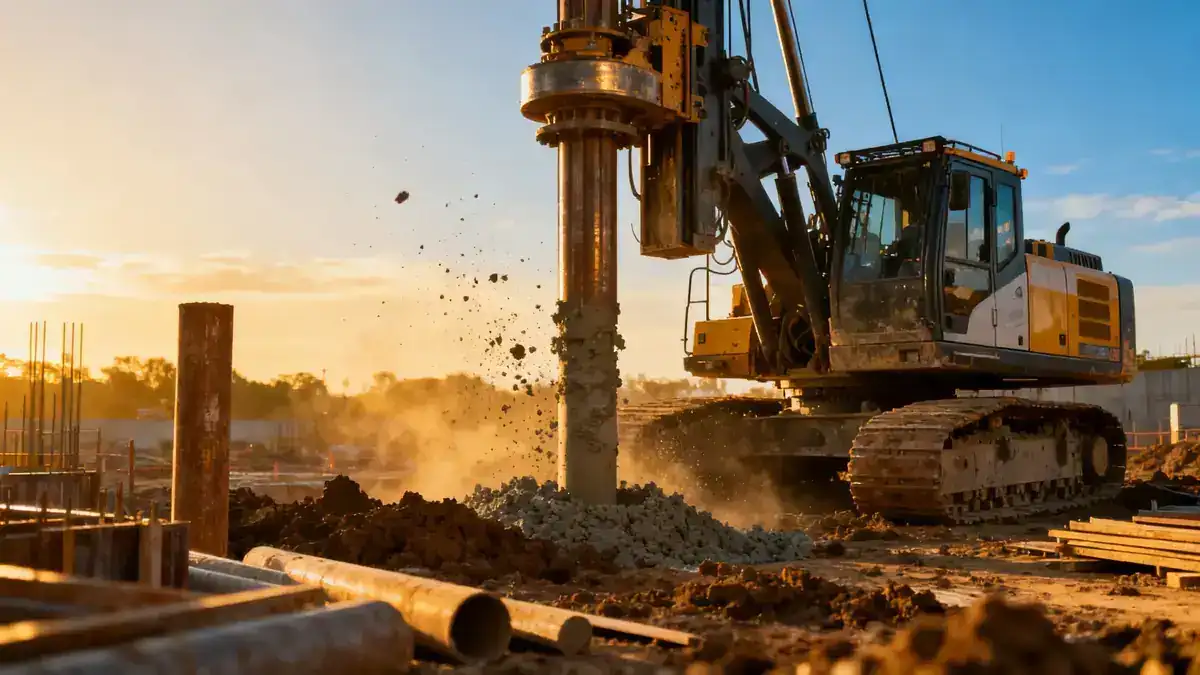
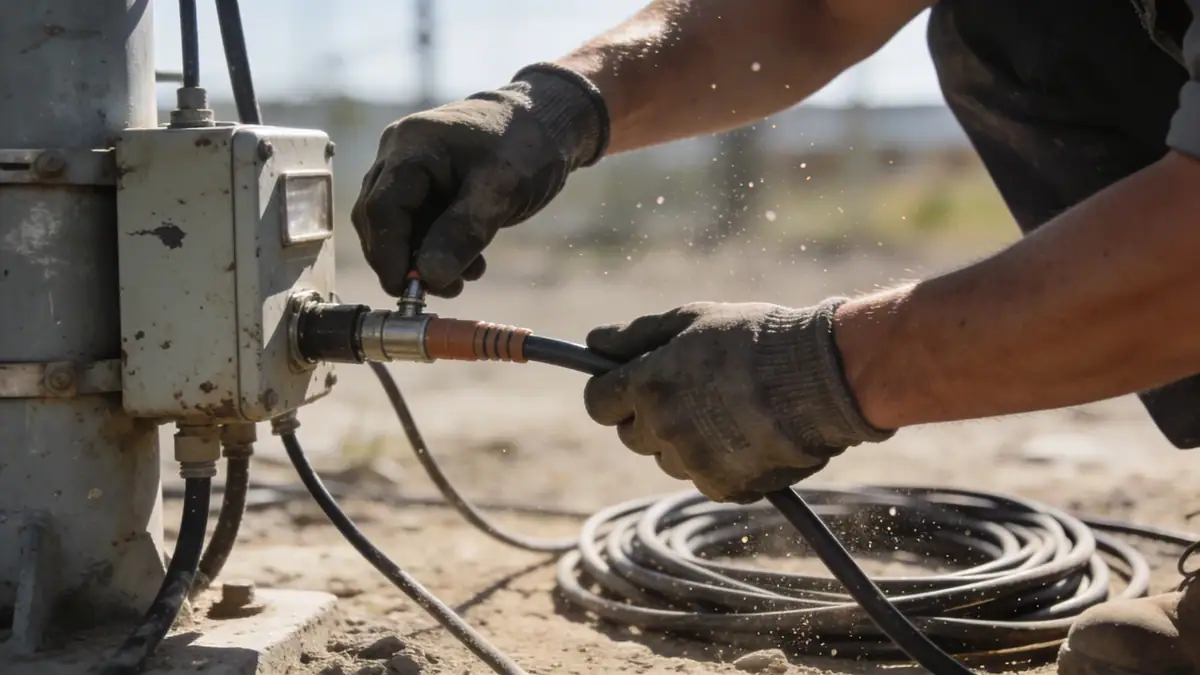
Our methodology for geotechnical engineering in Anchorage integrates field investigation, laboratory testing, and numerical analysis. We perform spt boring using ASTM D1586 to retrieve soil samples and measure resistance, with typical depths of 15-30 meters for commercial projects. Cone penetration tests (CPT) provide continuous stratigraphic profiles. Laboratory tests classify soils, assess strength, and evaluate frost susceptibility. We analyze slope stability and settlement using limit equilibrium and finite element methods. Seismic hazard analysis follows ASCE 7 to determine design ground motions. This comprehensive approach ensures cost-effective foundations tailored to Anchorage's conditions.
Reference Technical Parameters
| Parameter | Reference Value |
|---|---|
| Predominant soil type | Glacial till, alluvial sand/gravel, permafrost |
| Maximum seismic acceleration (PGA) | 0.3g–0.6g (site-specific per ASCE 7) |
| Typical groundwater level | 1–5 m below ground surface (seasonal) |
| Bedrock depth | 10–50 m (variable, often deep) |
| Typical N60 range | 10–50 blows/ft (varies with soil type) |
Local Considerations — Anchorage
Anchorage's geology is dominated by glacial deposits (till, outwash) and alluvial fans from the Chugach Mountains. Permafrost is discontinuous, affecting foundation design in northern and hillside areas. Seismic hazards are extreme: the 1964 M9.2 earthquake caused widespread liquefaction and landslides. Our team evaluates site-specific seismic site class per ASCE 7, which can range from C to F. Groundwater is shallow in lowlands, requiring dewatering for excavations. In hillside zones, slope stability is a concern. We also consider frost heave and thaw settlement. For broader context, our geotechnical engineering en Seattle team addresses similar seismic and glacial challenges. Additionally, we provide soil mechanics laboratory testing to characterize these complex soils.
Request a Quote
Our team reviews your project and issues an initial report at no cost.
Or write us directly at contact@geotechnicalengineering.net
Services in Anchorage
Applicable Standards
- ASCE 7 (Minimum Design Loads for Buildings and Other Structures)
- ASTM D1586 (Standard Test Method for Standard Penetration Test)
- IBC (International Building Code) with Alaska amendments
- Alaska Administrative Code (Title 13, Chapter 55)
- Anchorage Municipal Code (Title 23 – Buildings and Construction)
Frequently Asked Questions
What are the main soil types encountered in Anchorage?
Anchorage soils are predominantly glacial till, outwash sands and gravels, and alluvial deposits. Permafrost is present in some areas, especially on north-facing slopes and higher elevations. The subsurface conditions are highly variable, requiring detailed site-specific investigations.
How do seismic regulations affect foundation design in Anchorage?
Anchorage lies in a high seismic zone (ASCE 7 Seismic Design Category D or E). Foundations must be designed for peak ground accelerations up to 0.6g, with liquefaction and lateral spreading hazards addressed. The Alaska Building Code adopts the IBC with specific amendments, mandating geotechnical reports for most structures.
Are geotechnical studies mandatory for construction in Anchorage?
Yes, the Anchorage Municipal Code requires a geotechnical report for any building permit involving foundations, slopes, or seismic design. This ensures proper characterization of soil strength, groundwater, and seismic site class, reducing risk during earthquakes.