Methodology
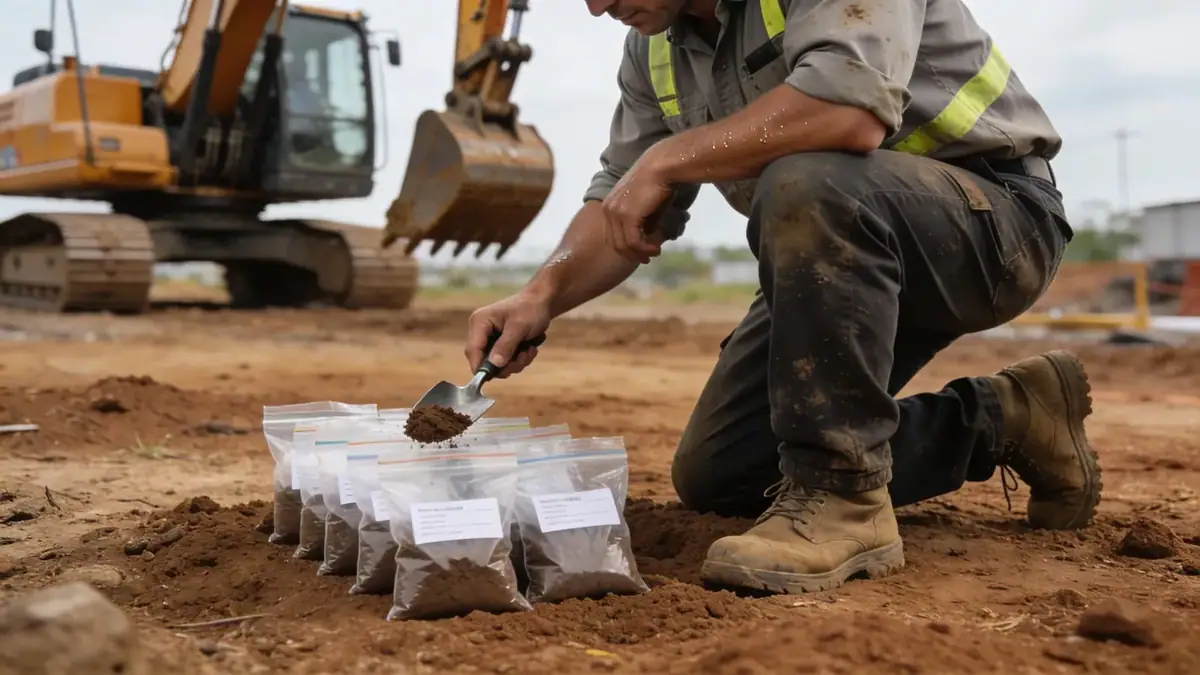
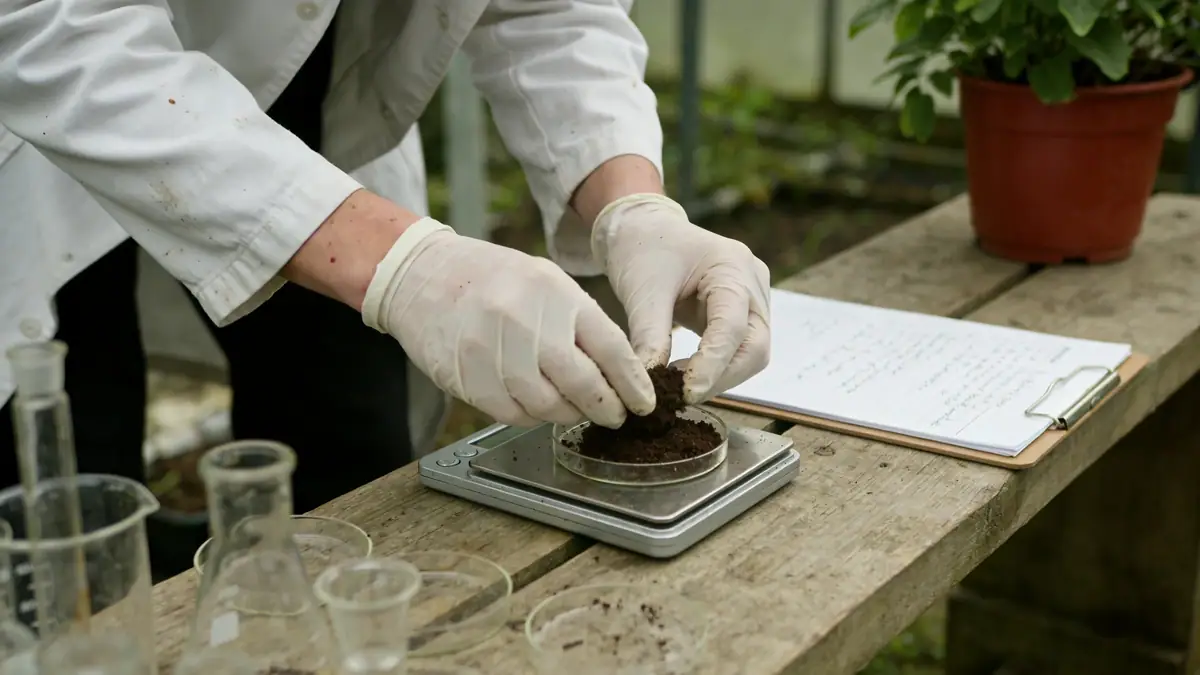
Our geotechnical methodology in Augusta, Georgia, combines standard penetration testing (SPT) per ASTM D1586 with advanced laboratory analyses. We evaluate subsurface stratigraphy, groundwater conditions, and engineering properties through a phased approach: initial reconnaissance, field exploration using SPT boring, and comprehensive laboratory testing. This framework supports foundation design, slope stability evaluations, and earthwork recommendations. We integrate site-specific data with regional seismic hazard assessments and local building codes to ensure robust, defensible geotechnical reports.
Reference Technical Parameters
| Parameter | Reference Value |
|---|---|
| Predominant soil type | Residual silty sands and clayey sands (Piedmont); alluvial silts and clays (Coastal Plain) |
| Maximum seismic acceleration (PGA) | 0.06–0.12 g (ASCE 7-16, Site Class C/D) |
| Typical groundwater level | 1.5–6 m below ground surface (shallow near Savannah River) |
| Bedrock depth | 0–3 m (downtown); >15 m (south Augusta) |
| Typical N60 range (SPT) | 4–30 blows/0.3 m (varies with depth and soil type) |
Local Considerations — Augusta Georgia
Augusta’s geology transitions from Piedmont residuum in the north to Coastal Plain sediments in the south. Downtown projects often encounter shallow bedrock (gneiss/schist), while riverfront sites require dewatering and soft soil treatment for foundations. Seismic design per ASCE 7-16 with Site Class C or D is typical. Our team has addressed these conditions extensively; for broader regional context, see our geotechnical engineering in Atlanta page. Additionally, our soil mechanics laboratory supports local projects with index and strength testing. Local experience ensures cost-effective, code-compliant solutions.
Request a Quote
Our team reviews your project and issues an initial report at no cost.
Or write us directly at contact@geotechnicalengineering.net
Services in Augusta Georgia
Applicable Standards
- ASTM D1586 (Standard Penetration Test)
- ASCE 7-16 (Minimum Design Loads for Buildings and Other Structures)
- IBC 2021 (International Building Code)
- Georgia State Minimum Standard Codes
- ASTM D2487 (Unified Soil Classification System)
Frequently Asked Questions
What are the typical soil conditions in Augusta, Georgia?
Augusta features residual soils from weathered crystalline rock (Piedmont) and alluvial deposits near the Savannah River. Piedmont soils are typically silty sands and clayey sands with variable stiffness, while alluvial areas have soft clays and silts with shallow groundwater. Site-specific exploration is essential due to high variability.
Is a geotechnical study required for building permits in Augusta?
Yes, the International Building Code (IBC) adopted by Augusta requires geotechnical investigations for most structures. A soils report must address bearing capacity, settlement, seismic site class, and groundwater conditions. Local amendments may impose additional requirements for floodplain or hillside development.
How does seismic hazard affect foundation design in Augusta?
Augusta is in a moderate seismic zone (ASCE 7-16 Site Class C/D). Peak ground acceleration (PGA) ranges from 0.06g to 0.12g. Foundations must be designed for liquefaction potential in loose sands and for differential settlement on soft soils. Our evaluations include site-specific response spectra and dynamic analysis when needed.