Methodology
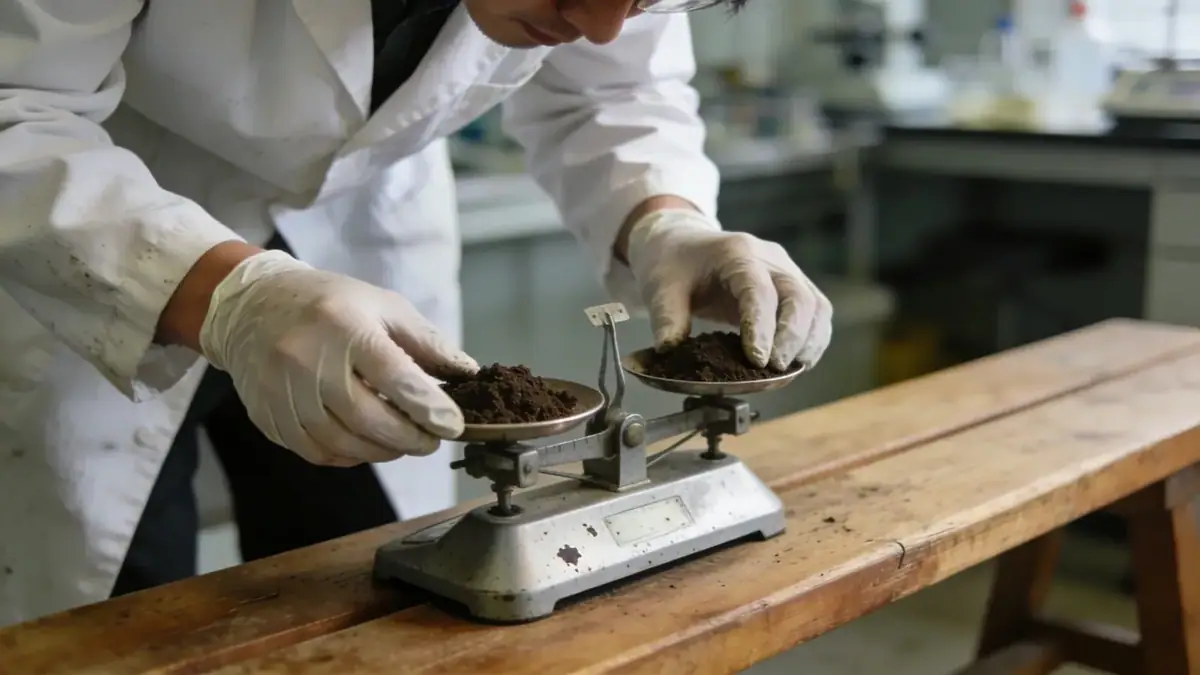
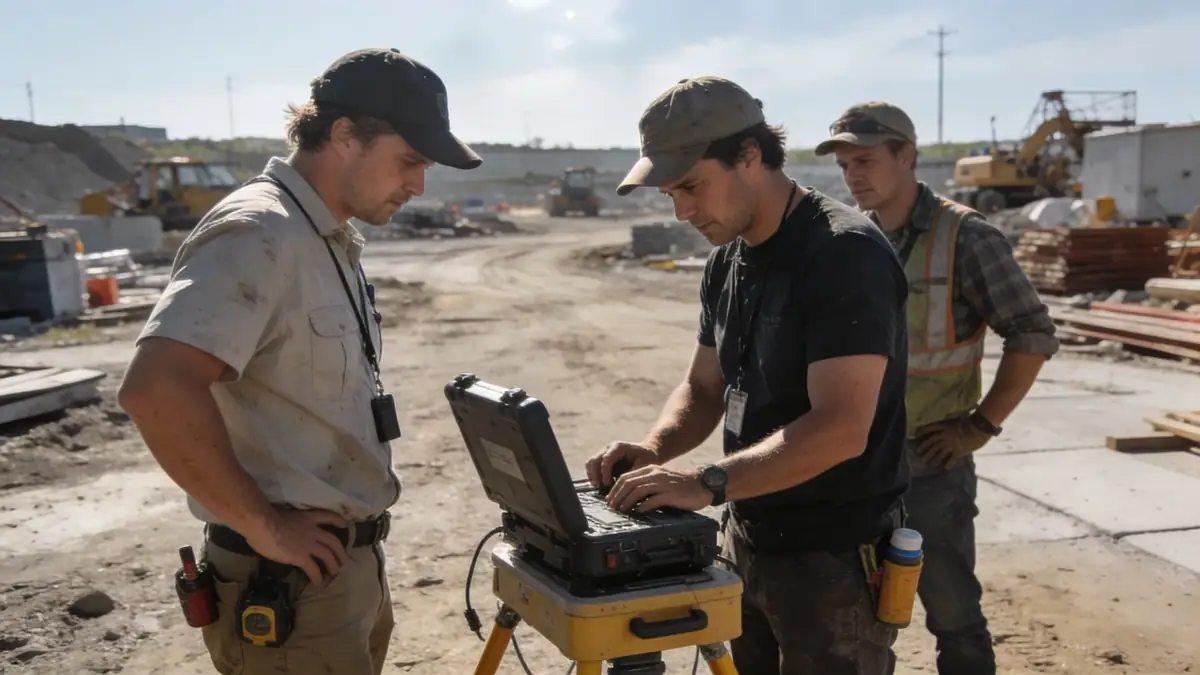
Our approach to geotechnical engineering in Aurora Illinois integrates field exploration, laboratory testing, and analytical modeling. We perform standard penetration testing (SPT) following ASTM D1586 at intervals of 1.0 to 1.5 meters to capture soil stratigraphy and strength. These data are supplemented by soil mechanics laboratory work, including grain size analysis and Atterberg limits. We also evaluate seismic site classification per ASCE 7-16 to determine design ground motions. All investigations are adapted to local conditions, from shallow foundations for residential projects to deep foundations for commercial structures. For detailed insights, see our spt boring methodology.
Reference Technical Parameters
| Parameter | Reference Value |
|---|---|
| Predominant soil type | Glacial till (silty clay / clayey silt) with interbedded sand and gravel lenses |
| Maximum seismic acceleration (PGA) | 0.15g to 0.20g (ASCE 7-16, Site Class D) |
| Typical groundwater level | 3 to 6 meters below ground surface (seasonal variation up to 1.5 m) |
| Bedrock depth | 30 to 60 meters (dolomite / limestone of Silurian age) |
| Typical N60 range (SPT) | 8 to 25 blows per 300 mm (medium stiff to very stiff till) |
Local Considerations — Aurora Illinois
Aurora's geology is dominated by Wisconsinan glacial till, with localized outwash sands and gravels along the Fox River. The water table fluctuates seasonally, often within 3–6 m of the surface, requiring careful dewatering plans for excavations. Seismic site classification typically falls under Site Class D (stiff soil) per ASCE 7-16, with PGA values up to 0.20g. Our team has extensive experience with residential subdivisions requiring shallow foundations and deep foundations for mid-rise buildings in downtown Aurora. We also address slope stability along riverbanks and retaining wall design for highway projects. For laboratory testing, we rely on our soil mechanics laboratory to characterize the local soils accurately. Our hub office provides regional oversight from geotechnical engineering en Chicago.
Request a Quote
Our team reviews your project and issues an initial report at no cost.
Or write us directly at contact@geotechnicalengineering.net
Services in Aurora Illinois
Applicable Standards
- ASTM D1586 (Standard Penetration Test)
- ASCE 7-16 (Minimum Design Loads and Associated Criteria for Buildings and Other Structures)
- IBC 2021 (International Building Code) – adopted by Illinois
- Illinois Department of Transportation (IDOT) Geotechnical Manual
Frequently Asked Questions
What soil types are most common in Aurora Illinois?
Aurora is underlain by glacial till, primarily silty clay or clayey silt, with interbedded sand and gravel lenses. These soils exhibit medium to high stiffness (N60 8–25) but can be sensitive to moisture changes. Proper classification via Atterberg limits and grain size analysis is essential for foundation design.
Are seismic considerations important for geotechnical engineering in Aurora?
Yes. While Aurora is not in a high-seismicity zone, the IBC and ASCE 7-16 require site-specific seismic site classification and ground motion parameters. Typical PGA values range from 0.15g to 0.20g for Site Class D, which can affect foundation design for taller or irregular structures.
When is a geotechnical study mandatory in Aurora Illinois?
The Illinois Building Code (IBC 2021) requires a geotechnical investigation for most commercial, industrial, and multi-family residential projects. Single-family homes may be exempt, but many lenders and local ordinances still recommend a study to mitigate risks from expansive soils, groundwater, or fill materials.