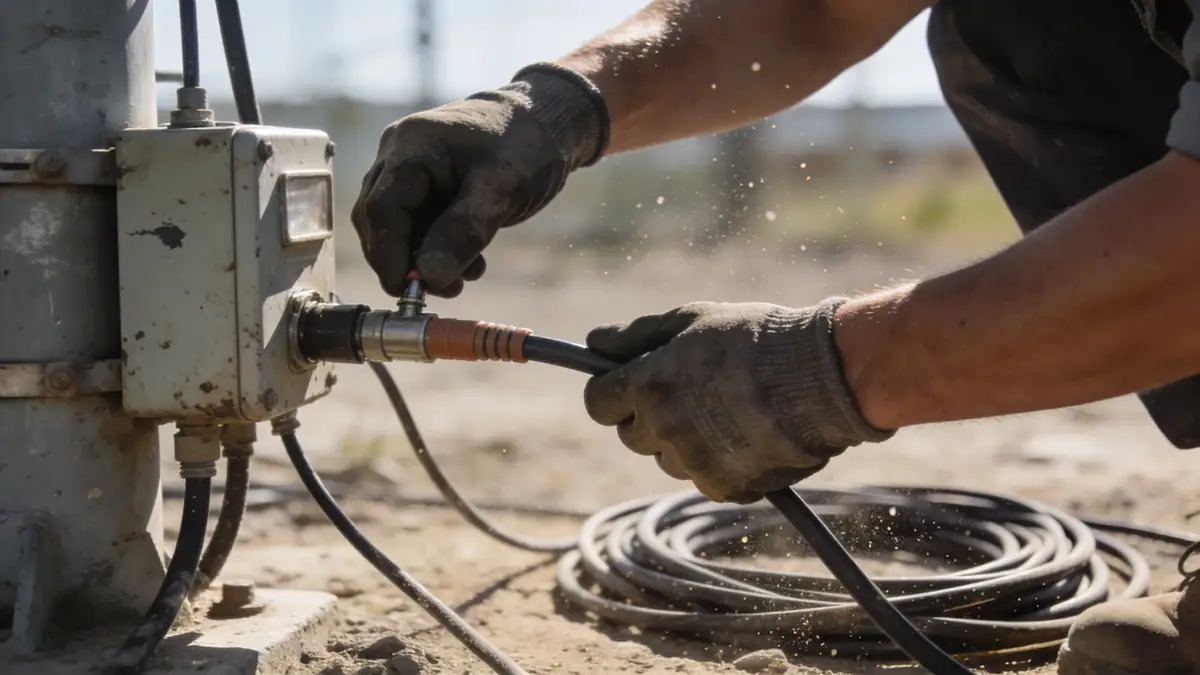
Methodology
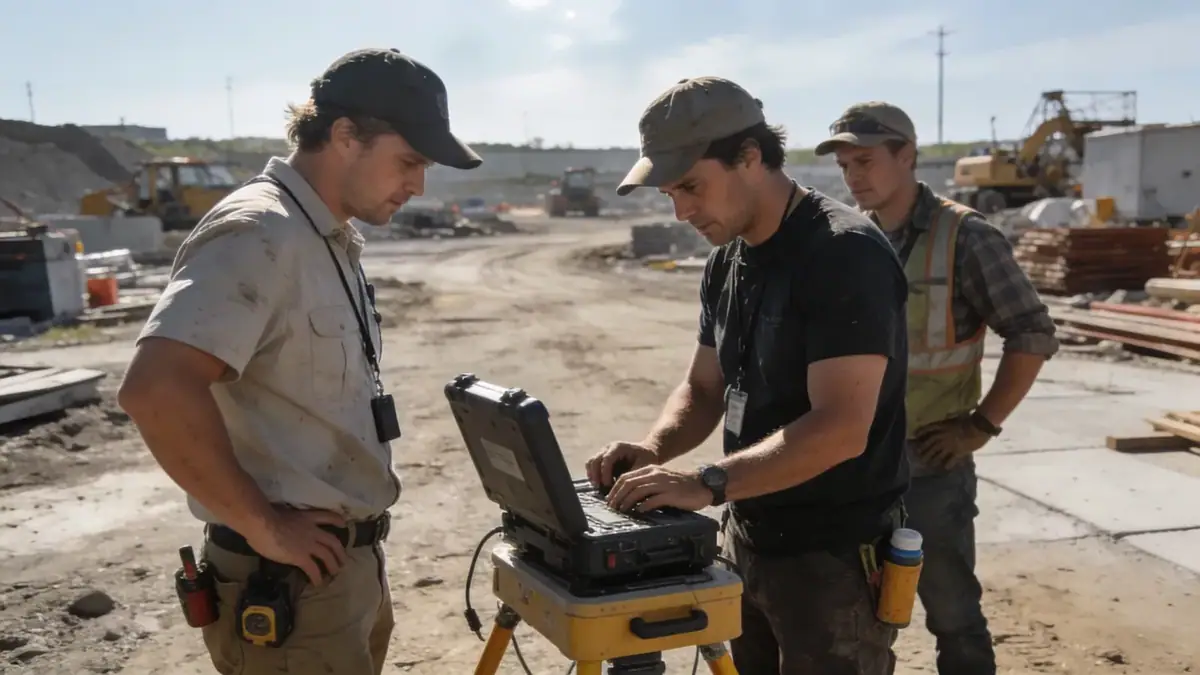
Our methodology for geotechnical engineering in Aurora begins with a thorough review of existing geologic maps and nearby project data. We then conduct field exploration programs, including spt boring to obtain soil samples and measure penetration resistance. Laboratory testing on retrieved samples follows ASTM standards to classify soils and determine engineering properties. We analyze bearing capacity, settlement, and seismic site response using established procedures, and our reports provide clear recommendations for foundation design, earthwork, and groundwater control. This systematic approach ensures reliable results for every project in Aurora.
Reference Technical Parameters
| Parameter | Reference Value |
|---|---|
| Predominant soil type | Glacial till (silty clay/clayey silt) with sand/gravel lenses |
| Maximum seismic acceleration (PGA) | 0.10–0.15 g (ASCE 7-16, Site Class C/D) |
| Typical groundwater level | 3–8 m below grade, varies seasonally |
| Bedrock depth | 15–30 m (dolomite/limestone) |
| Typical N60 range | 10–30 blows/ft in till; 5–15 blows/ft in alluvium |
Local Considerations — Aurora
Aurora’s geology is dominated by Wisconsinan glacial till, with localized alluvial deposits along the Fox River. The till is generally stiff to very stiff silty clay, but contains sand and gravel layers that can affect excavation and dewatering. Groundwater is often encountered at moderate depths, requiring careful consideration for basements and below-grade structures. Seismic design per ASCE 7-16 is required, with site class typically C or D. Our team has extensive experience in Aurora, including projects near the river where soft soils and high water tables are common. For broader regional context, see geotechnical engineering in Chicago. Additional insights can be found in our soil mechanics laboratory services.
Request a Quote
Our team reviews your project and issues an initial report at no cost.
Or write us directly at contact@geotechnicalengineering.net
Services in Aurora
Applicable Standards
- ASTM D1586 (Standard Penetration Test)
- ASCE 7-16 (Minimum Design Loads and Associated Criteria for Buildings and Other Structures)
- IBC 2021 (International Building Code)
- City of Aurora Municipal Code (Chapter 18 – Buildings and Construction)
Frequently Asked Questions
What types of soil are commonly found in Aurora?
The predominant soil in Aurora is glacial till, typically a stiff silty clay with occasional sand and gravel lenses. Along the Fox River, alluvial deposits of loose sands and soft clays are encountered. These variations affect foundation design and construction methods.
Are seismic considerations important for geotechnical engineering in Aurora?
Yes, Aurora is in a moderate seismic zone per ASCE 7-16. Peak ground accelerations of 0.10–0.15 g are expected, requiring site-specific response analysis for certain structures. Soil liquefaction potential should be evaluated in loose, saturated granular layers.
Is a geotechnical investigation mandatory for new construction in Aurora?
While not always mandatory for all projects, the Aurora Building Code strongly recommends a geotechnical report for commercial and multi-family structures. For residential projects, it is advisable when soil conditions are uncertain, especially near the river or in areas with known fill.