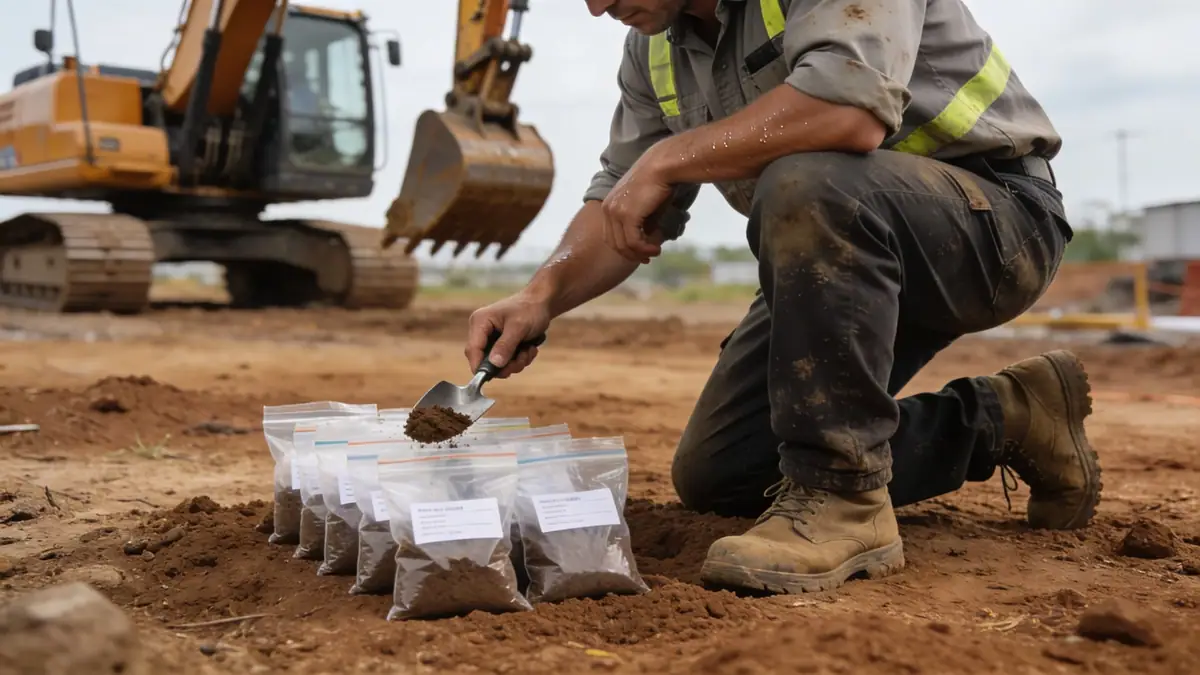
Methodology
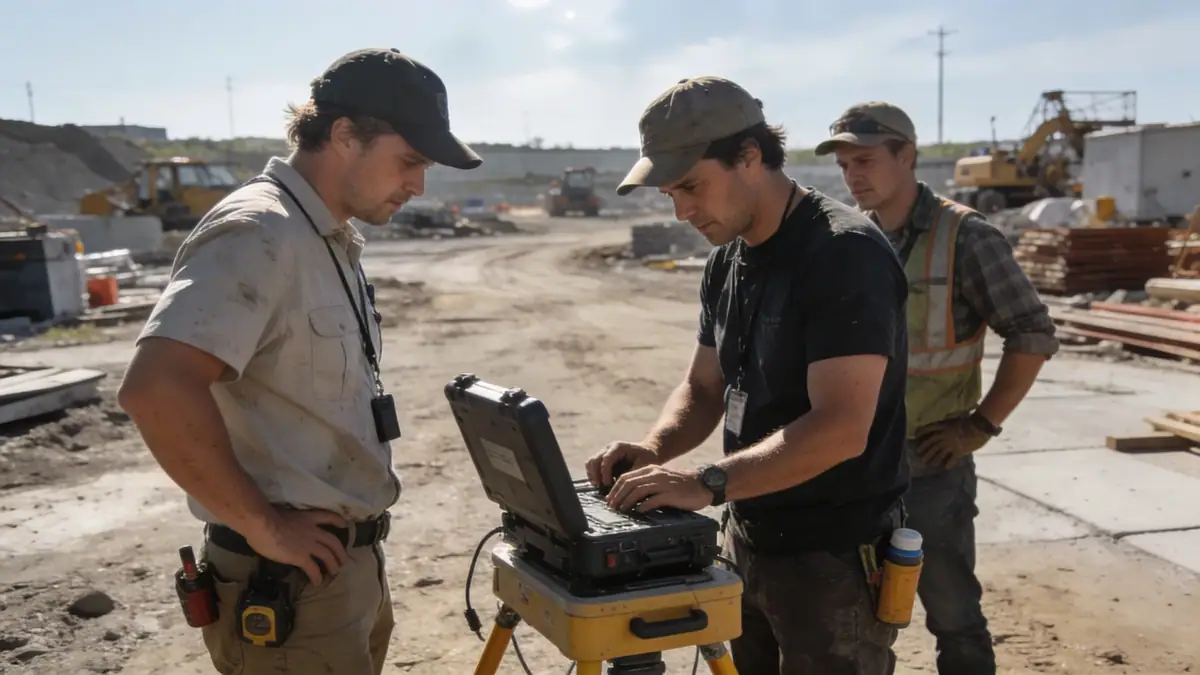
Our methodology for geotechnical engineering in Boise integrates thorough site investigation, including spt boring to characterize soil stratification and strength. We employ advanced laboratory testing, such as Atterberg limits and direct shear, to evaluate expansive clays and collapsible soils. Seismic hazard assessments follow ASCE 7 standards, incorporating site-specific PGA values for the Intermountain Seismic Belt. Our team also performs groundwater monitoring and analysis of corrosive soil conditions, ensuring that foundation recommendations address both static and dynamic loading scenarios.
Reference Technical Parameters
| Parameter | Reference Value |
|---|---|
| Predominant Soil Type | Silty sands (SM), low-plasticity clays (CL), and basalt bedrock |
| Maximum Seismic Acceleration (PGA) | 0.20g to 0.30g for Site Class D (ASCE 7) |
| Typical Groundwater Depth | 10–20 feet in valley, >50 feet in foothills |
| Bedrock Depth | 0–5 feet in foothills, 50–100 feet in valley (basalt/sedimentary) |
| Typical N60 Range | 10–30 in sands, 4–12 in clays (ASTM D1586) |
Local Considerations — Boise
Boise’s geology is shaped by the Boise River and basalt flows from the Snake River Plain. Key considerations include: (1) Expansive clay soils in the Bench area pose swelling risks to slabs and light foundations. (2) Shallow basalt bedrock in the North End requires rock excavation or deep foundations. (3) High seismic hazard due to the Intermountain Seismic Belt (PGA up to 0.30g per ASCE 7). (4) Collapsible soils in alluvial fans near the foothills. (5) For specialized analysis, our soil mechanics laboratory provides consolidation and swelling tests. Our team in Boise is supported by our main office for geotechnical engineering in Seattle.
Request a Quote
Our team reviews your project and issues an initial report at no cost.
Or write us directly at contact@geotechnicalengineering.net
Services in Boise
Applicable Standards
- ASCE 7-22 Minimum Design Loads and Associated Criteria for Buildings
- IBC 2021 International Building Code (adopted by Idaho)
- ASTM D1586 Standard Test Method for Standard Penetration Test
- ASTM D2487 Standard Practice for Classification of Soils for Engineering Purposes
Frequently Asked Questions
What are the typical soil conditions in Boise for foundation design?
Boise soils range from silty sands and clays in the valley to basalt bedrock in the foothills. Expansive clays and collapsible soils are common, requiring site-specific testing to determine bearing capacity and swelling potential.
Is a geotechnical study required for residential construction in Boise?
While not always mandatory for single-family homes, lenders and engineers often require a geotechnical report to assess soil stability, seismic risks, and foundation design. The City of Boise may require studies for hillside or high-risk areas.
How does seismic activity affect geotechnical engineering in Boise?
Boise lies in a moderate-to-high seismic zone (PGA 0.20–0.30g). Geotechnical engineers must evaluate liquefaction potential in sandy soils and site amplification effects, especially for critical structures, following ASCE 7 seismic design categories.