Methodology
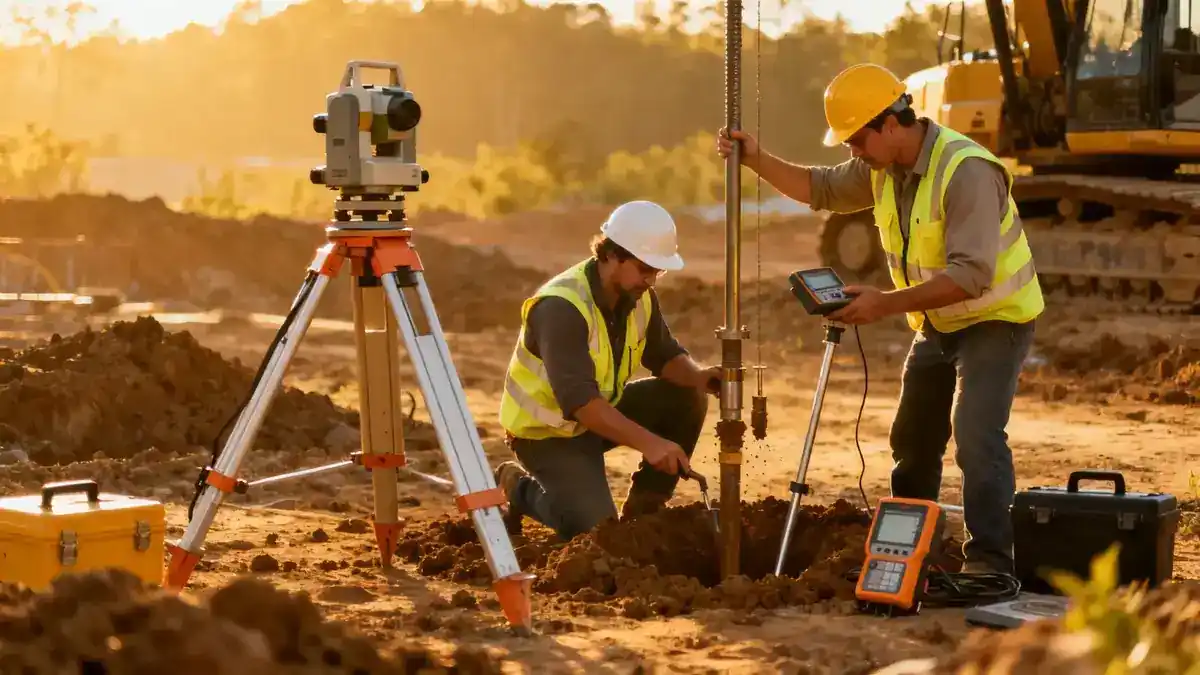
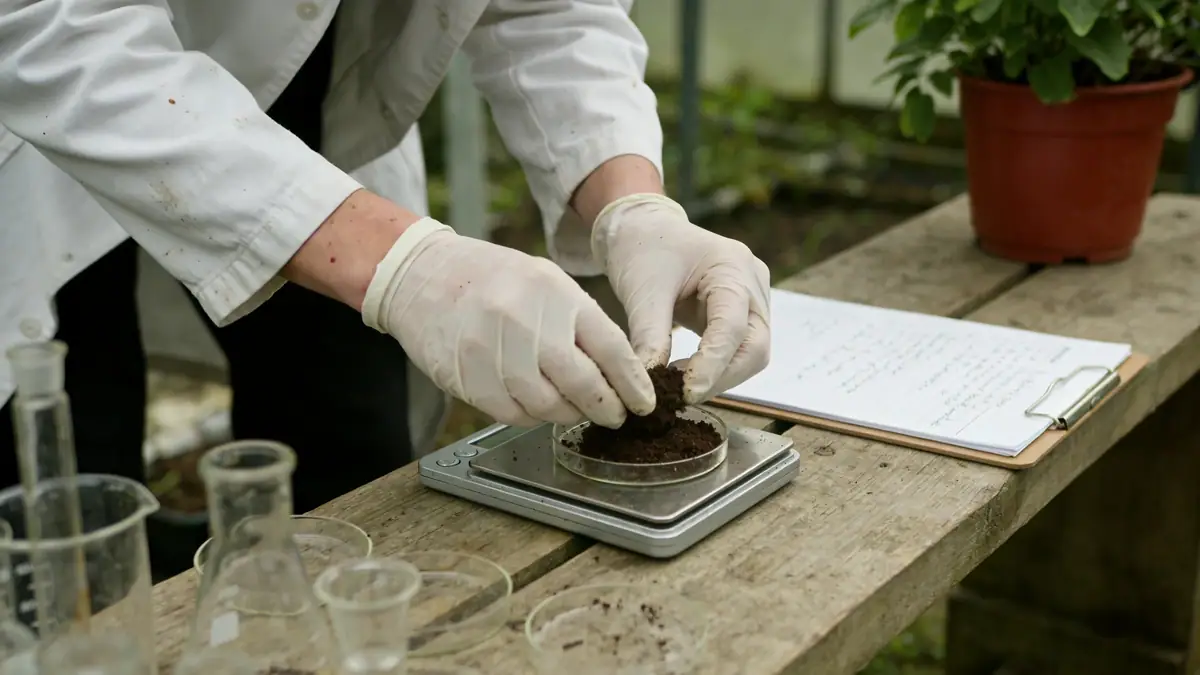
Our methodology for geotechnical engineering in Columbus Ohio integrates field exploration, laboratory testing, and analytical modeling. We perform standard penetration testing (SPT) per ASTM D1586 with sampling intervals of 1.5 m, advancing borings to depths of 15–30 m depending on structure loads. For projects in the downtown area, we combine SPT with cone penetration tests (CPT) to capture continuous soil profiles. Our soil mechanics laboratory classifies soils using ASTM D2487 and determines shear strength via direct shear tests (ASTM D3080). We also conduct consolidation testing (ASTM D2435) to predict settlement. This comprehensive approach supports safe and economical design for foundations, retaining walls, and slopes across Columbus Ohio. For detailed field procedures, see our spt boring page.
Reference Technical Parameters
| Parameter | Reference Value |
|---|---|
| Predominant soil type | Glacial till, alluvial sands and silts |
| Maximum seismic acceleration (PGA, 2% in 50 years) | 0.15g (ASCE 7-16) |
| Typical groundwater level | 3–6 m below grade (varies seasonally) |
| Bedrock depth | 20–40 m (Devonian shale and limestone) |
| Typical N60 range | 8–30 blows/300 mm (sands and tills) |
Local Considerations — Columbus Ohio
Columbus Ohio lies within the Central Lowlands physiographic province, underlain by glacial till sequences over Devonian bedrock. Seismic hazard is low to moderate (PGA 0.15g), but site amplification from loose alluvium in the Scioto River valley requires site-specific response analysis per ASCE 7. Groundwater is shallow (3–6 m) in low-lying areas, demanding dewatering plans for excavations. The city's expansion eastward into glacial moraines introduces variable till stiffness. Our team tailors investigations for each sector—downtown high-rises require deep borings and liquefaction assessment, while suburban projects focus on bearing capacity and settlement. For retaining wall design, we integrate local soil parameters with slope stability analyses to ensure long-term performance. Our main office coordinates with our geotechnical engineering en Chicago team for regional consistency.
Request a Quote
Our team reviews your project and issues an initial report at no cost.
Or write us directly at contact@geotechnicalengineering.net
Services in Columbus Ohio
Applicable Standards
- ASTM D1586 (Standard Penetration Test)
- ASCE 7-16 (Minimum Design Loads for Buildings)
- ASTM D2487 (Unified Soil Classification System)
- ASTM D3080 (Direct Shear Test)
- ASTM D2435 (Consolidation Test)
- Ohio Building Code (OBC) Chapter 18
Frequently Asked Questions
What soil types are most common in Columbus Ohio?
Columbus Ohio is underlain by glacial tills (silty clays with sand and gravel) and alluvial deposits (loose sands and silts) along the Scioto River. The tills are typically stiff to hard, while alluvial soils are loose and may require deep foundations in the downtown area.
Is seismic design required for foundations in Columbus Ohio?
Yes, per ASCE 7-16, Columbus Ohio has a maximum considered earthquake PGA of 0.15g (Site Class D). Site-specific ground motion analysis may be needed for structures on soft soils due to amplification. Most projects follow the Ohio Building Code seismic provisions.
Are geotechnical studies mandatory for all construction projects in Columbus Ohio?
The Ohio Building Code requires a geotechnical investigation for most new structures, especially those with deep foundations, retaining walls, or slopes. For single-family homes on stable soils, a limited study may suffice, but commercial and multi-story projects always require a full geotechnical report.