Methodology
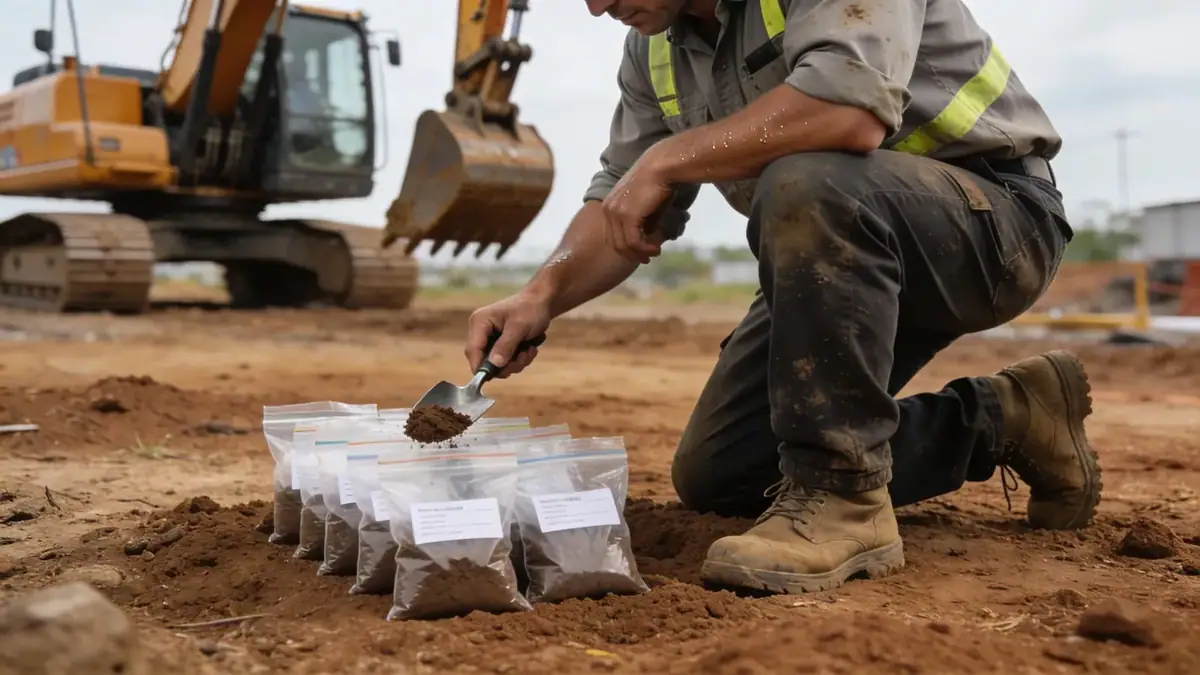
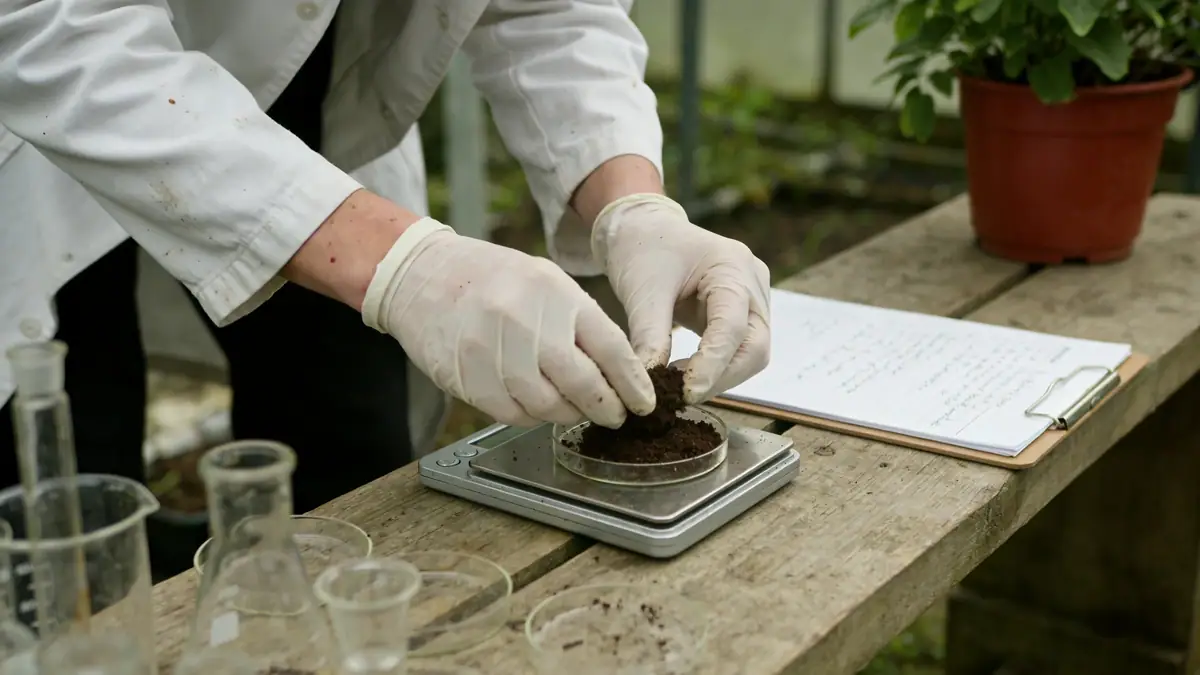
Our methodology for geotechnical engineering in El Paso integrates field exploration, laboratory testing, and analytical modeling. We begin with a detailed site reconnaissance to assess surface conditions and identify potential hazards. Subsurface exploration typically involves spt boring performed in accordance with ASTM D1586, with sampling intervals adjusted to capture the variability of the Rio Grande alluvium. Standard penetration tests provide N60 values for strength assessments, while undisturbed samples are obtained for advanced laboratory testing. This systematic approach allows us to characterize soil stratigraphy, groundwater conditions, and engineering properties critical for foundation design in El Paso.
Reference Technical Parameters
| Parameter | Reference Value |
|---|---|
| Predominant soil type | Silty sand and clay with gravel |
| Maximum seismic acceleration (PGA) | 0.24g (ASCE 7-16, Site Class D) |
| Typical groundwater level | 10–15 m below ground surface |
| Bedrock depth | Variable, 20–40 m |
| Typical N60 range | 10–30 blows/ft |
Local Considerations — El Paso
El Paso's geology is dominated by alluvial deposits from the Rio Grande, underlain by Cretaceous limestone and shale. The region experiences moderate seismicity due to the Rio Grande Rift, with design ground motions per ASCE 7. Groundwater is generally deep but can rise locally near irrigation canals. Foundation designs must consider expansive clay layers and potential for collapsible soils. Our team has addressed these conditions in numerous projects across central and east El Paso, leveraging our experience from geotechnical engineering in Phoenix to adapt similar arid-region solutions.
Request a Quote
Our team reviews your project and issues an initial report at no cost.
Or write us directly at contact@geotechnicalengineering.net
Services in El Paso
Applicable Standards
- ASTM D1586
- ASCE 7-16
- IBC 2021
- El Paso City Code Chapter 15
Frequently Asked Questions
What are the typical soil conditions encountered in El Paso?
El Paso soils primarily consist of silty sands and clays with gravel, deposited by the Rio Grande. These alluvial soils can be collapsible when wet, and expansive clays are common in certain areas. Bedrock, typically limestone or shale, is found at depths of 20–40 m.
Does El Paso require geotechnical investigations for new construction?
Yes, the El Paso Building Code requires a geotechnical report for most commercial and residential projects, especially those with deep foundations or on expansive soils. The report must address soil bearing capacity, settlement, and seismic site classification per ASCE 7.
How does seismic activity affect foundation design in El Paso?
El Paso is in Seismic Design Category C to D per the IBC, with a PGA of 0.24g. Design must account for potential liquefaction of loose sands and amplification of ground motion in soft alluvial deposits. Our analyses incorporate site-specific response spectra.