Methodology
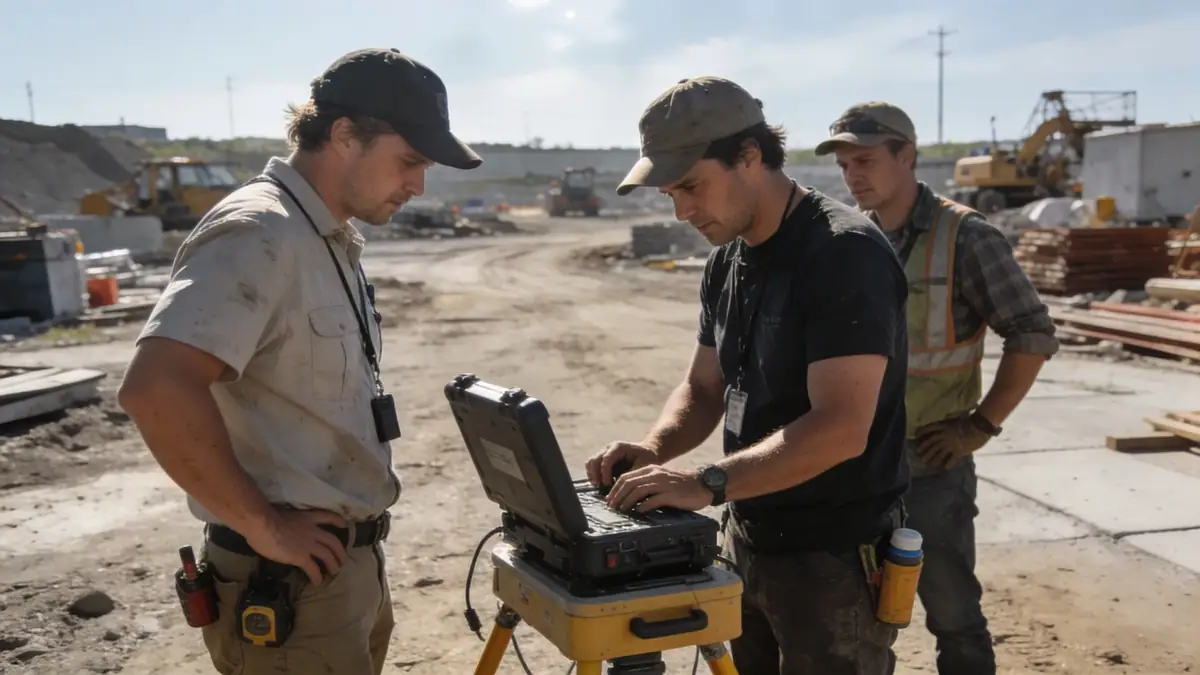
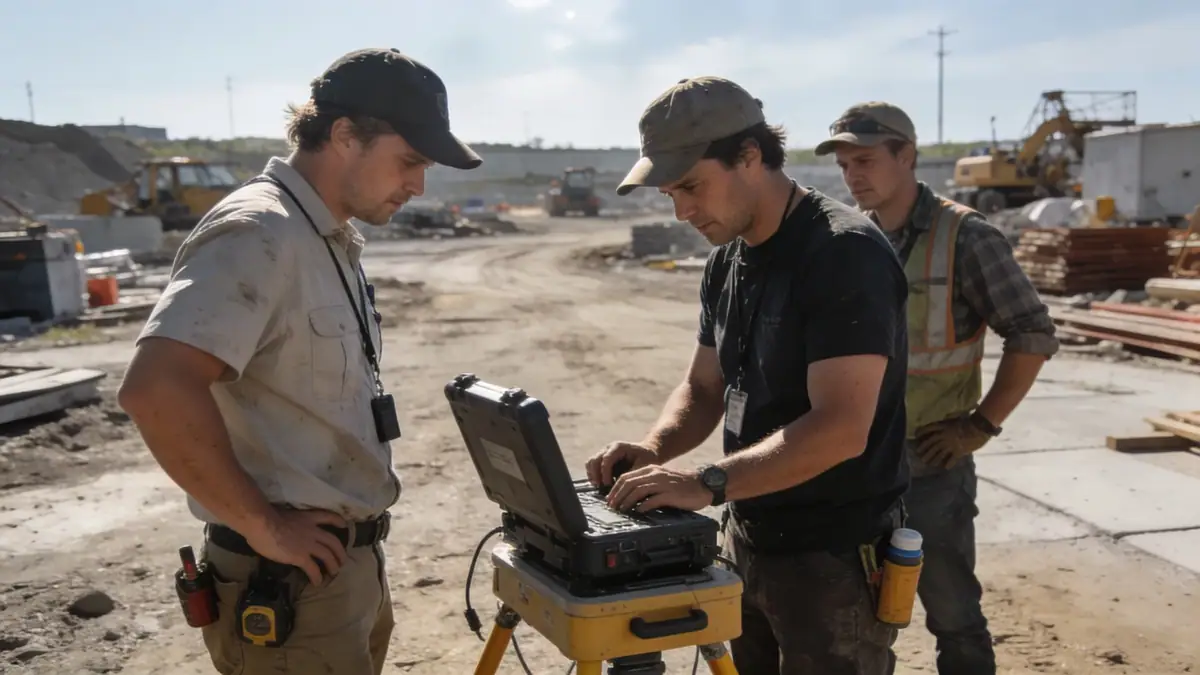
Our methodology in Elk Grove integrates field exploration, laboratory testing, and analytical modeling to characterize subsurface conditions. We perform standard penetration tests (SPT) per ASTM D1586 to obtain soil resistance profiles, typically advancing borings to depths of 8–15 meters for residential structures and up to 30 meters for commercial projects. Soil samples are analyzed in our accredited soil mechanics laboratory for index properties, strength, and consolidation characteristics. This data informs foundation design, slope stability assessments, and seismic hazard evaluations, ensuring our recommendations are grounded in site-specific evidence.
Reference Technical Parameters
| Parameter | Reference Value |
|---|---|
| Predominant soil type | Alluvial silty clay and sand |
| Maximum seismic acceleration (PGA) | 0.4g (CBC Seismic Zone 4) |
| Typical groundwater level | 3–6 meters below grade |
| Bedrock depth | 30–60 meters (variable) |
| Typical N60 range | 10–30 blows per 0.3m |
Local Considerations — Elk Grove
Elk Grove's subsurface consists of recent alluvial deposits from the Sacramento and American Rivers, with interbedded silts, clays, and sands. Groundwater levels fluctuate seasonally, often within 3–6 meters of the surface, requiring careful dewatering and foundation design. Seismic hazard is significant due to proximity to the Great Valley and San Andreas fault systems; the California Building Code mandates site-specific response analysis. Older neighborhoods may have undocumented fill, while newer developments often require deep foundations. Our team addresses these conditions through rigorous field investigations and collaboration with local agencies. For broader regional context, see our work in geotechnical engineering en Los Angeles.
Request a Quote
Our team reviews your project and issues an initial report at no cost.
Or write us directly at contact@geotechnicalengineering.net
Services in Elk Grove
Applicable Standards
- ASTM D1586 (Standard Penetration Test)
- California Building Code (CBC) 2022
- ASCE 7-16 (Minimum Design Loads for Buildings)
Frequently Asked Questions
What are the typical soil conditions in Elk Grove?
Elk Grove is underlain by alluvial deposits of silty clay, sand, and gravel from the Sacramento River system. Soils are often soft to medium stiff near the surface, with groundwater at 3–6 meters. Deeper strata may contain dense sands and gravels, but bedrock is typically 30–60 meters deep.
What seismic regulations apply in Elk Grove?
Elk Grove is in California Seismic Zone 4, requiring compliance with the California Building Code and ASCE 7. Site-specific seismic hazard analyses, including determination of peak ground acceleration (PGA up to 0.4g) and liquefaction potential, are often required for new construction.
Are geotechnical studies mandatory for construction in Elk Grove?
Yes, most building permits in Elk Grove require a geotechnical investigation. The city typically mandates soil borings, laboratory testing, and a foundation report to address settlement, bearing capacity, and seismic risks, especially for commercial and multi-family projects.