Methodology
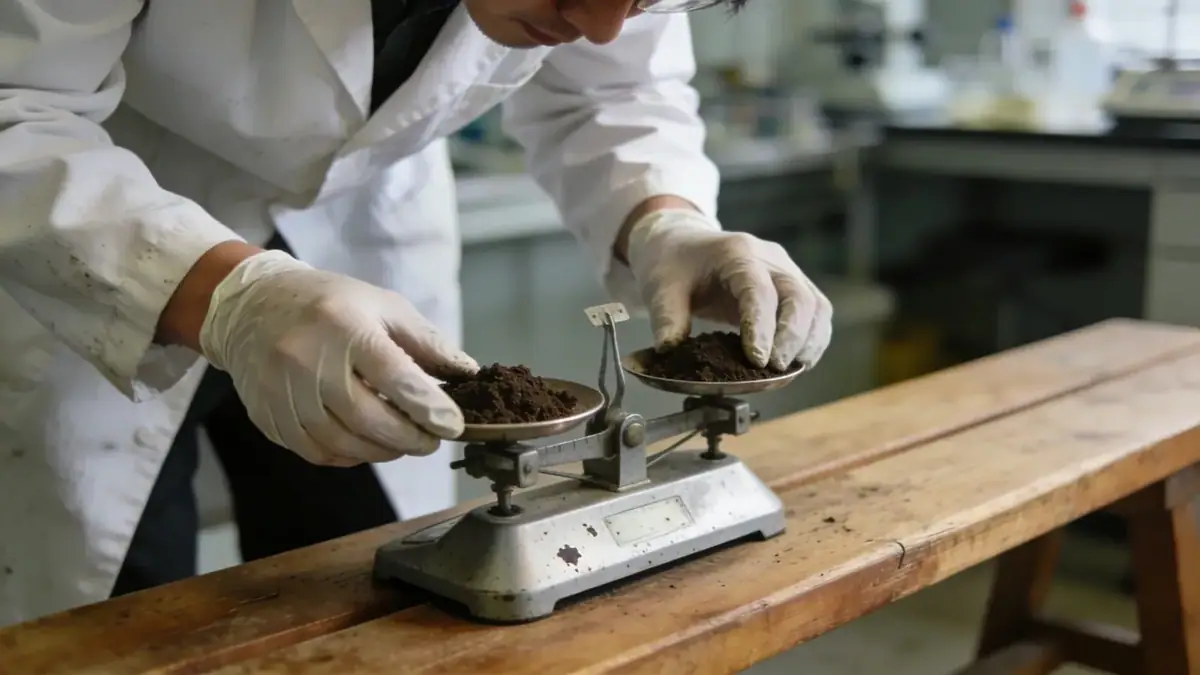
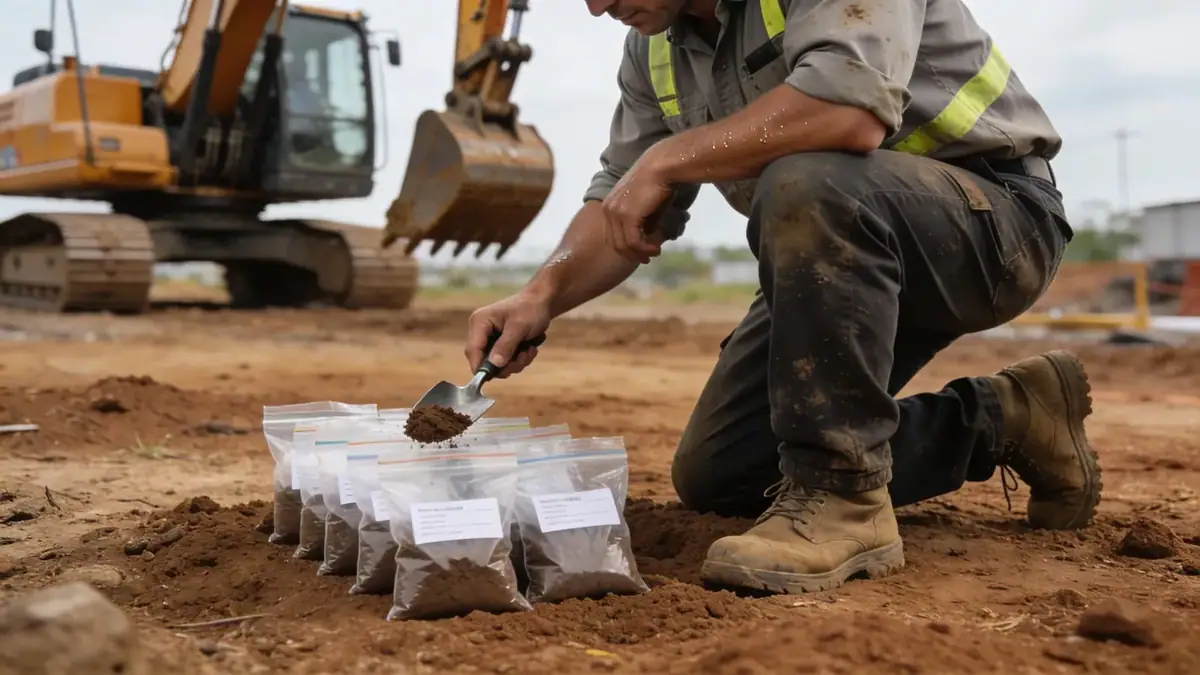
Our methodology for geotechnical engineering in Escondido integrates advanced field and laboratory techniques. We perform standard penetration tests (SPT) per ASTM D1586 to assess soil density and strength, complemented by Cone Penetration Tests (CPT) for continuous profiling. Soil samples are analyzed in our soil mechanics laboratory for index properties, consolidation, and shear strength. Seismic hazard evaluations consider fault proximity and site amplification using ASCE 7-16. Groundwater monitoring and slope stability analyses are conducted where necessary. This systematic approach provides reliable data for foundation design, retaining walls, and earthworks in Escondido's varied terrain.
Reference Technical Parameters
| Parameter | Reference Value |
|---|---|
| Predominant soil type | Alluvial sands and gravels with silty clay layers |
| Maximum seismic acceleration (PGA) | 0.5g (Site Class D, per ASCE 7-16) |
| Typical groundwater level | 5–15 m below ground surface (seasonal variation) |
| Bedrock depth | 10–30 m (granitic bedrock, variable) |
| Typical N60 range (SPT) | 10–40 blows/300 mm (variable with depth) |
Local Considerations — Escondido
Escondido's geology features Quaternary alluvial deposits overlying Cretaceous granitic bedrock. The city lies within the seismically active Peninsular Ranges, with the Elsinore Fault Zone posing significant earthquake hazards. Liquefaction potential exists in low-lying areas with shallow groundwater, while hillside sites require careful evaluation of slope stability and collapsible soils. Older neighborhoods may have undocumented fill. Our geotechnical assessments address these local conditions, referencing the California Geological Survey's seismic hazard zones. For regional context, our geotechnical engineering in Los Angeles team provides additional expertise.
Request a Quote
Our team reviews your project and issues an initial report at no cost.
Or write us directly at contact@geotechnicalengineering.net
Services in Escondido
Applicable Standards
- ASTM D1586 (Standard Penetration Test)
- ASCE 7-16 (Minimum Design Loads for Buildings)
- California Building Code (CBC 2022)
- California Geological Survey Special Publication 117
Frequently Asked Questions
What are the typical soil conditions in Escondido?
Soils in Escondido consist mainly of alluvial sands and gravels, with interbedded silty clays. Granitic bedrock is encountered at depths of 10–30 m. Soil density and strength vary, with N60 values typically ranging from 10 to 40 blows per 300 mm. Groundwater levels fluctuate seasonally between 5 and 15 m.
Is geotechnical engineering required for construction in Escondido?
Yes, the California Building Code mandates geotechnical investigations for most new construction, especially in seismic hazard zones. Escondido's proximity to active faults and variable soil conditions necessitates site-specific studies to ensure foundation safety and compliance with ASCE 7 standards.
How are seismic hazards addressed in Escondido?
Seismic hazards are evaluated through fault mapping, ground motion analysis per ASCE 7-16, and assessment of liquefaction and slope instability risks. Our team calculates peak ground acceleration (PGA) values up to 0.5g for Site Class D, informing foundation and structural design.