Methodology

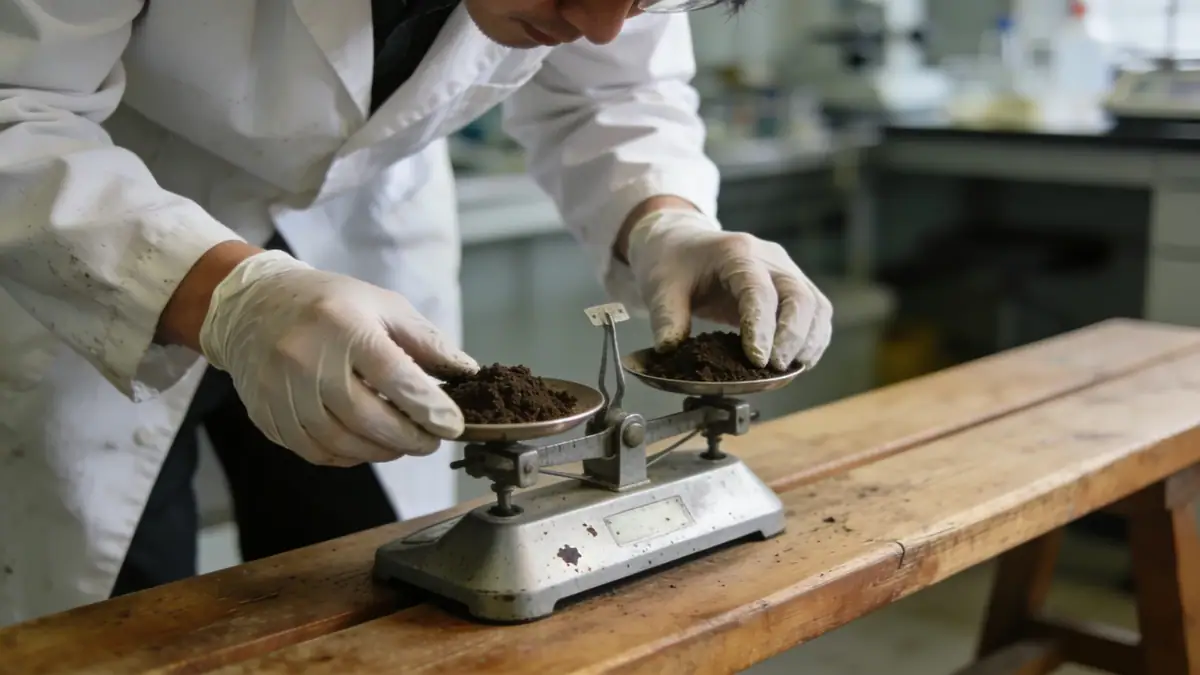
Our methodology for geotechnical engineering in Eugene Oregon integrates site-specific investigations with regional geologic knowledge. We employ standard penetration testing (SPT) per ASTM D1586 to characterize subsurface conditions, typically advancing borings to depths of 8–15 m for residential projects and up to 30 m for industrial structures. In situ testing is complemented by laboratory analyses, including grain size distribution and Atterberg limits, to classify soils and assess engineering properties. For more detailed information on our spt boring procedures, please refer to our dedicated service page. This approach ensures reliable foundation design and slope stability assessments tailored to Eugene's alluvial and colluvial soils.
Reference Technical Parameters
| Parameter | Reference Value |
|---|---|
| Predominant soil type | Silty sand and gravel with clay lenses (alluvial deposits) |
| Maximum seismic acceleration (PGA) | 0.3–0.5 g (based on ASCE 7-16 for Site Class D) |
| Typical groundwater level | 2–6 m below ground surface (seasonal variation) |
| Bedrock depth | 30–60 m (overlying sedimentary basin) |
| Typical N60 range (SPT) | 10–30 blows/ft (variable with depth and moisture) |
Local Considerations — Eugene Oregon
Eugene's geotechnical landscape is shaped by the Willamette River floodplain and adjacent foothills. Soils are predominantly alluvial silty sands and gravels, with localized clay lenses that pose consolidation concerns. The shallow groundwater table (2–6 m) necessitates dewatering considerations for excavations. Seismic hazard is dominated by the Cascadia subduction zone, with peak ground accelerations up to 0.5 g. Older neighborhoods near downtown often have uncontrolled fills, while newer developments in the hills require careful slope stability analysis. Our team integrates these factors into practical recommendations, referencing the Oregon Structural Specialty Code and ASCE 7. For projects requiring broader perspective, we coordinate with our geotechnical engineering en Seattle office.
Request a Quote
Our team reviews your project and issues an initial report at no cost.
Or write us directly at contact@geotechnicalengineering.net
Services in Eugene Oregon
Applicable Standards
- ASTM D1586 (Standard Penetration Test)
- ASCE 7-16 (Minimum Design Loads and Associated Criteria for Buildings and Other Structures)
- Oregon Structural Specialty Code (OSSC) 2019
- Eurocode 7 (for international projects)
- BS 5930 (Code of practice for site investigations)
Frequently Asked Questions
What are the typical soil conditions in Eugene, Oregon?
Eugene's soils are primarily alluvial deposits from the Willamette River, consisting of silty sands and gravels with interbedded clay layers. These soils can be loose near the surface and densify with depth, but the presence of clay lenses may require additional settlement analysis.
How does seismic activity affect geotechnical design in Eugene?
Eugene lies within the Cascadia subduction zone, subject to large earthquakes. Seismic design typically uses a PGA of 0.3–0.5 g per ASCE 7. Site-specific response spectra are recommended for critical structures, considering potential liquefaction in saturated sands and lateral spreading near rivers.
Are geotechnical studies mandatory for all construction in Eugene?
While not required for all minor residential additions, most new buildings and major renovations in Eugene must comply with the Oregon Structural Specialty Code, which often necessitates a geotechnical investigation. Local building officials may require reports for projects in areas with known soil or seismic hazards.