Methodology
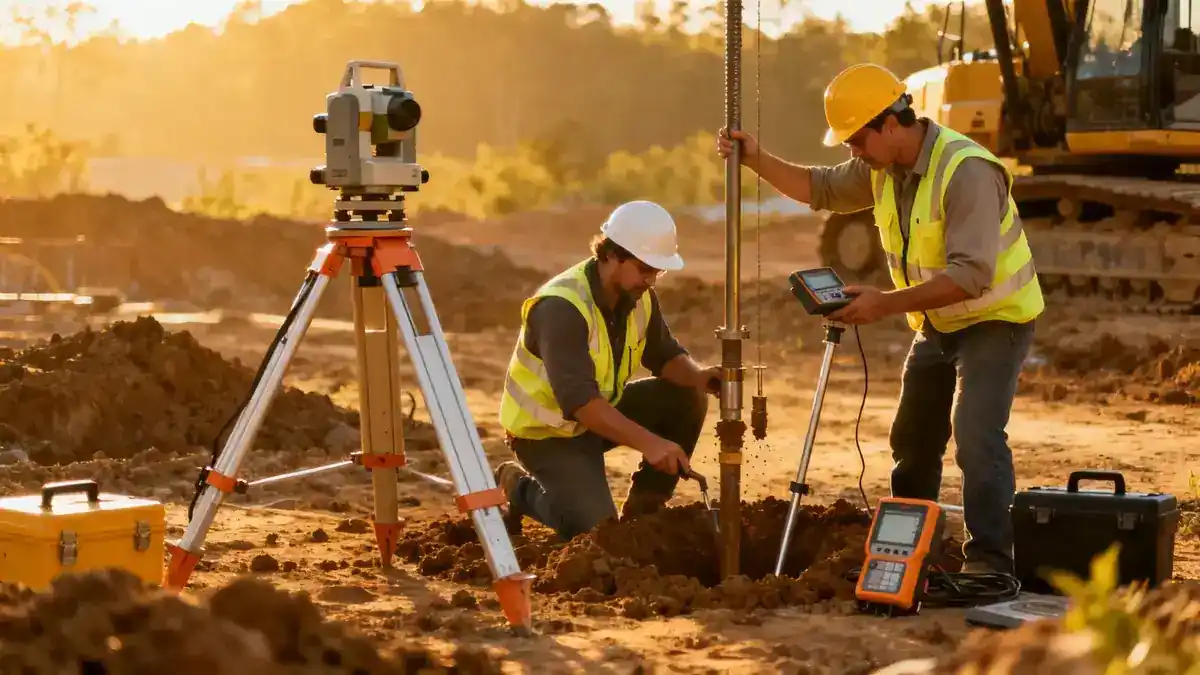
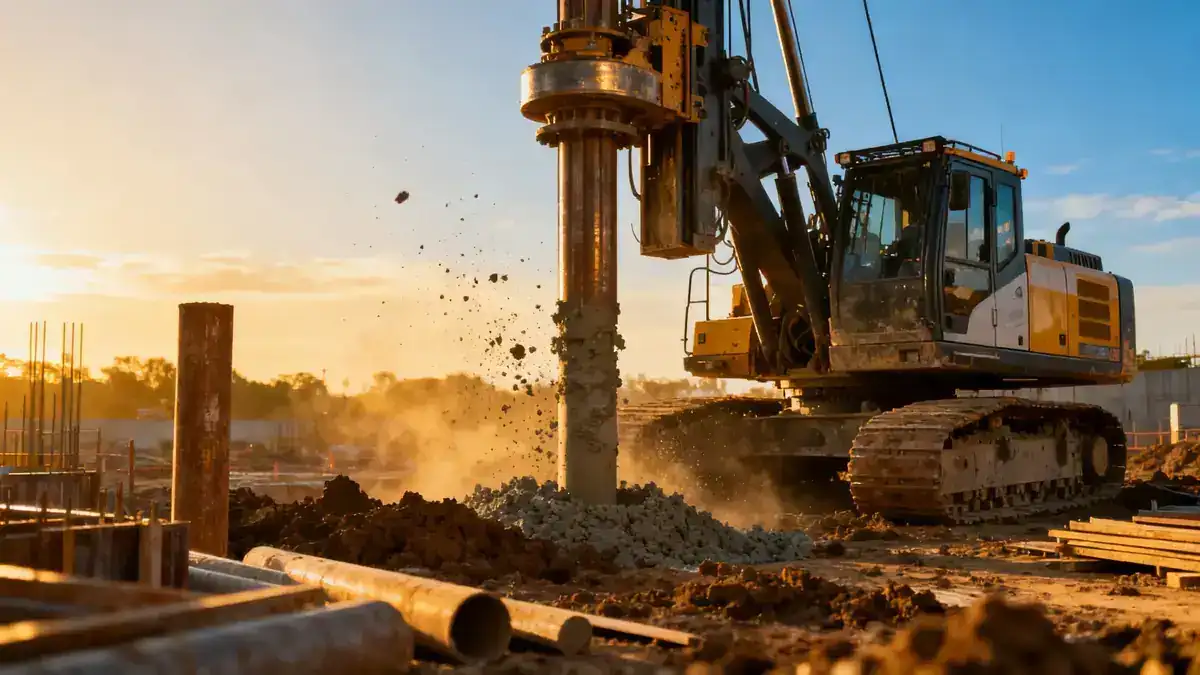
Our methodology for geotechnical engineering in Fontana begins with a comprehensive review of existing geological maps and seismic hazard data. We conduct field explorations using standard penetration tests (SPT) per ASTM D1586, with sampling intervals every 1.0 to 1.5 meters to depths of 15–30 meters depending on project scale. These borings are complemented by spt boring to recover disturbed and undisturbed samples for laboratory analysis. In the lab, we determine index properties, shear strength, and consolidation characteristics to develop site-specific soil profiles. Our approach integrates these findings with local building codes to design foundations that resist seismic loading and differential settlement.
Reference Technical Parameters
| Parameter | Reference Value |
|---|---|
| Predominant Soil Type | Alluvial sand, silt, and gravel with clay lenses |
| Maximum Seismic Acceleration (PGA) | 0.4g to 0.6g (ASCE 7-16) |
| Typical Groundwater Level | 10–30 m (variable seasonally) |
| Bedrock Depth | 30–60 m (San Bernardino Mountains complex) |
| Typical N60 Range (SPT) | 10–30 blows/ft (loose to medium dense) |
Local Considerations — Fontana
Fontana's geology is dominated by alluvial fan deposits from the San Bernardino Mountains, consisting of poorly graded sands and gravels with occasional clay layers. The water table is deep but can rise locally after wet winters. Seismic hazards are high due to the San Andreas and San Jacinto faults; liquefaction potential exists in younger alluvium near the Santa Ana River. Older terraces on the east side exhibit dense soils, while the west side shows softer Holocene deposits. Typical projects require analysis for shallow foundation settlement or deep foundations for large structures. For regional context, see our geotechnical engineering en Los Angeles hub. Additionally, our soil mechanics laboratory provides essential testing for local soil characterization.
Request a Quote
Our team reviews your project and issues an initial report at no cost.
Or write us directly at contact@geotechnicalengineering.net
Services in Fontana
Applicable Standards
- ASTM D1586 (Standard Penetration Test)
- ASCE 7-16 (Minimum Design Loads and Associated Criteria for Buildings)
- California Building Code (CBC 2022)
- City of Fontana Municipal Code – Grading and Erosion Control
Frequently Asked Questions
What soil types are commonly encountered in Fontana?
Fontana primarily features alluvial soils from the San Bernardino Mountains, including sands, silts, gravels, and occasional clay layers. These deposits vary in density and can be prone to settlement under load, requiring careful geotechnical evaluation.
How does seismic activity affect geotechnical engineering in Fontana?
Fontana lies in a high seismic region near the San Andreas Fault. Peak ground accelerations can reach 0.6g per ASCE 7. Geotechnical engineers must assess liquefaction potential in loose, saturated sands and design foundations for lateral spreading and settlement.
Are geotechnical studies mandatory for construction in Fontana?
Yes, the City of Fontana requires geotechnical reports for most new developments, especially those in seismic hazard zones or with expansive soils. These studies ensure compliance with the California Building Code and local grading ordinances.