Methodology
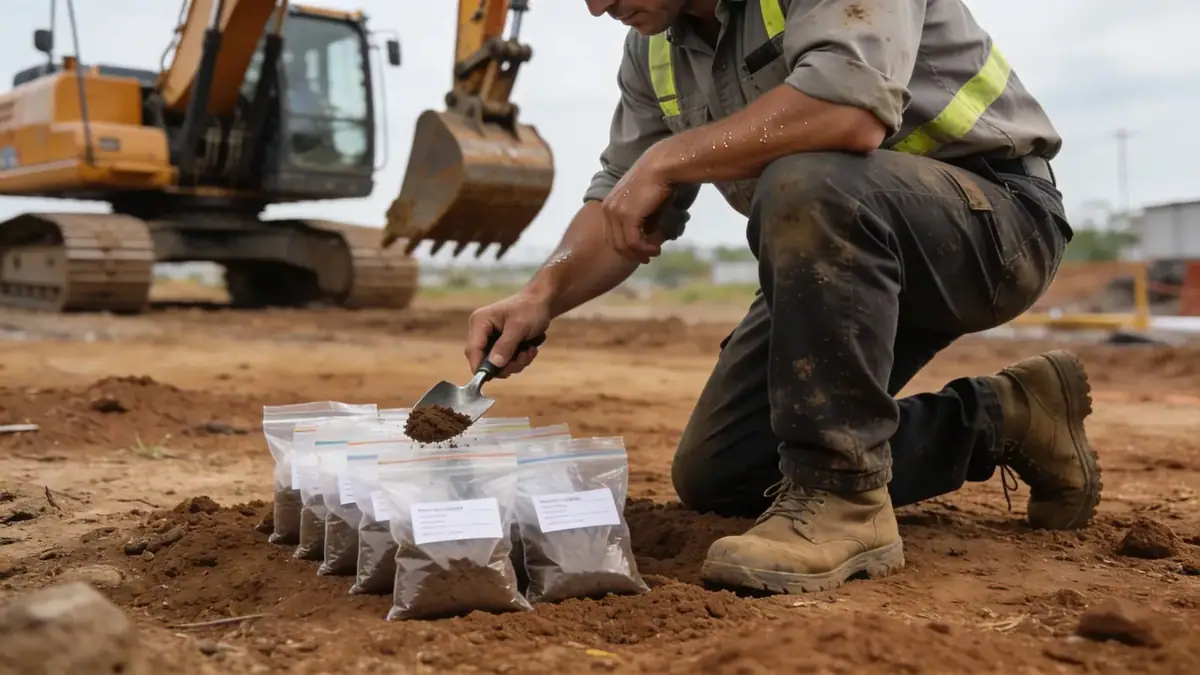
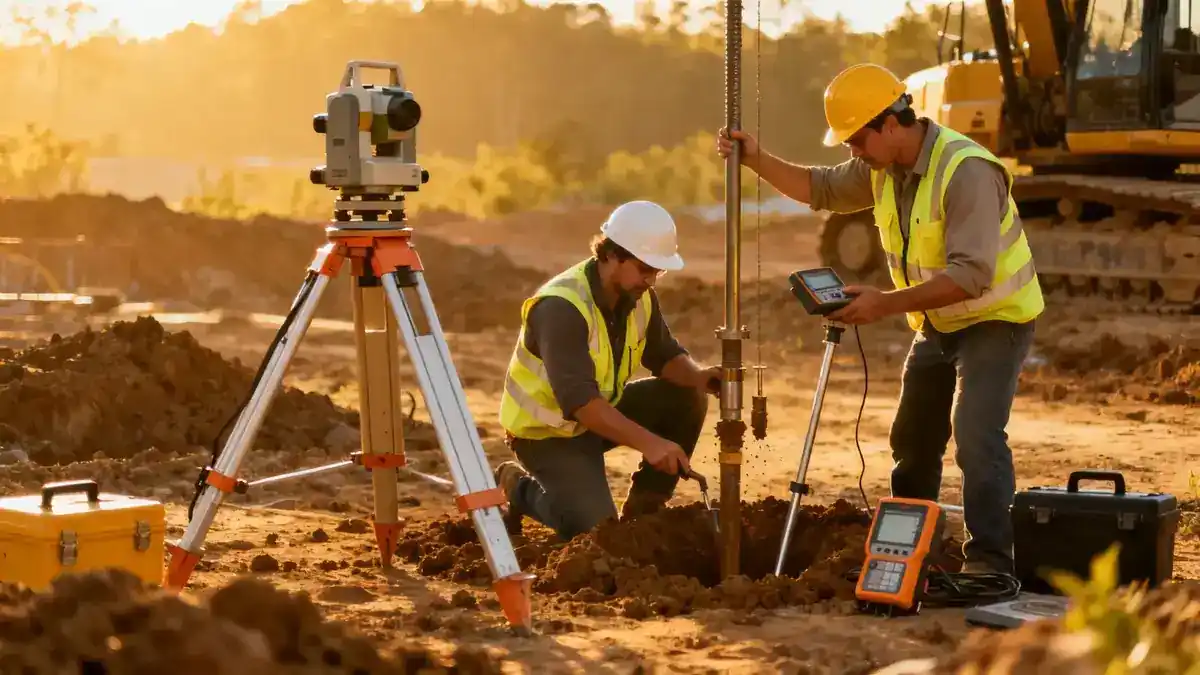
Our geotechnical engineering approach in Fort Wayne begins with a comprehensive review of existing geologic maps and previous project data for the area. We then conduct a site-specific subsurface exploration program tailored to the proposed structure. This typically includes a combination of spt boring at depths ranging from 10 to 30 meters, soil sampling for laboratory testing, and groundwater monitoring. The collected data is analyzed to determine soil stratigraphy, engineering properties, and foundation design parameters. Our methodology adheres to ASTM standards, including ASTM D1586 for standard penetration tests, ensuring reliable and reproducible results. The final geotechnical report provides clear recommendations for foundation type, bearing capacity, settlement estimates, and earthwork specifications.
Reference Technical Parameters
| Parameter | Reference Value |
|---|---|
| Predominant soil type | Glacial till (silty clay with sand and gravel) |
| Maximum seismic acceleration (PGA) | 0.10–0.14 g (ASCE 7-16, Site Class D) |
| Typical groundwater level | 2–5 m below ground surface (seasonal variation) |
| Bedrock depth | 30–60 m (limestone and dolomite) |
| Typical N60 range | 8–30 blows/0.3 m (glacial till) |
Local Considerations — Fort Wayne
Fort Wayne is underlain by glacial deposits from the Wisconsinan glaciation, resulting in variable soil conditions. The predominant soils are silty clays and clayey tills with occasional sand and gravel lenses. Groundwater levels are typically shallow (2–5 m) and can fluctuate seasonally, requiring careful dewatering considerations. Seismic hazard is low to moderate, with peak ground accelerations ranging from 0.10 to 0.14 g per ASCE 7-16, corresponding to Seismic Design Category B. Local building codes mandate geotechnical investigations for most structures, with specific requirements for expansive soils and fill areas. Our team is familiar with the distinct geotechnical challenges of neighborhoods like the Lakeside Park area (soft compressible clays) and the northern suburbs (stiffer tills). For complex projects, we often integrate soil mechanics laboratory testing to refine parameters.
Request a Quote
Our team reviews your project and issues an initial report at no cost.
Or write us directly at contact@geotechnicalengineering.net
Services in Fort Wayne
Applicable Standards
- ASTM D1586 (Standard Penetration Test)
- ASCE 7-16 (Minimum Design Loads and Associated Criteria for Buildings and Other Structures)
- IBC 2021 (International Building Code)
- Indiana Building Code (IBC-based with local amendments)
Frequently Asked Questions
What are the typical soil conditions encountered in Fort Wayne?
The most common soils are glacial tills, consisting of silty clay with varying amounts of sand and gravel. These deposits are generally dense and provide adequate bearing capacity for shallow foundations. However, localized zones of soft clay or loose sand may be present near river valleys, requiring deeper foundations or ground improvement.
Is a geotechnical study required for residential construction in Fort Wayne?
While not always mandatory for single-family homes, a geotechnical investigation is strongly recommended to identify potential issues such as expansive soils, high groundwater, or variable fill. Many local building officials require a soils report for new construction, especially if the site has known geotechnical hazards or if the structure exceeds a certain size.
What seismic design considerations apply to Fort Wayne?
Fort Wayne is in Seismic Design Category B per ASCE 7-16, with low to moderate seismicity. Peak ground acceleration (PGA) values range from 0.10 to 0.14 g. Structures must comply with IBC seismic provisions, including proper detailing and soil-structure interaction analysis for larger or irregular buildings.