Methodology
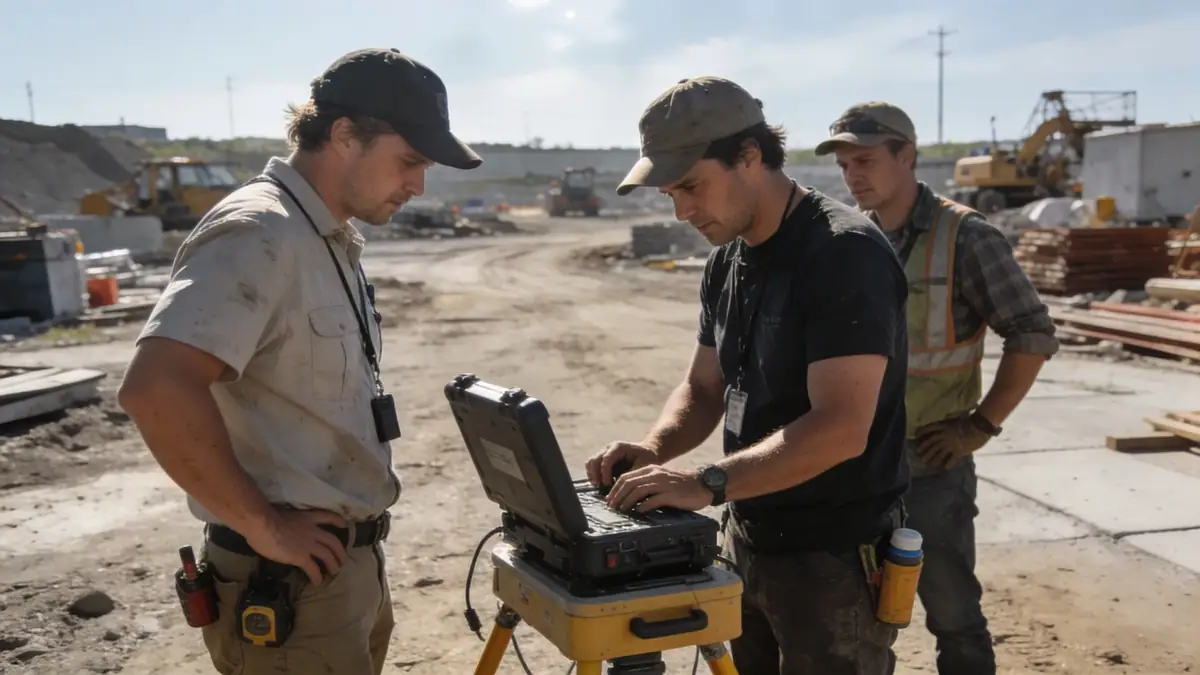
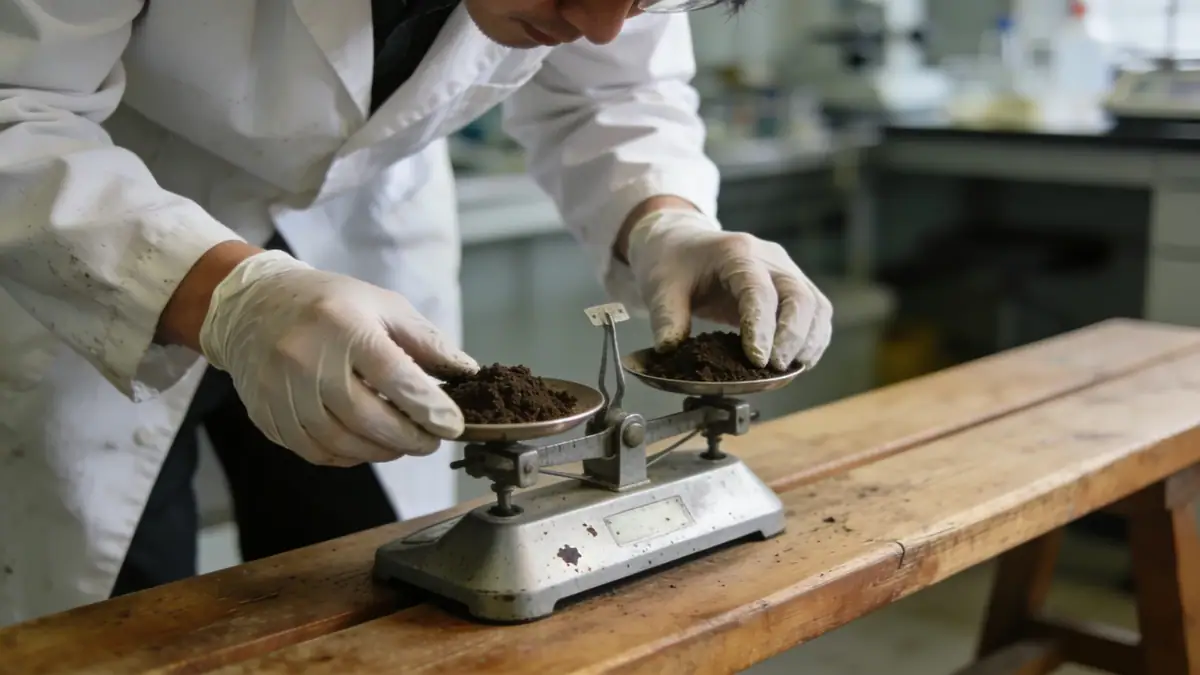
Our methodology for geotechnical engineering in Fort Worth begins with a comprehensive review of existing geological maps and historical site data. We conduct field investigations including spt boring to obtain disturbed and undisturbed soil samples at regular intervals, typically every 1.5 m, in accordance with ASTM D1586. Laboratory testing follows, focusing on index properties, strength parameters, and consolidation characteristics. This systematic approach allows us to characterize subsurface conditions accurately, addressing the high plasticity clays and variable bedrock depths common to the region.
Reference Technical Parameters
| Parameter | Reference Value |
|---|---|
| Predominant soil type | Expansive clay (Houston Black, vertisols) |
| Maximum seismic acceleration (PGA) | 0.10–0.15 g (IBC 2021, Site Class D) |
| Typical groundwater level | 3–8 m below surface (seasonal variation) |
| Bedrock depth | 5–30 m (Austin Chalk, Eagle Ford Shale) |
| Typical N60 range (clay) | 5–20 blows/300 mm (soft to stiff) |
Local Considerations — Fort Worth
Fort Worth's geology is dominated by Cretaceous-age sedimentary formations, including the Eagle Ford Shale and Austin Chalk. Expansive clay soils, particularly the Houston Black series, pose significant risks for foundation movement. Groundwater levels fluctuate seasonally, requiring careful drainage design. The city lies in Seismic Design Category B per IBC 2021, with peak ground accelerations up to 0.15 g. Older neighborhoods near the Trinity River may have uncontrolled fill, while western areas feature shallow bedrock. Our team integrates these factors into site-specific recommendations, often coordinating with slope stability analyses for cut-and-fill projects. For broader regional context, our geotechnical engineering in Houston practice addresses similar challenges in the Gulf Coastal Plain.
Request a Quote
Our team reviews your project and issues an initial report at no cost.
Or write us directly at contact@geotechnicalengineering.net
Services in Fort Worth
Applicable Standards
- ASTM D1586
- IBC 2021
- ASCE 7-22
- City of Fort Worth Standard Specifications
Frequently Asked Questions
What are the primary soil types encountered in Fort Worth?
Fort Worth predominantly features expansive clay soils, such as Houston Black clay, derived from Cretaceous marine deposits. These vertisols exhibit high plasticity and shrink-swell potential, requiring specialized foundation designs to mitigate movement.
Does Fort Worth have seismic design requirements?
Yes, Fort Worth is classified under Seismic Design Category B per IBC 2021, with mapped spectral accelerations (SDS) up to 0.15 g. While not high-seismic, site-specific soil response analyses may be necessary for critical structures.
Are geotechnical studies mandatory for construction in Fort Worth?
City ordinances typically require geotechnical investigations for commercial and multi-family projects, especially in areas with expansive soils or fill. Single-family homes often follow prescriptive foundation criteria, but site-specific studies are recommended for risk mitigation.