Methodology
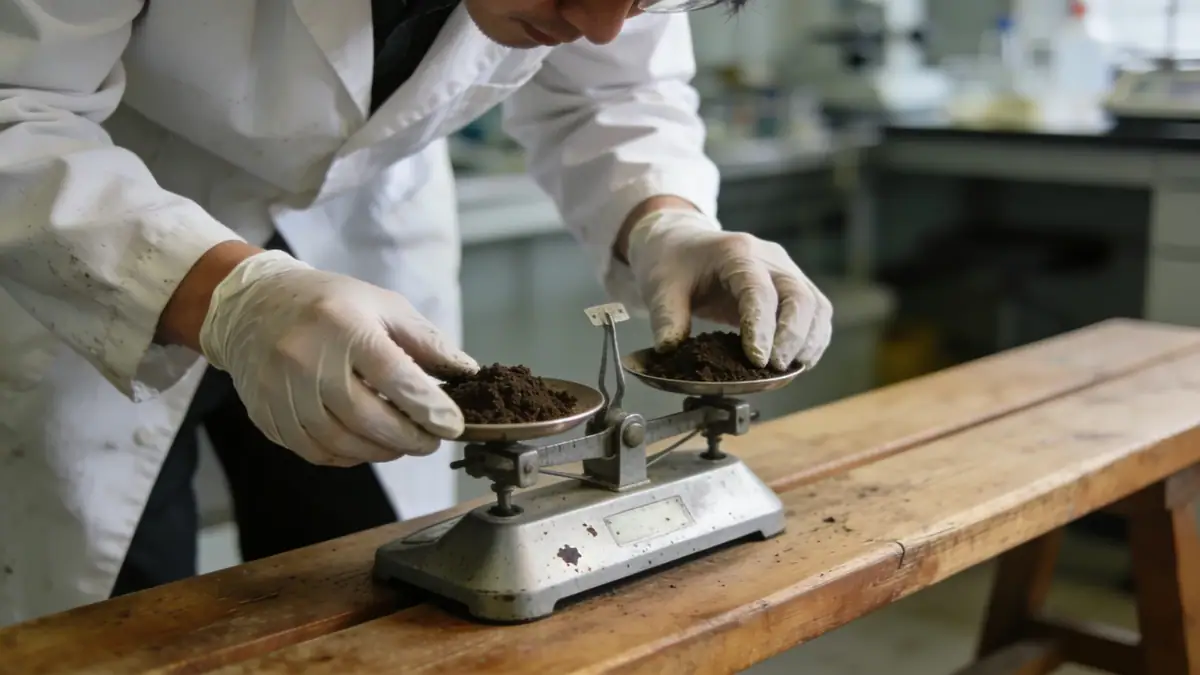
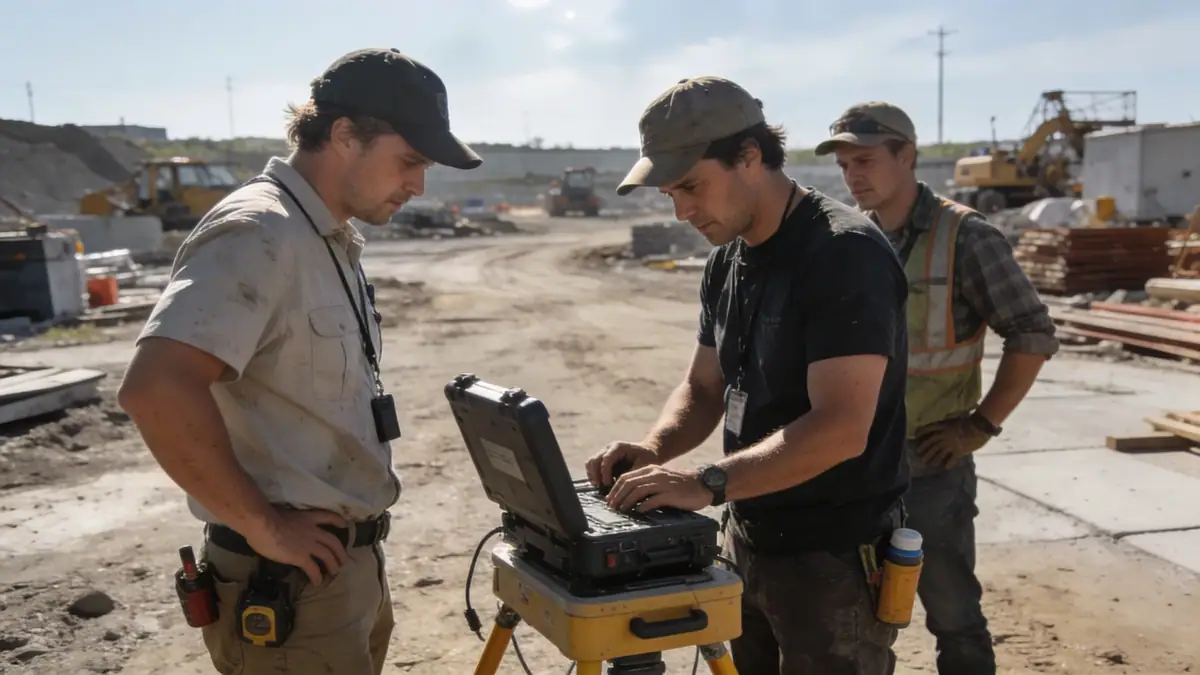
Our methodology for geotechnical engineering in Garden Grove integrates field investigations, laboratory testing, and advanced analysis. We conduct standard penetration tests (SPT) per ASTM D1586 to characterize soil strata and measure resistance. These data inform our evaluations of bearing capacity, settlement, and slope stability. In the laboratory, we perform index property tests, shear strength tests, and consolidation tests to refine our design parameters. This comprehensive approach ensures our recommendations are grounded in site-specific evidence, addressing the challenges of alluvial soils and high groundwater typical of the area.
Reference Technical Parameters
| Parameter | Reference Value |
|---|---|
| Predominant Soil Type | Alluvial sands and silts with clay lenses |
| Maximum Seismic Acceleration (PGA) | 0.4g–0.6g (Site Class D, per ASCE 7) |
| Typical Groundwater Level | 3–8 feet below ground surface |
| Bedrock Depth | Greater than 100 feet |
| Typical N60 Range | 5–30 blows per foot |
Local Considerations — Garden Grove
Garden Grove's geology consists of Quaternary alluvial deposits from the Santa Ana River, characterized by interbedded sands, silts, and clays. This stratigraphy, combined with a shallow groundwater table (3–8 feet), poses challenges for foundation design and excavation. The city lies within a seismically active region, with potential for strong ground shaking and liquefaction during earthquakes. Site-specific studies must address these hazards per ASCE 7 and local codes. For comprehensive regional context, our geotechnical engineering services in Los Angeles provide a broader perspective on Southern California's subsurface conditions. Additionally, our soil mechanics laboratory offers advanced testing to characterize these soils accurately.
Request a Quote
Our team reviews your project and issues an initial report at no cost.
Or write us directly at contact@geotechnicalengineering.net
Services in Garden Grove
Applicable Standards
- ASCE 7 (Minimum Design Loads for Buildings and Other Structures)
- California Building Code (CBC)
- ASTM D1586 (Standard Test Method for Standard Penetration Test)
Frequently Asked Questions
What soil types are commonly found in Garden Grove?
Garden Grove primarily features alluvial soils, including loose to dense sands, silts, and clays deposited by the Santa Ana River. These soils can vary significantly over short distances, requiring careful subsurface investigation for each site.
How do seismic regulations affect geotechnical engineering in Garden Grove?
Garden Grove is in a high seismic zone, requiring compliance with ASCE 7 and the CBC. Geotechnical reports must evaluate liquefaction, ground shaking, and fault rupture hazards. Site-specific seismic coefficients are used to design foundations and retaining structures.
Is a geotechnical study mandatory for construction in Garden Grove?
Yes, for most new buildings and significant additions. The City of Garden Grove requires a geotechnical report to assess soil conditions and seismic hazards, ensuring that designs mitigate risks such as settlement or liquefaction.