Methodology
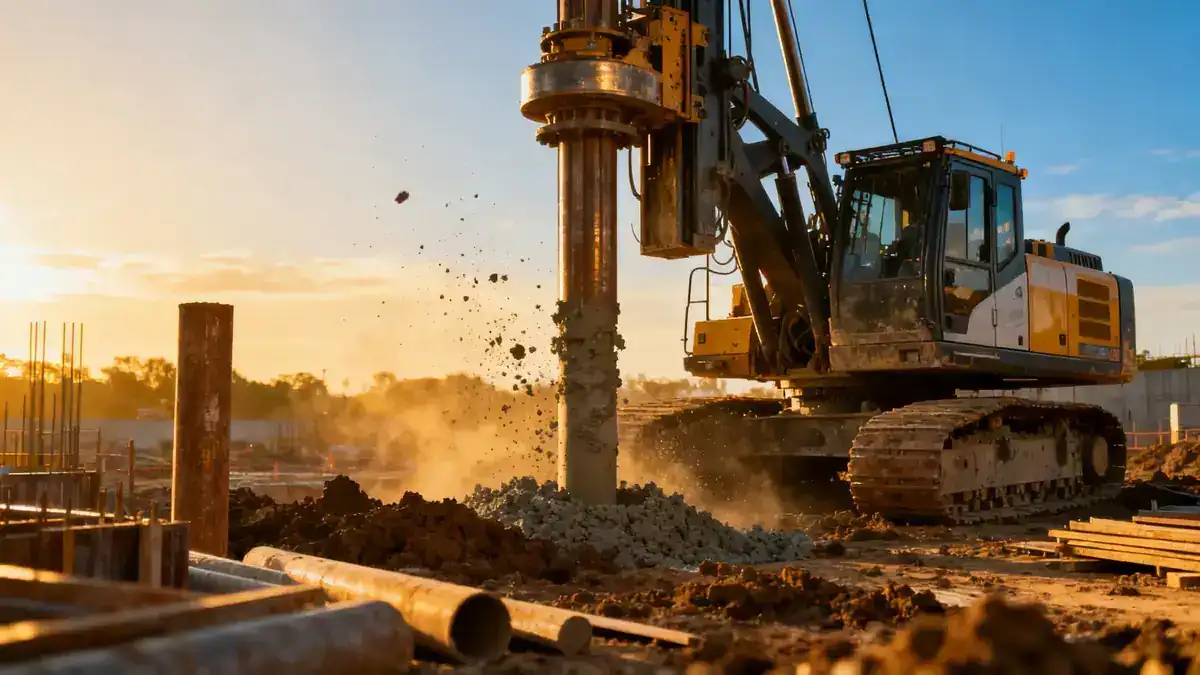
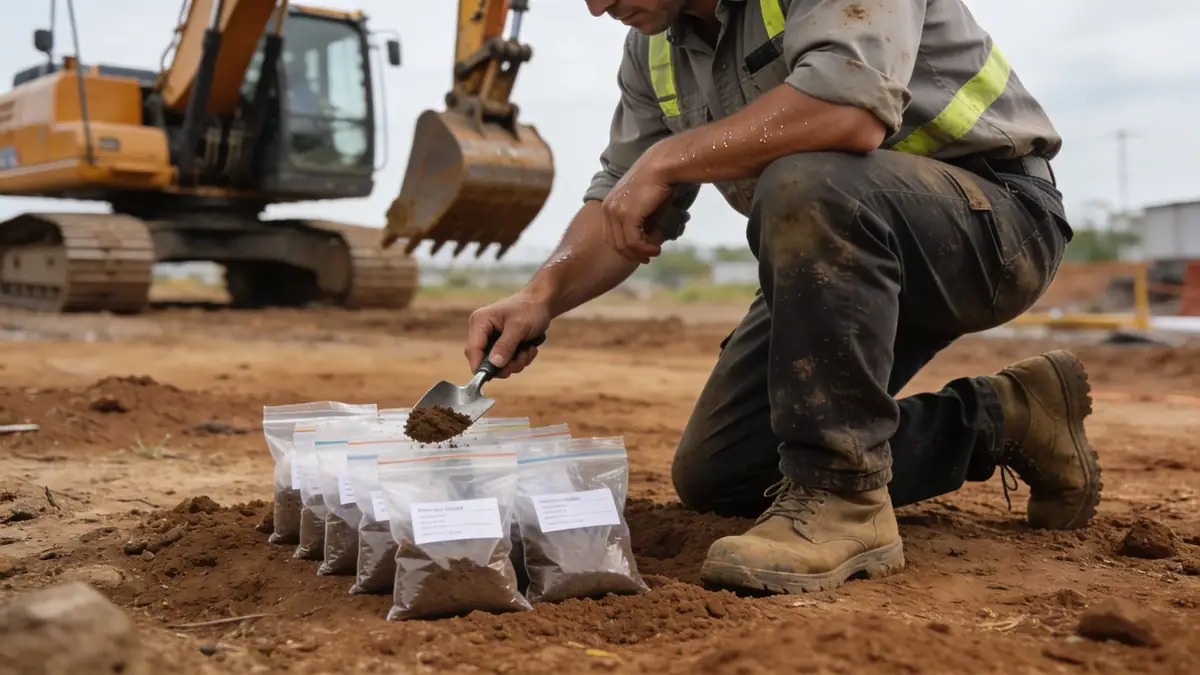
Our geotechnical engineering approach in Gilbert begins with a comprehensive site reconnaissance and review of existing geological maps. We then perform subsurface investigations using methods such as spt boring to characterize soil stratigraphy and obtain undisturbed samples for laboratory testing. Field testing includes standard penetration tests (SPT) per ASTM D1586, typically at 1.5-meter intervals, and groundwater monitoring. Laboratory analyses encompass classification, compaction, strength, and consolidation tests on representative samples. Data are interpreted using site-specific correlations and regional experience to develop design parameters for foundations, slabs, and earthworks. Our methodology ensures that recommendations are robust and defensible, addressing the collapsible and expansive soil conditions prevalent in Gilbert.
Reference Technical Parameters
| Parameter | Reference Value |
|---|---|
| Predominant Soil Type | Alluvial sands, silts, and clays with interbedded gravels |
| Maximum Seismic Acceleration (PGA) | 0.15g to 0.20g (per ASCE 7-16, Site Class D) |
| Typical Groundwater Level | 30 to 80 feet (9 to 24 m) below ground surface |
| Bedrock Depth | 500 to 1,000 feet (150 to 300 m) (deep sedimentary basin) |
| Typical N60 Range (SPT) | 10 to 30 blows/ft in near-surface soils; >50 in cemented layers |
Local Considerations — Gilbert
Gilbert's geology is dominated by deep alluvial deposits from the Salt River, resulting in variable soil profiles with significant lateral heterogeneity. Expansive clays (high plasticity index) are common in the eastern parts, while collapsible soils (low density, metastable structure) occur in the western areas. Groundwater is generally deep (30+ ft), but perched water can exist after heavy rains or irrigation. Seismic design follows ASCE 7 with Site Class D (stiff soil) typical; peak ground acceleration ranges from 0.15g to 0.20g. Local building codes adopt the International Building Code (IBC) with Arizona-specific amendments. Our team has encountered challenges such as differential settlement due to soil variability and foundation heave from clay expansion. For broader regional context, refer to our geotechnical engineering services in Phoenix, where similar geological conditions prevail.
Request a Quote
Our team reviews your project and issues an initial report at no cost.
Or write us directly at contact@geotechnicalengineering.net
Services in Gilbert
Applicable Standards
- ASTM D1586 (Standard Penetration Test)
- ASCE 7-16 (Minimum Design Loads for Buildings)
- International Building Code (IBC) 2021
- Arizona State Building Code (Title 9, Chapter 4)
- Town of Gilbert Engineering Design Standards
Frequently Asked Questions
What are the typical soil types encountered in Gilbert, AZ?
Gilbert soils are primarily alluvial deposits from the Salt River, consisting of sands, silts, and clays with interbedded gravels. Expansive clays (high plasticity) and collapsible silts are common, requiring careful geotechnical evaluation for foundation design.
Is a geotechnical study mandatory for residential construction in Gilbert?
Yes, the Town of Gilbert requires a geotechnical investigation for most new residential subdivisions and commercial buildings. The study must address soil bearing capacity, settlement, expansive soil potential, and seismic site classification per IBC and local amendments.
How deep should borings be for a typical home in Gilbert?
For a single-family home, borings are typically advanced to 10–15 feet (3–4.5 m) below planned foundation depth, or until encountering competent strata with N60 values above 30 blows/ft. Deeper borings may be needed for two-story structures or if collapsible soils are suspected.