Methodology
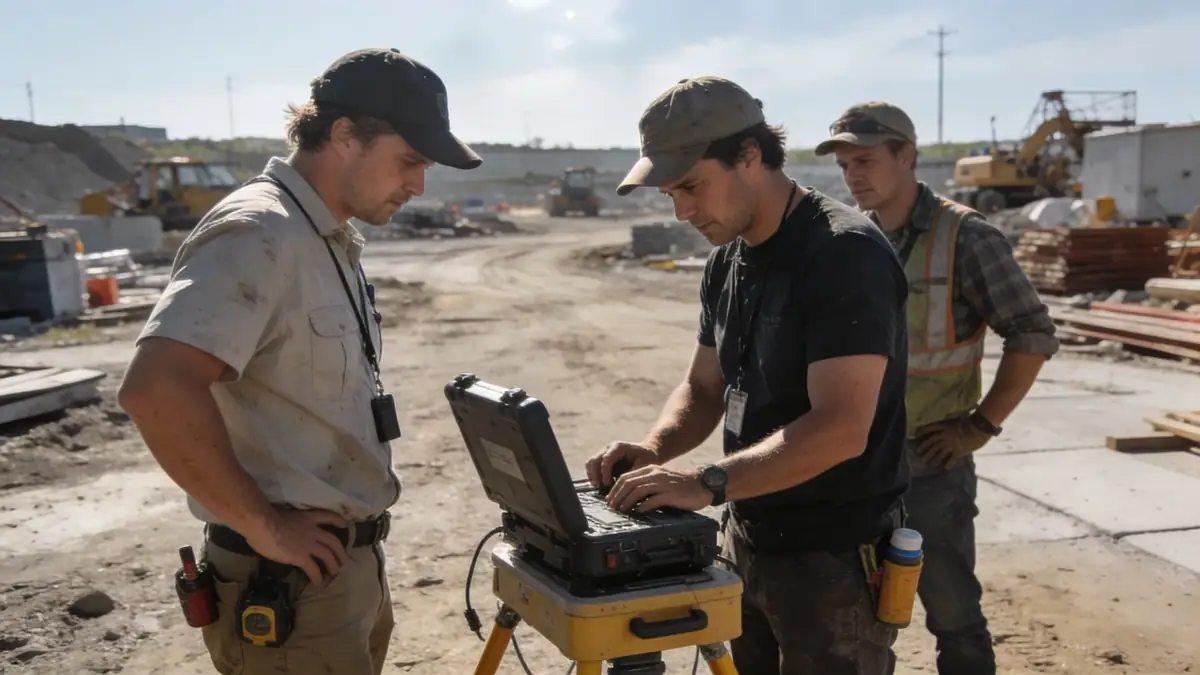
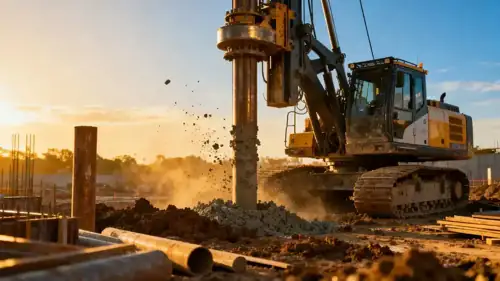
Our approach to geotechnical engineering in Glendale integrates standard penetration testing (SPT) per ASTM D1586, continuous soil sampling, and laboratory classification. We conduct spt boring at 1.0-1.5 m intervals to depths of 15-30 m, depending on project scale. Samples undergo moisture content, Atterberg limits, and sieve analysis in our soil mechanics laboratory. For seismic design, we perform shear wave velocity measurements and evaluate liquefaction potential using standard methods. This systematic methodology provides robust data for foundation design, slope stability, and earthwork specifications.
Reference Technical Parameters
| Parameter | Reference Value |
|---|---|
| Predominant soil type | Alluvial sands, silts, and clays with gravel lenses |
| Maximum seismic acceleration (PGA) | 0.4g (ASCE 7-16 Site Class D) |
| Typical groundwater level | 5-15 m below ground surface |
| Bedrock depth | Variable, 10-30 m in most areas |
| Typical N60 range | 10-40 blows/0.3 m, increasing with depth |
Local Considerations — Glendale California
Glendale's geology is shaped by alluvial fans from the San Gabriel Mountains and floodplain sediments from the Los Angeles River. The Verdugo Hills area features older, more consolidated soils, while southern zones near the river have younger, looser deposits. Groundwater levels are typically 5-15 m deep but can rise seasonally. Seismic hazards include strong shaking from nearby faults (San Andreas, Sierra Madre) and potential liquefaction in saturated sandy layers. Local regulations require geotechnical reports per California Building Code (CBC) and ASCE 7. Our team is familiar with these conditions and provides tailored recommendations. For broader context, see our geotechnical engineering services from Los Angeles. We also offer slope stability analysis for hillside developments.
Request a Quote
Our team reviews your project and issues an initial report at no cost.
Or write us directly at contact@geotechnicalengineering.net
Services in Glendale California
Applicable Standards
- ASTM D1586 (Standard Penetration Test)
- ASCE 7 (Minimum Design Loads for Buildings)
- California Building Code (CBC) Chapter 18
- ASTM D2487 (Unified Soil Classification System)
Frequently Asked Questions
What soil types are common in Glendale, California?
Glendale predominantly features alluvial sands, silts, and clays with occasional gravel lenses. In the Verdugo foothills, older, denser soils are found, while the southern floodplain has younger, looser deposits. Proper soil classification is essential for foundation design.
How do seismic codes affect geotechnical work in Glendale?
Glendale is in Seismic Design Category D per ASCE 7, requiring site-specific response analysis. Geotechnical reports must address liquefaction, lateral spreading, and slope stability. Our team incorporates CBC Chapter 18 requirements into all projects.
Are geotechnical studies mandatory for construction in Glendale?
Yes, the California Building Code requires a geotechnical investigation for most new structures and additions. Local municipalities often enforce this through permit review. A professional report ensures compliance and mitigates risks from soil variability and seismic hazards.