Methodology
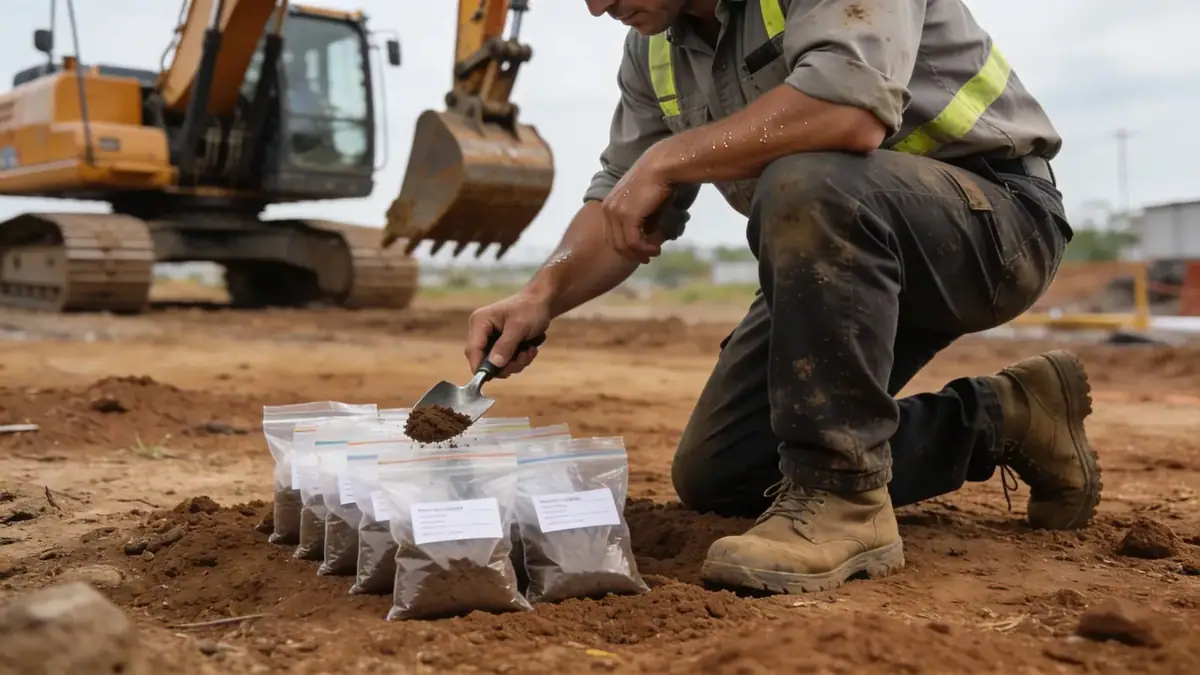
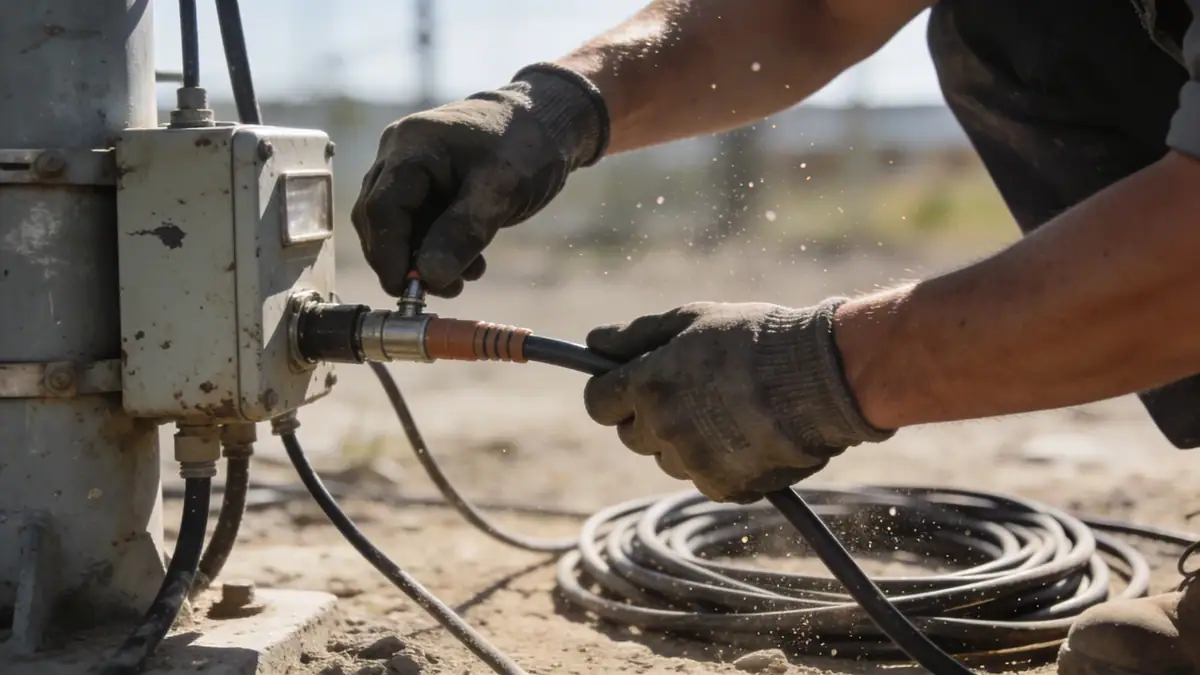
Our methodology for geotechnical engineering in Henderson Nevada integrates field and laboratory programs designed to characterize the variable alluvial deposits. We perform standard penetration testing (SPT) per ASTM D1586 at intervals of 1.5 m to depths of 15–30 m, depending on structural loads. Soil samples are classified using Unified Soil Classification System (USCS) and tested for moisture content, Atterberg limits, and shear strength. For seismic site classification, we measure shear wave velocity (Vs30) using downhole or MASW methods. This approach allows us to develop site-specific recommendations for foundation design, slab-on-grade, and earthwork. Our team also conducts spt boring to evaluate bearing capacity and liquefaction potential.
Reference Technical Parameters
| Parameter | Reference Value |
|---|---|
| Predominant soil type | Silty sand (SM) to poorly graded sand (SP) with gravel |
| Maximum seismic acceleration (PGA) | 0.20–0.30 g (ASCE 7-16, Site Class D) |
| Typical groundwater level | 15–30 m below ground surface |
| Bedrock depth | > 100 m (Tertiary sedimentary rock) |
| Typical N60 range | 10–40 blows/ft (varying with depth) |
Local Considerations — Henderson Nevada
Henderson Nevada lies within the Basin and Range Province, characterized by alluvial fans and playa deposits. Near Lake Las Vegas and the McCullough Range, soils grade from silty sands to clayey sands with caliche layers. The city is in Seismic Zone 3 per the 2022 International Building Code (IBC), with mapped PGA up to 0.30g. Local building departments often require site-specific seismic response analysis. Our team is experienced with the Clark County grading ordinance and Nevada Division of Water Resources regulations. For projects near the Las Vegas Wash, we evaluate collapsible soils and expansive clays. We also coordinate with soil mechanics laboratory testing to verify compaction standards. For broader regional context, see our geotechnical engineering en Los Angeles page.
Request a Quote
Our team reviews your project and issues an initial report at no cost.
Or write us directly at contact@geotechnicalengineering.net
Services in Henderson Nevada
Applicable Standards
- ASTM D1586 (Standard Penetration Test)
- ASCE 7-16 (Minimum Design Loads for Buildings and Other Structures)
- International Building Code 2021 (IBC)
- Clark County Grading Ordinance
- Nevada Administrative Code (NAC) 623
Frequently Asked Questions
What are the most common soil types encountered in Henderson Nevada?
The predominant soils are alluvial silty sands (SM) and poorly graded sands (SP), often with gravel and occasional caliche layers. In some areas, clayey sands (SC) and low-plasticity clays (CL) are found near the Las Vegas Wash.
Is a geotechnical study mandatory for residential construction in Henderson?
Yes, the Clark County Building Department requires a geotechnical investigation for all new residential structures, including single-family homes, to address soil bearing capacity, expansive potential, and seismic site class per IBC.
How does seismic hazard in Henderson compare to other parts of Nevada?
Henderson lies in a moderate seismic zone (PGA 0.20–0.30g), lower than western Nevada near Reno but higher than the eastern part. Site amplification from deep alluvium can increase ground motion, making site-specific analysis critical.