Methodology
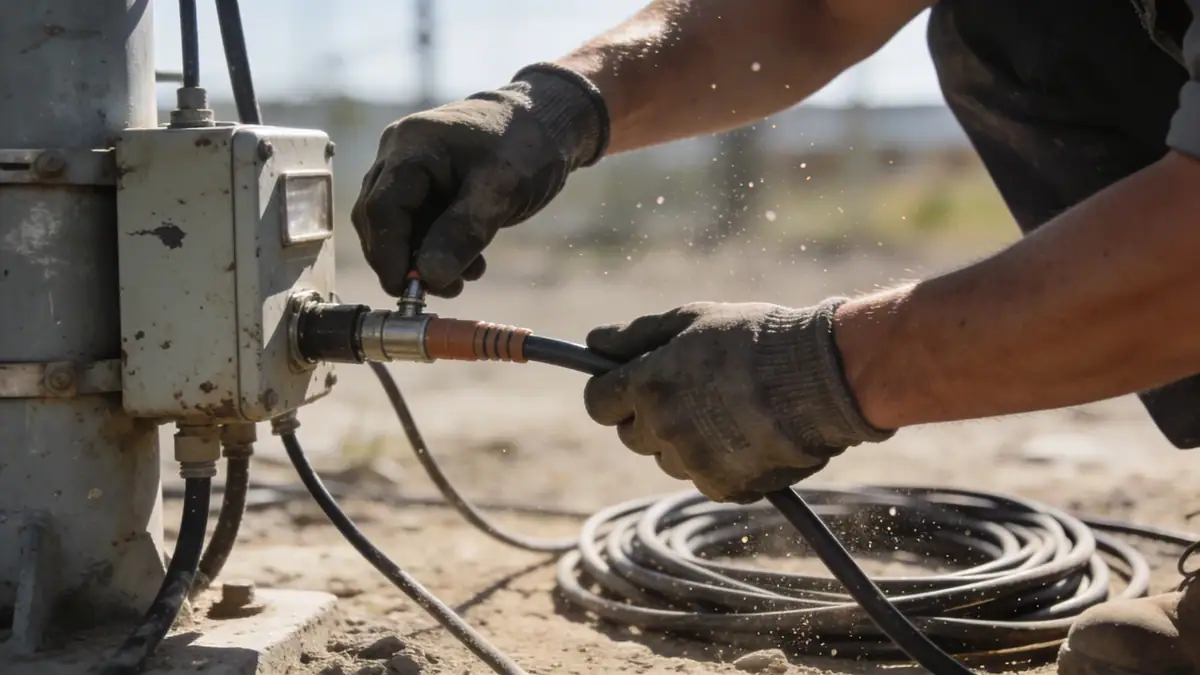
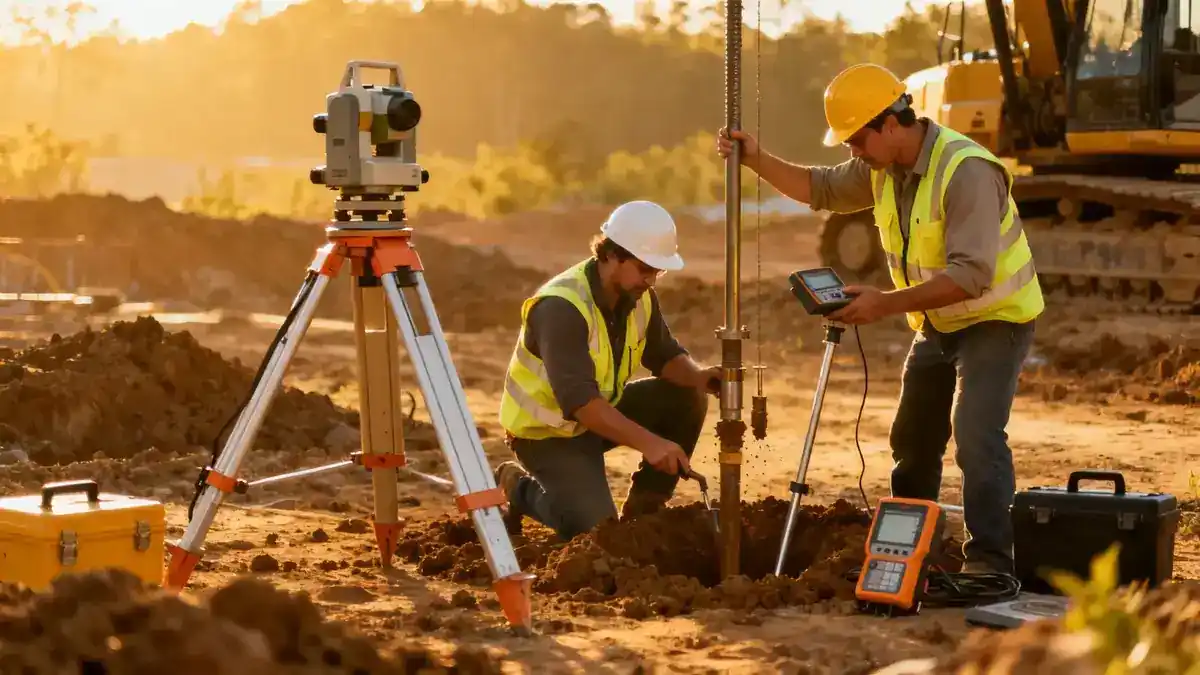
Our approach to geotechnical engineering in Honolulu begins with a comprehensive desk study of existing geological maps and seismic hazard data. Field investigations incorporate spt boring to characterize soil stratigraphy and obtain disturbed samples for laboratory testing. We utilize cone penetration testing (CPT) for continuous profiling in soft coastal sediments. Laboratory programs include index property tests (ASTM D6913, D7928) and strength tests (direct shear, triaxial). For seismic design, we evaluate liquefaction potential using cyclic stress ratios and SPT N60 values. Our methodology follows the guidelines of ASCE 7-22 for seismic loads and ASTM D1586 for standard penetration testing, ensuring data reliability for foundation and earthwork design.
Reference Technical Parameters
| Parameter | Reference Value |
|---|---|
| Predominant soil type | Residual basaltic clay (laterite) and coral sand |
| Maximum seismic acceleration (PGA) | 0.4g (ASCE 7-22, Site Class D) |
| Typical groundwater level | 1.5–3.0 m below surface in coastal areas |
| Bedrock depth | 5–30 m, variable (volcanic basalt) |
| Typical N60 range | 4–40 blows/0.3 m (sand to stiff clay) |
Local Considerations — Honolulu
Honolulu's geotechnical environment is governed by its volcanic origin and coastal setting. Residual soils from basalt weathering exhibit high plasticity and shrink-swell potential, while coastal fills and coral sands are prone to liquefaction during seismic events. Groundwater is shallow near the shoreline, requiring dewatering considerations. The city's seismic code references ASCE 7-22 with site-specific response spectra. Our firm coordinates with local geologists to address these factors. For regional context, our geotechnical engineering en Los Angeles team applies analogous approaches to urban infill and seismic challenges. Additionally, our slope stability expertise is critical for hillside developments in neighborhoods like Nuuanu and Pacific Heights.
Request a Quote
Our team reviews your project and issues an initial report at no cost.
Or write us directly at contact@geotechnicalengineering.net
Services in Honolulu
Applicable Standards
- ASCE 7-22: Minimum Design Loads and Associated Criteria for Buildings
- ASTM D1586: Standard Test Method for Standard Penetration Test (SPT)
- ASTM D2487: Classification of Soils for Engineering Purposes (Unified Soil Classification System)
- ASTM D2435: One-Dimensional Consolidation Properties of Soils
- Hawaii State Building Code (based on IBC)
Frequently Asked Questions
What are the predominant soil types in Honolulu?
Honolulu's soils are primarily residual basaltic clays (laterites) in upland areas and coral sands or artificial fill in coastal zones. These materials exhibit variable engineering properties, including high plasticity in clays and liquefaction susceptibility in sands.
How does seismic hazard affect geotechnical design in Honolulu?
Honolulu is located in a high seismic zone (ASCE 7 Site Class D typical). Design must account for peak ground accelerations up to 0.4g, liquefaction potential in saturated sands, and cyclic softening in clays. Site-specific response analyses are often required for critical structures.
Are geotechnical investigations mandatory for construction in Honolulu?
Yes, the Hawaii State Building Code requires geotechnical reports for most new construction, especially in areas with known fill, steep slopes, or high seismic risk. The scope depends on project scale and site complexity, typically including SPT borings and laboratory testing.