
Methodology
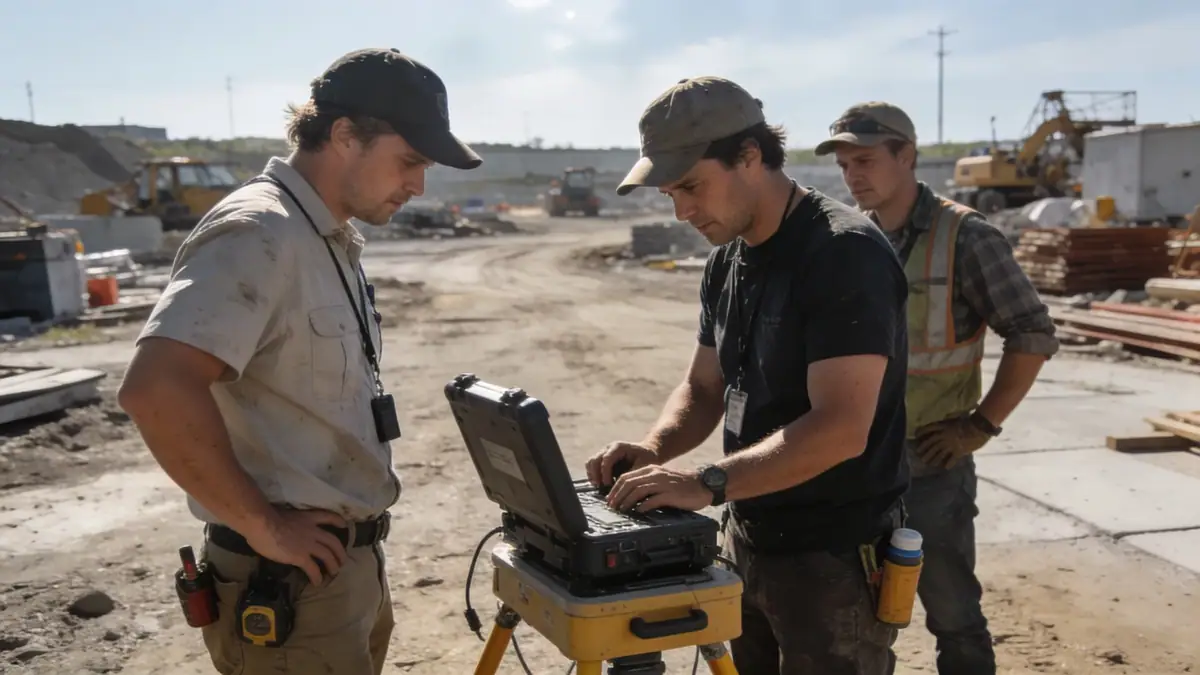
Our approach to geotechnical engineering in Huntsville begins with a comprehensive review of existing geological data and site history. We conduct field investigations using methods like spt boring to obtain soil samples at regular intervals, typically every 1.5 meters per ASTM D1586. In the laboratory, we perform index property tests, including grain size analysis and Atterberg limits, to classify soils. For seismic considerations, we evaluate site-specific ground motion parameters using ASCE 7 provisions. Our methodology integrates field and laboratory data to develop geotechnical models that inform foundation design, slope stability, and earthwork recommendations, ensuring compliance with local building codes and project objectives.
Reference Technical Parameters
| Parameter | Reference Value |
|---|---|
| Predominant soil type | Residual sandy clay and silty sand over limestone |
| Maximum seismic acceleration (PGA) | 0.14–0.20 g (ASCE 7 site class C/D) |
| Typical groundwater level | 5–15 m below surface, variable with season |
| Bedrock depth | 3–20 m, with irregular karstic surface |
| Typical N60 range | 8–25 blows/ft in residual soils |
Local Considerations — Huntsville
Huntsville's geology is dominated by weathered limestone and dolomite of the Knox Group, creating variable soil profiles and potential karst features such as sinkholes. Our geotechnical engineering in Huntsville addresses these challenges through careful site characterization. The city's seismic hazard is moderate, with peak ground accelerations of 0.14–0.20 g per ASCE 7, requiring site-specific response analysis for critical structures. Groundwater levels fluctuate seasonally, impacting excavation and foundation designs. In contrast to the Piedmont geology of our geotechnical engineering en Atlanta operations, Huntsville's carbonate bedrock demands specialized drilling and investigation techniques. Our team also considers expansive clay behavior in the region's residual soils when designing foundations and slabs.
Request a Quote
Our team reviews your project and issues an initial report at no cost.
Or write us directly at contact@geotechnicalengineering.net
Services in Huntsville
Applicable Standards
- ASTM D1586 (Standard Penetration Test)
- ASCE 7 (Minimum Design Loads for Buildings and Other Structures)
- Eurocode 7 (Geotechnical Design, reference for international projects)
- IBC (International Building Code) with Alabama amendments
Frequently Asked Questions
What are the typical soil conditions in Huntsville, Alabama?
Huntsville's soils are predominantly residual sandy clays and silty sands derived from weathered limestone. The underlying bedrock is carbonate, often with irregular karstic features. Groundwater levels vary from 5 to 15 meters deep, and soils may exhibit expansive behavior, requiring careful geotechnical evaluation.
How does seismic activity affect geotechnical engineering in Huntsville?
Huntsville is in a moderate seismic zone with peak ground accelerations of 0.14–0.20 g per ASCE 7. Site-specific seismic response analyses are recommended for essential facilities. Soil amplification and liquefaction potential are evaluated during geotechnical investigations to ensure compliance with local building codes.
Are geotechnical studies mandatory for construction projects in Huntsville?
While not always legally required for all projects, most local building authorities recommend or mandate geotechnical investigations for commercial and multi-family structures. A thorough study helps mitigate risks from variable soil conditions, karst features, and seismic hazards, ensuring safe and durable construction.