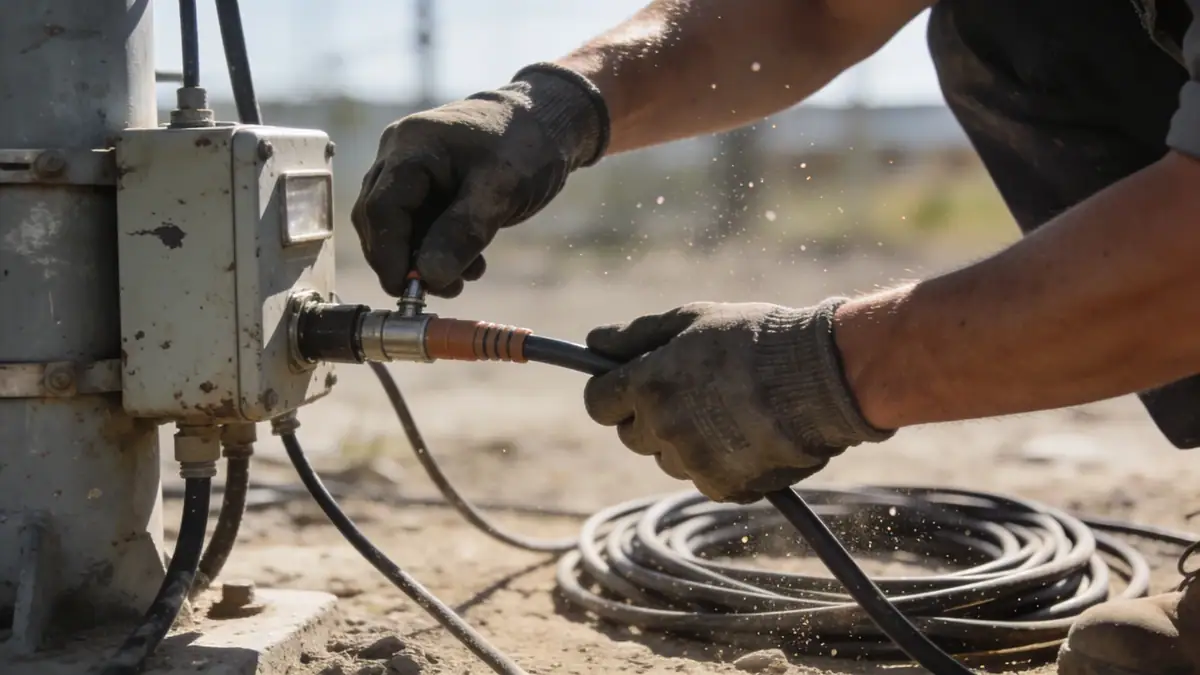
Methodology
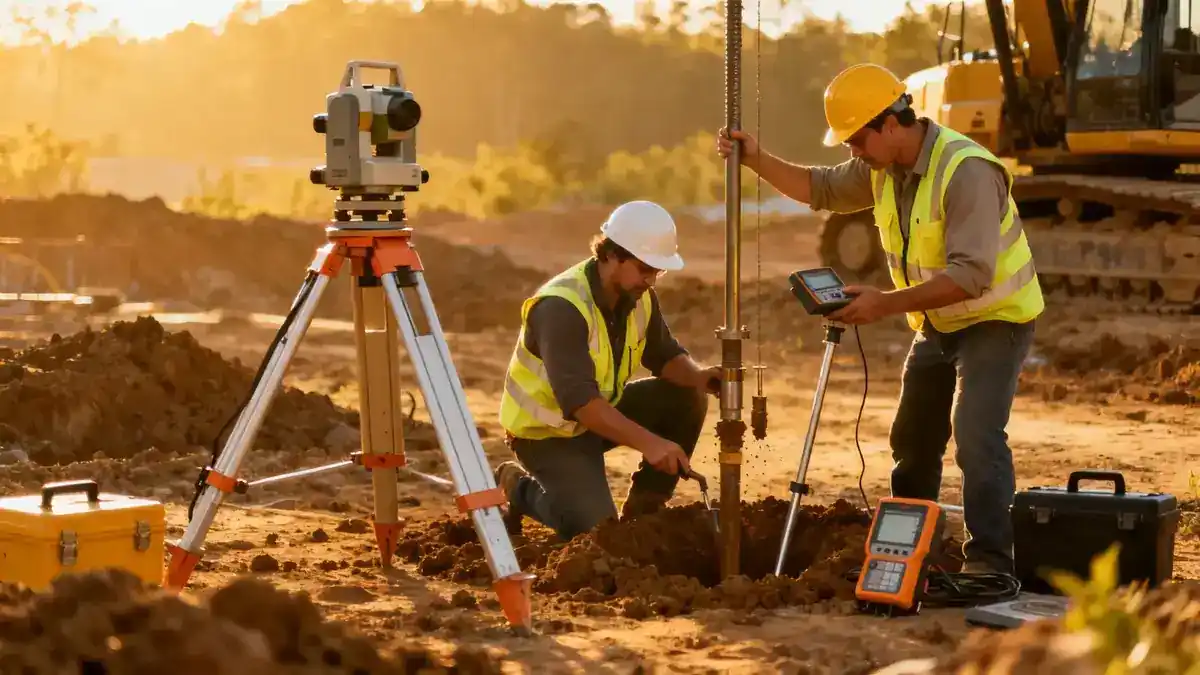
Our methodology integrates standard penetration testing (SPT) per ASTM D1586 with advanced laboratory analyses to characterize Juneau's subsurface conditions. We employ continuous sampling and in-situ testing to evaluate soil strength, compressibility, and seismic response. For slope stability assessments, we utilize limit equilibrium and finite element methods. Our approach is tailored to the site-specific geology, including glacial and fluvial deposits. For more on our spt boring techniques, please refer to that page.
Reference Technical Parameters
| Parameter | Reference Value |
|---|---|
| Predominant soil type | Glacial till, marine silts, and alluvial sands |
| Maximum seismic acceleration (PGA) | 0.3–0.5 g (ASCE 7 seismic design category D–E) |
| Typical groundwater level | 1–5 m below ground surface, seasonally variable |
| Bedrock depth | 5–30 m, with shallow bedrock in downtown areas |
| Typical N60 range (SPT) | 10–50 blows/ft for glacial soils; <10 in soft marine clays |
Local Considerations — Juneau Alaska
Juneau's geotechnical environment is dominated by glacial geology, with dense tills and soft marine clays alternating over bedrock. The city's steep terrain and high precipitation (over 2,300 mm annually) create active landslide and avalanche hazards. Seismic risk is high, with peak ground accelerations exceeding 0.5 g for certain soil profiles. Permafrost is absent at lower elevations but seasonal frost and freeze-thaw cycles affect shallow foundations. Differences in subsurface conditions between the downtown area (shallow bedrock) and the Mendenhall Valley (deep alluvial deposits) require distinct foundation approaches. Our slope stability services are critical for hillside developments in this region.
Request a Quote
Our team reviews your project and issues an initial report at no cost.
Or write us directly at contact@geotechnicalengineering.net
Services in Juneau Alaska
Applicable Standards
- ASTM D1586 – Standard Penetration Test (SPT)
- ASCE 7 – Minimum Design Loads and Associated Criteria for Buildings and Other Structures
- International Building Code (IBC) with Alaska Amendments
- Alaska State Seismic Hazard Maps
Frequently Asked Questions
What are the typical soil conditions in Juneau, Alaska?
Juneau's soils are predominantly glacial till, marine silts, and alluvial sands. Glacial till is dense and strong, while marine clays can be soft and compressible. Bedrock depth varies, with shallow rock in downtown areas and deeper deposits in the valley.
How does seismic activity affect geotechnical design in Juneau?
Juneau is in a high seismic zone due to its proximity to subduction zones. Design must consider peak ground accelerations of 0.3–0.5 g per ASCE 7. Soil liquefaction, slope instability, and foundation settlement are key concerns addressed through site-specific studies.
Are geotechnical studies required for building permits in Juneau?
Yes, most new construction and major renovations require a geotechnical report per the International Building Code. The report must address soil bearing capacity, seismic site class, and slope stability, especially on hillsides or near known landslide areas.