Methodology
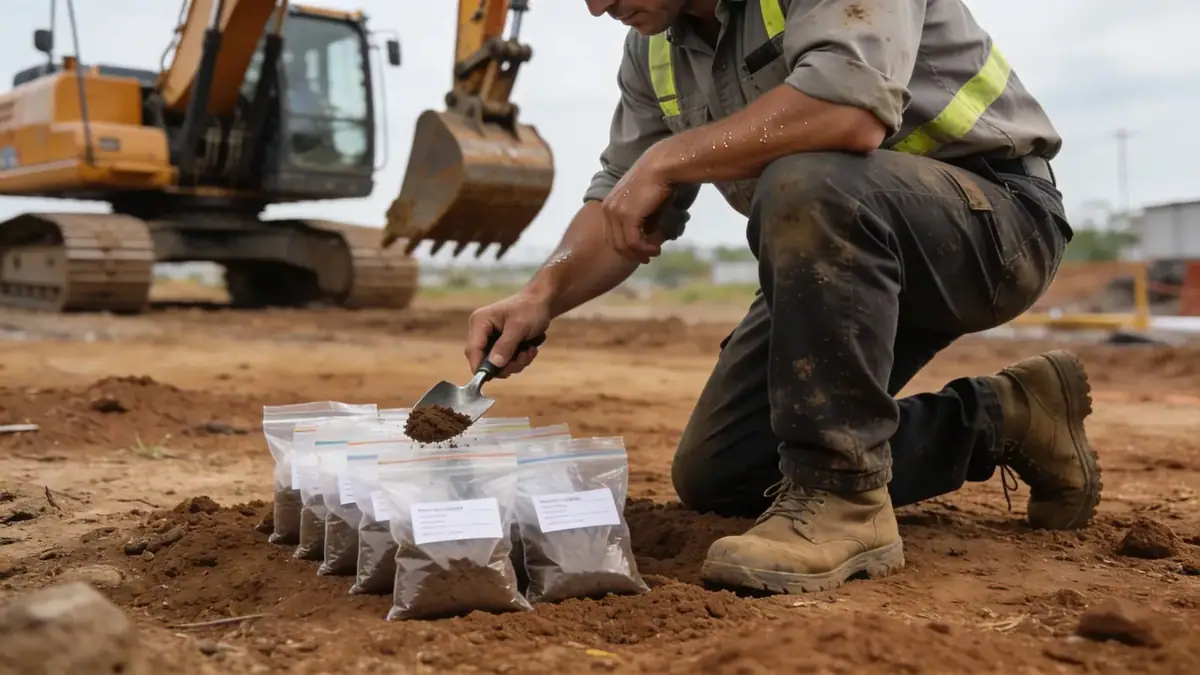
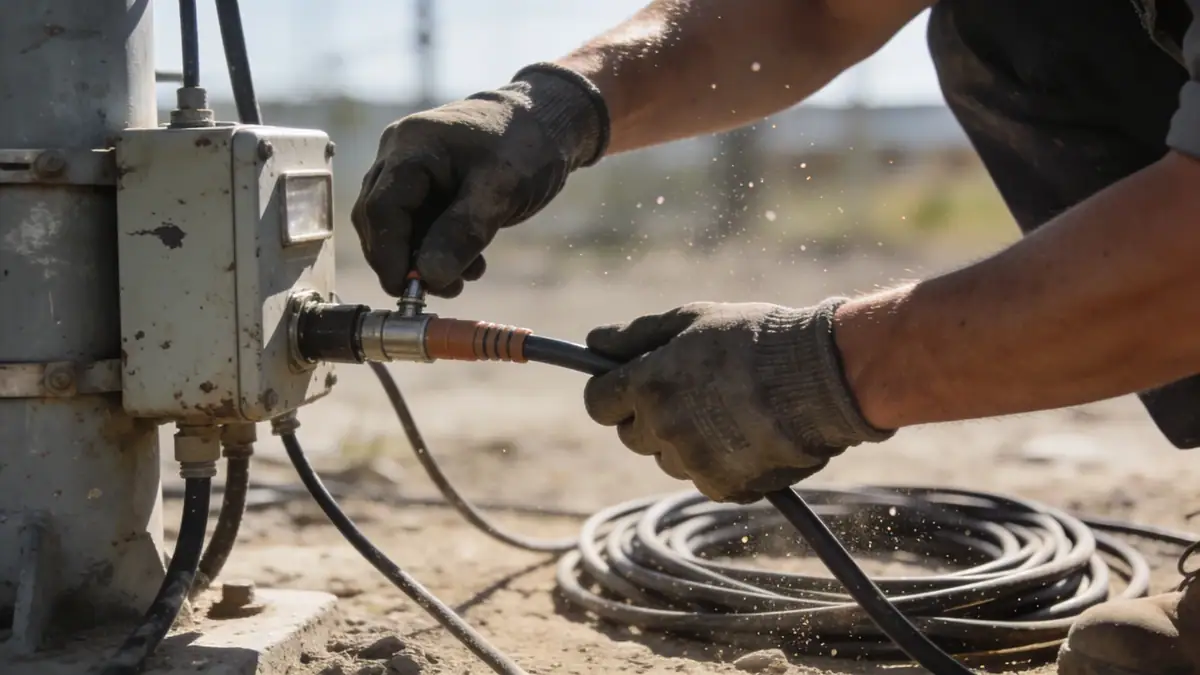
Our methodology for Kansas City projects begins with a thorough review of existing geologic maps and nearby boring logs to anticipate subsurface variability. Field investigations typically include spt boring at intervals of 1.5 meters in accordance with ASTM D1586, with standard penetration resistance (N60) recorded for each test. We also collect undisturbed and disturbed samples for laboratory testing of index properties, strength, and consolidation characteristics. For slope stability and retaining wall designs, we install piezometers to monitor groundwater levels over time. Our approach integrates field data with analytical models to provide foundation recommendations that address both static and seismic loading conditions, as Kansas City falls within seismic design Category B per ASCE 7.
Reference Technical Parameters
| Parameter | Reference Value |
|---|---|
| Predominant soil type | Glacial till and loess |
| Typical groundwater depth | 3–8 m below grade |
| Bedrock depth | 10–25 m (limestone/shale) |
| SPT N60 range (cohesive soils) | 5–20 blows/0.3 m |
| Maximum seismic acceleration (PGA) | 0.15–0.25 g (ASCE 7) |
Local Considerations — Kansas City
Kansas City's geology presents several considerations for geotechnical engineering: 1) Loess deposits can be collapsible when wetted, requiring careful compaction or deep foundations. 2) Glacial till provides generally good bearing capacity but may contain boulders that impede driven piles. 3) Groundwater levels fluctuate significantly with the Missouri River and local streams; dewatering may be needed for excavations. 4) The presence of karst features in limestone bedrock can cause sinkholes; geophysical surveys are often recommended. 5) Older fill materials in industrial areas may require remediation. Our team has extensive experience with these conditions and can coordinate with our geotechnical engineering in Chicago office for regional expertise. Additionally, we offer specialized services such as soil mechanics laboratory testing to support local projects.
Request a Quote
Our team reviews your project and issues an initial report at no cost.
Or write us directly at contact@geotechnicalengineering.net
Services in Kansas City
Applicable Standards
- ASTM D1586 (Standard Penetration Test)
- ASCE 7 (Minimum Design Loads for Buildings)
- International Building Code (IBC) – Kansas City adoption
- Kansas City Municipal Code – Chapter 56 (Geotechnical Reports)
Frequently Asked Questions
What are the typical soil types encountered in Kansas City?
The predominant soils are glacial till (clayey silt with sand and gravel) and loess (wind-deposited silt). These are underlain by Pennsylvanian-age limestone and shale bedrock. Loess can be collapsible when saturated, requiring careful foundation design.
Is Kansas City in a seismic zone?
Yes, Kansas City is classified as Seismic Design Category B per ASCE 7, with a maximum considered earthquake spectral response acceleration (S_S) of approximately 0.25 g. Geotechnical reports must include site-specific seismic coefficients for foundation design.
Are geotechnical studies mandatory for construction in Kansas City?
The Kansas City Municipal Code requires a geotechnical report for most new buildings and additions, particularly those with deep foundations or retaining walls over 1.2 m in height. The report must address soil bearing capacity, settlement, and lateral earth pressures.