Methodology
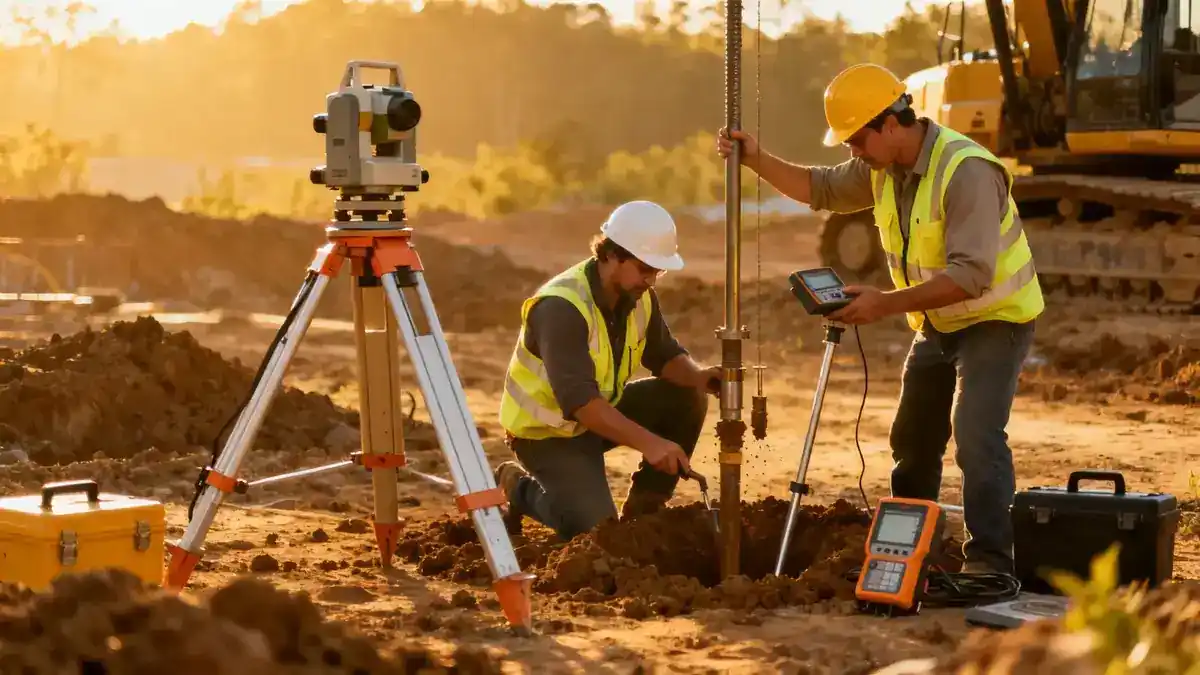
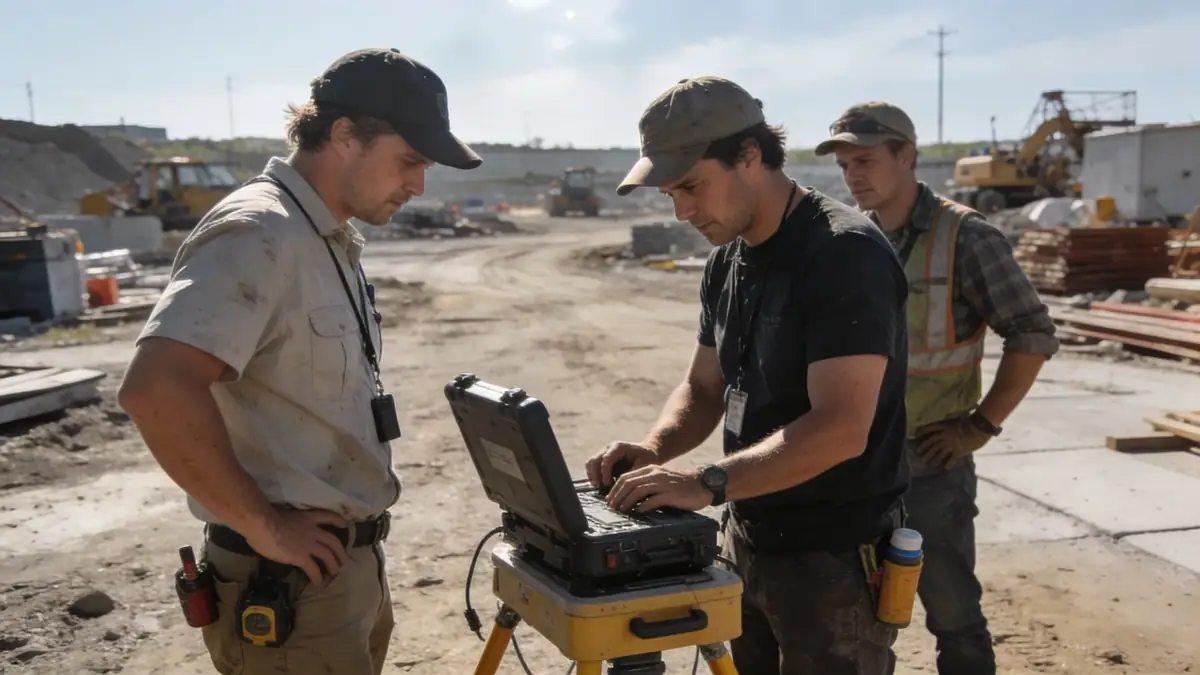
Our methodology for geotechnical engineering in Mckinney Texas begins with a detailed review of existing geological maps and nearby project records. We then conduct field investigations including SPT boring per ASTM D1586, with sampling intervals every 1.5 meters to capture soil variability. Laboratory testing follows, including Atterberg limits, unconfined compression, and consolidation tests. Our team integrates these results with site-specific seismic hazard analysis per ASCE 7-16 to determine design parameters. We provide clear recommendations for foundation type, depth, and ground improvement if needed. This systematic approach ensures our clients receive accurate, actionable data for their Mckinney projects.
Reference Technical Parameters
| Parameter | Reference Value |
|---|---|
| Predominant soil type | Expansive clay (smectite-rich) over limestone |
| Maximum seismic acceleration (PGA) | 0.10g (IBC 2018, Site Class D) |
| Typical groundwater level | 10-20 ft (3-6 m) depth, variable seasonally |
| Bedrock depth | 20-50 ft (6-15 m) below surface |
| Typical N60 range | 5-15 in clay; 20-40 in weathered limestone |
Local Considerations — Mckinney Texas
Mckinney Texas sits on the Blackland Prairie, underlain by Cretaceous marl and limestone. The dominant soil is expansive clay with high plasticity, requiring careful moisture control to prevent swelling damage. Seismic risk is low but considered per IBC 2018, with PGA up to 0.10g. In older neighborhoods like Historic Downtown, fill soils may be present, increasing variability. New developments near Lake Lavon encounter sandy alluvium and higher groundwater. Our team has extensive experience with these conditions, often recommending deep foundations or soil stabilization. For broader regional expertise, we coordinate with our geotechnical engineering en Houston office.
Request a Quote
Our team reviews your project and issues an initial report at no cost.
Or write us directly at contact@geotechnicalengineering.net
Services in Mckinney Texas
Applicable Standards
- ASTM D1586 (Standard Test Method for SPT)
- ASCE 7-16 (Minimum Design Loads for Buildings)
- IBC 2018 (International Building Code)
- ASTM D4318 (Atterberg Limits)
- ASTM D2487 (Unified Soil Classification)
Frequently Asked Questions
What are the typical soil conditions in Mckinney Texas?
Mckinney soils are predominantly high-plasticity clays (CH) derived from the Taylor Marl formation. These expansive clays can cause foundation movement if not properly addressed. We encounter weathered limestone at depths of 20-50 ft, providing competent bearing strata.
Do I need a geotechnical study for a residential project in Mckinney?
Yes, the city of Mckinney requires geotechnical investigations for new residential construction per IBC 2018. The expansive soils pose risks of heave and settlement, making site-specific data essential for slab design and foundation depth.
What seismic design parameters apply in Mckinney Texas?
Per ASCE 7-16, Mckinney falls in Seismic Design Category B with a maximum PGA of 0.10g. While not high, seismic loads must be considered for certain structures. Our reports provide site-specific spectral acceleration values.