Methodology
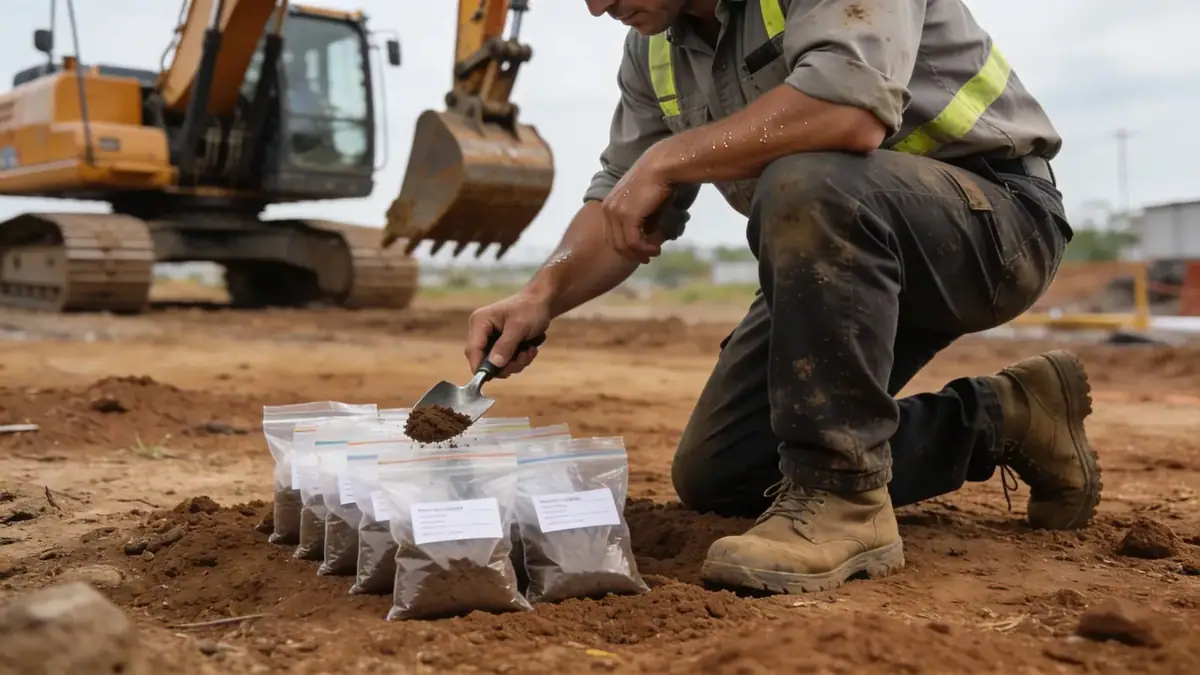
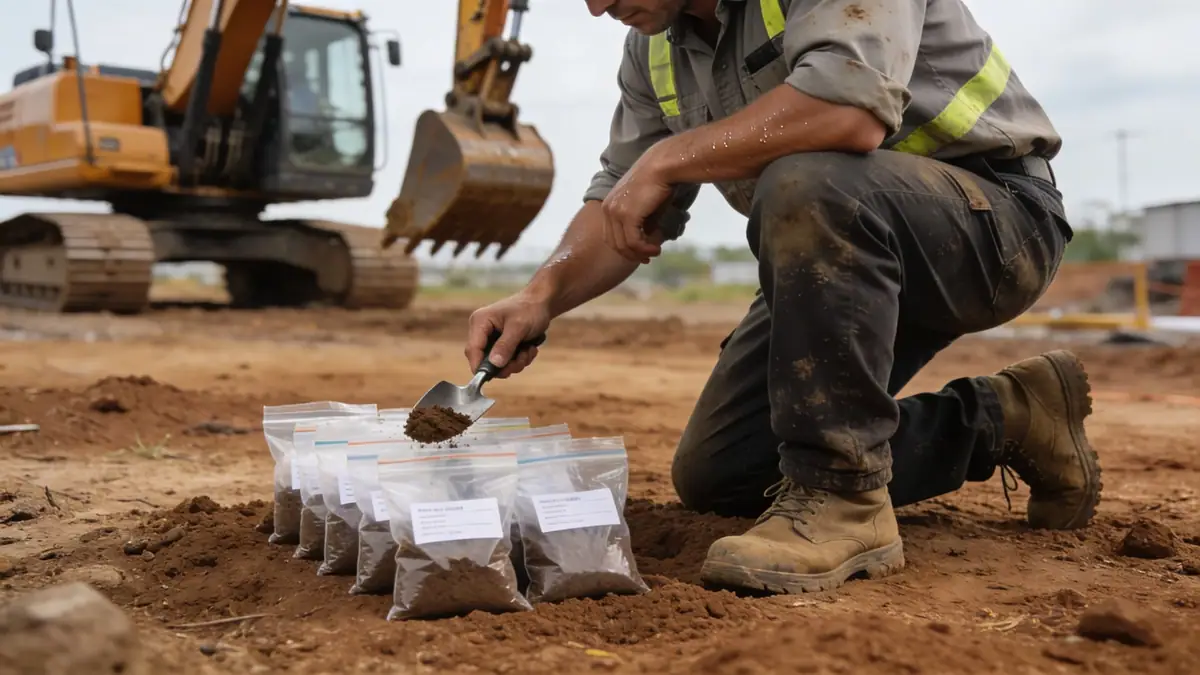
Our approach to geotechnical engineering in Oceanside integrates field exploration, laboratory testing, and numerical analysis. Standard penetration testing (SPT) per ASTM D1586 is conducted at intervals of 1.0 to 1.5 m to obtain N60 values and undisturbed samples. These data inform bearing capacity, settlement, and liquefaction potential assessments. We also employ cone penetration testing (CPT) for continuous stratigraphic profiling. Soil samples are analyzed in our soil mechanics laboratory for index properties, strength, and consolidation parameters, ensuring designs comply with local codes.
Reference Technical Parameters
| Parameter | Reference Value |
|---|---|
| Predominant soil type | Alluvial sands, silts, and clays |
| Maximum seismic acceleration (PGA) | 0.4g (per ASCE 7-16, Site Class D) |
| Typical groundwater level | 3 to 6 m below ground surface |
| Bedrock depth | >30 m (deep alluvial basin) |
| Typical N60 range | 5 to 30 blows/ft (variable) |
Local Considerations — Oceanside
Oceanside’s geology is dominated by Quaternary alluvium from the San Luis Rey River, with interbedded sands, silts, and clays. Shallow groundwater (3–6 m) requires dewatering considerations for excavations. Seismic hazards are significant due to proximity to the Elsinore and San Jacinto fault zones; liquefaction and lateral spreading are common concerns in coastal areas. Older neighborhoods near the downtown core may have undocumented fill, while newer developments on the eastern hillsides encounter more competent sedimentary units. Our geotechnical engineering in Oceanside routinely addresses these contrasts, and we coordinate with our Los Angeles hub for region-wide expertise.
Request a Quote
Our team reviews your project and issues an initial report at no cost.
Or write us directly at contact@geotechnicalengineering.net
Services in Oceanside
Applicable Standards
- ASTM D1586 (Standard Penetration Test)
- ASCE 7-16 (Minimum Design Loads for Buildings)
- California Building Code (CBC) 2022
- City of Oceanside Grading and Excavation Ordinance
Frequently Asked Questions
What soil types are commonly encountered in Oceanside?
Oceanside’s subsurface typically consists of alluvial sands, silts, and clays deposited by the San Luis Rey River. In coastal areas, beach sands and marine terrace deposits are present. Deeper strata may include older Pleistocene sediments. Variable layering necessitates detailed site-specific exploration.
How do seismic codes affect geotechnical engineering in Oceanside?
Oceanside is in Seismic Zone 4 per the California Building Code, with a mapped maximum considered earthquake (MCE) spectral response acceleration of 1.5g at short periods. Geotechnical reports must address liquefaction, lateral spreading, and seismic settlement using site-specific response analyses per ASCE 7.
Is a geotechnical investigation mandatory for all construction in Oceanside?
The City of Oceanside requires geotechnical reports for most new structures, additions exceeding 50% of existing floor area, and grading plans involving cuts or fills over 3 feet in height. Exceptions apply to minor alterations, but prudent practice recommends investigation for any project.