Methodology
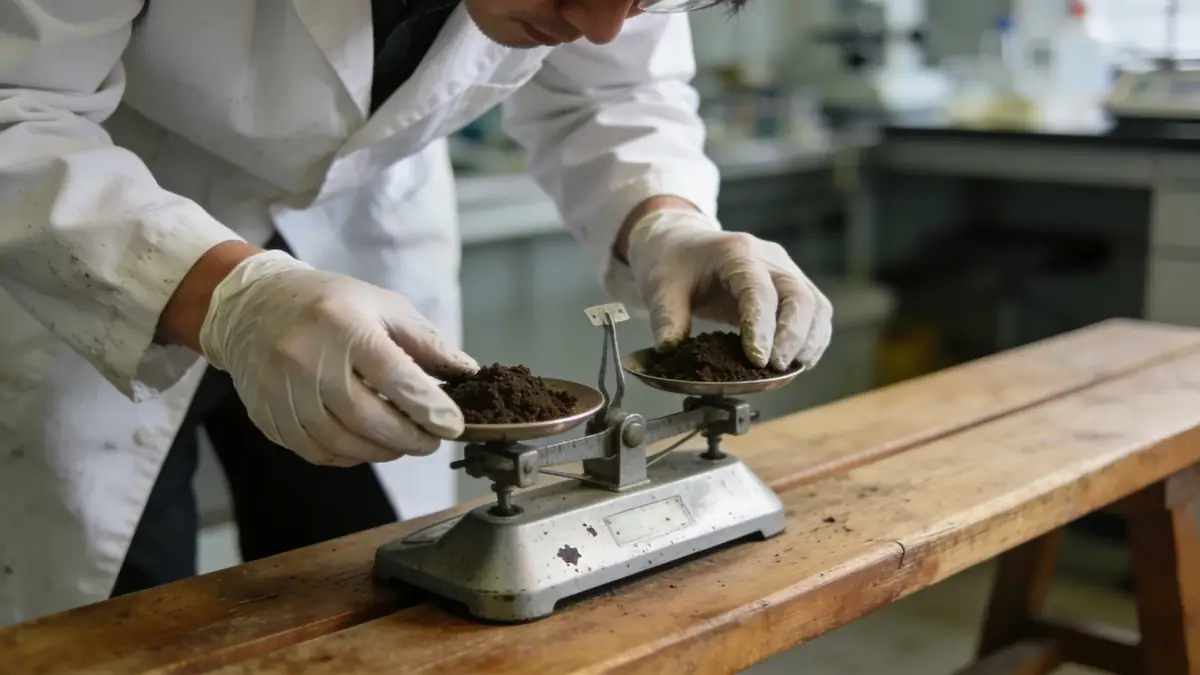
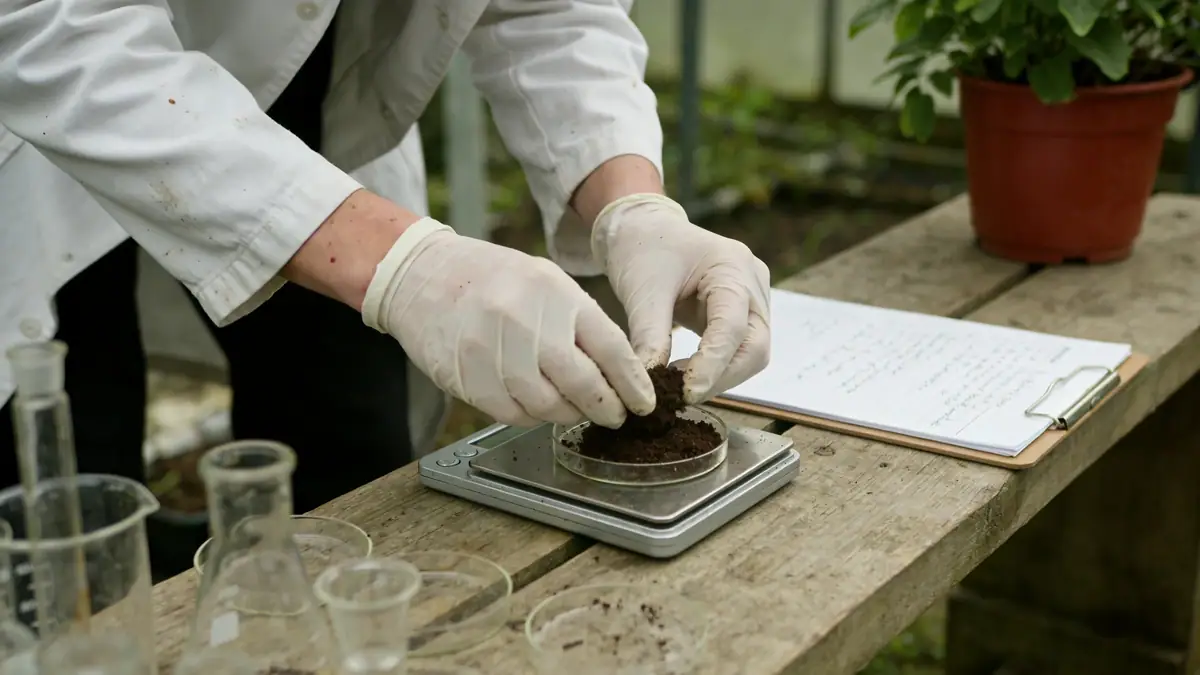
Our methodology for geotechnical engineering in Oklahoma City begins with a thorough review of existing geologic maps and prior site data. We then perform targeted field investigations, including spt boring to obtain soil samples at 1.5 m intervals per ASTM D1586, supplemented by cone penetration testing for continuous stratigraphic profiling. Laboratory testing follows, with classification (ASTM D2487), strength (triaxial compression), and consolidation tests (ASTM D2435) to characterize soil behavior. Our integrated approach ensures that all data are synthesized into actionable recommendations for foundation design, slope stability, and earthwork, tailored to the specific demands of Oklahoma City's urban environment.
Reference Technical Parameters
| Parameter | Reference Value |
|---|---|
| Predominant soil type | Expansive clay (CH) and claystone |
| Maximum seismic acceleration (PGA, 2% in 50 years) | 0.15–0.20 g |
| Typical groundwater depth | 3–10 m below grade |
| Bedrock depth | 5–30 m (Permian bedrock) |
| Typical N60 range (SPT) | 10–40 blows/300 mm |
Local Considerations — Oklahoma City
Oklahoma City's subsurface is dominated by Permian red claystone and shale, overlain by expansive alluvial clays along the North Canadian River. These clays exhibit high plasticity (PI >40) and can cause differential foundation movement if not properly mitigated. Groundwater levels fluctuate seasonally, often rising within 3 m of the surface after heavy rains. Seismically, the region is assigned a moderate hazard (PGA 0.15–0.20 g) per ASCE 7-22, requiring careful dynamic analysis for critical structures. Older neighborhoods like Heritage Hills rest on shallow claystone, while newer developments in Edmond encounter deeper alluvium. Typical geotechnical challenges include foundation heave in residential slabs and slope stabilization along the river bluffs. For broader context, our geotechnical engineering in Houston team addresses similar expansive soil issues in a different geologic setting.
Request a Quote
Our team reviews your project and issues an initial report at no cost.
Or write us directly at contact@geotechnicalengineering.net
Services in Oklahoma City
Applicable Standards
- ASTM D1586 (Standard Penetration Test)
- ASCE 7-22 (Minimum Design Loads for Buildings)
- ASTM D2487 (Unified Soil Classification System)
- ASTM D2435 (Consolidation Test)
- ASTM D3080 (Direct Shear Test)
Frequently Asked Questions
What soil conditions are typical in Oklahoma City?
Oklahoma City primarily features expansive clay soils (CH) derived from Permian claystone and shale, along with alluvial deposits along waterways. These soils have high plasticity and shrink-swell potential, requiring careful foundation design to prevent heave and settlement.
Is seismic analysis required for Oklahoma City projects?
Yes, per ASCE 7-22, Oklahoma City has a moderate seismic hazard with a peak ground acceleration of 0.15–0.20 g for a 2% probability in 50 years. Site-specific seismic analysis, including liquefaction assessment, is recommended for critical facilities and tall structures.
Are geotechnical studies mandatory for construction in Oklahoma City?
While not always legally required for all projects, most local building codes and lenders mandate a geotechnical investigation for new construction. This ensures safe design against expansive soils and seismic loads, and is strongly advised for any structure with a foundation.