Methodology

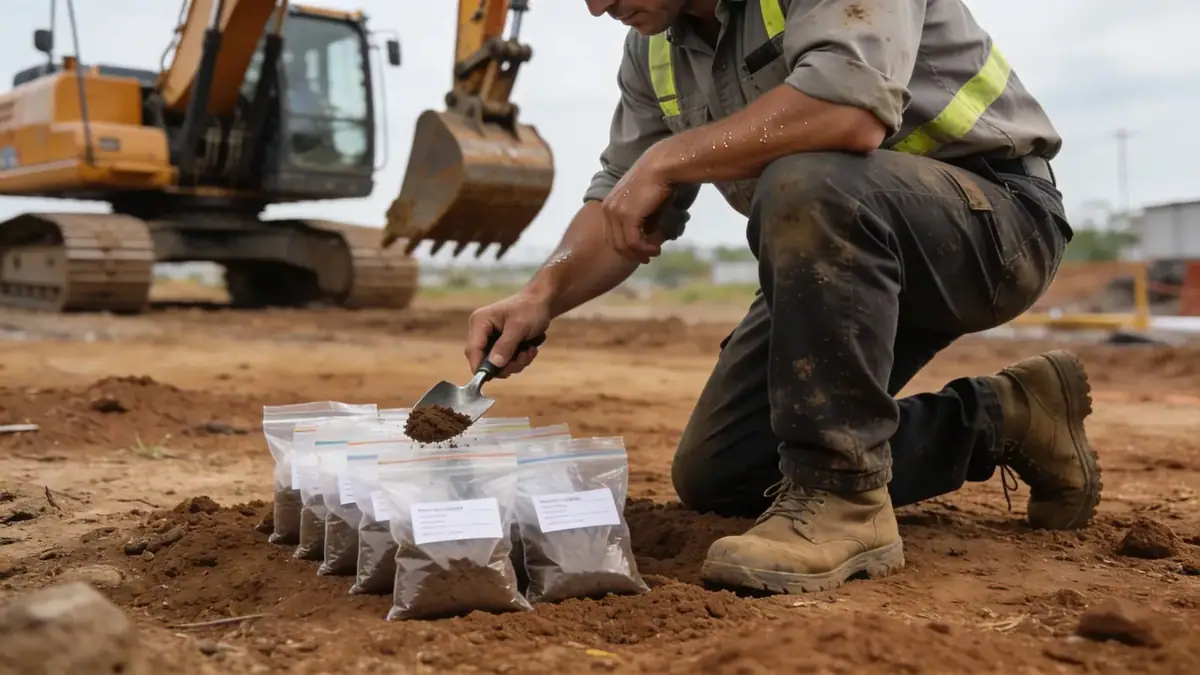
Our methodology for geotechnical engineering in Omaha begins with a thorough review of existing geological maps and subsurface data. We then conduct field investigations, including spt boring to standard penetration test depths of 8–30 meters, depending on project requirements. Laboratory testing on recovered samples follows ASTM D1586 and other relevant standards. All data is integrated into a site-specific geotechnical model, informing foundation design, slope stability, and earthwork recommendations.
Reference Technical Parameters
| Parameter | Reference Value |
|---|---|
| Predominant soil type | Loess (silty), alluvial sands/clays |
| Maximum seismic acceleration (PGA) | 0.1g (ASCE 7) |
| Typical groundwater level | 1.5–6 m below grade |
| Bedrock depth | 15–45 m (shale/limestone) |
| Typical N60 range | 4–30 blows/0.3 m |
Local Considerations — Omaha
Omaha's geology is dominated by loess deposits overlying glacial till and bedrock. The Missouri River floodplain features alluvial sands and silts with high groundwater levels, often requiring dewatering. In contrast, the Loess Hills uplands have deeper water tables but collapsible soils. Seismicity, though low, follows the Nemaha Ridge fault zone with a maximum PGA of 0.1g per ASCE 7. Our team has extensive experience across these diverse conditions. For broader regional context, visit our geotechnical engineering in Chicago hub.
Request a Quote
Our team reviews your project and issues an initial report at no cost.
Or write us directly at contact@geotechnicalengineering.net
Services in Omaha
Applicable Standards
- ASTM D1586
- ASCE 7
- Omaha Municipal Code Chapter 55
- Nebraska Building Code
Frequently Asked Questions
What are the typical soil conditions in Omaha?
Omaha predominantly features loess soils, which are wind-deposited silts that can be collapsible when wetted. Along the Missouri River, alluvial sands and clays are common, with groundwater often shallow. These conditions require careful evaluation for foundation design.
Is seismic analysis required for projects in Omaha?
Yes, per ASCE 7 and the Nebraska Building Code, seismic analysis is required for most structures. Omaha falls in a moderate seismic zone due to the Nemaha Ridge fault system, with a design PGA of 0.1g. Our team incorporates site-specific seismic response analysis.
Are geotechnical studies mandatory for construction in Omaha?
While not always mandatory for all projects, the Omaha Municipal Code requires geotechnical reports for commercial buildings and subdivisions. Even for residential projects, a geotechnical study is highly recommended due to variable soil conditions and potential collapsibility.