Methodology
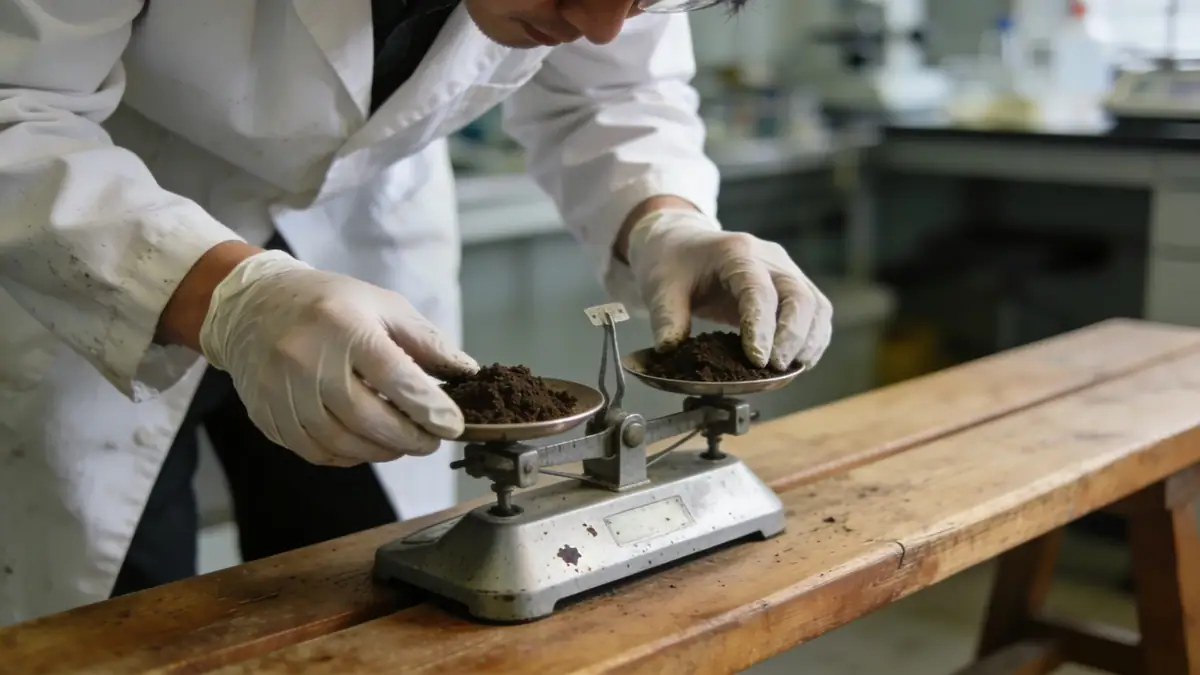
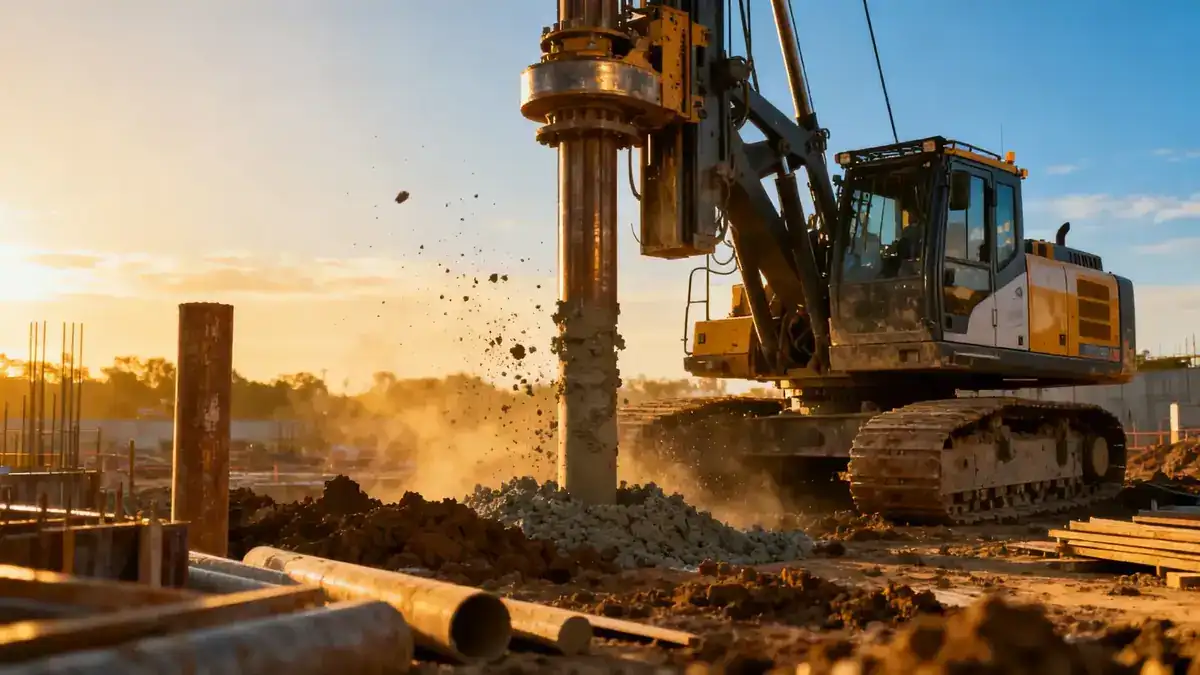
Our methodology for geotechnical engineering in Orange California integrates field and laboratory investigations following ASTM D1586 for Standard Penetration Test (SPT) borings. We perform continuous sampling at 1.0-1.5 m intervals to characterize soil stratification and obtain N60 values. For soft or liquefiable soils, cone penetration testing (CPT) is employed with continuous readings every 1-2 cm. Laboratory tests include grain size distribution (ASTM D6913), Atterberg limits (ASTM D4318), and direct shear (ASTM D3080) to determine shear strength parameters. Our team utilizes these data to develop site-specific profiles and recommendations, ensuring compliance with ASCE 7 seismic provisions and local codes. For a detailed overview of our field investigation techniques, visit our spt boring service page.
Reference Technical Parameters
| Parameter | Reference Value |
|---|---|
| Predominant soil type | Alluvial sand, silt, and clay with gravel lenses |
| Maximum seismic acceleration (PGA) | 0.4g to 0.6g (ASCE 7 seismic design category D or E) |
| Typical groundwater level | 3 to 10 meters below ground surface |
| Bedrock depth | Variable; typically 15 to 50 meters (Tertiary sedimentary rock) |
| Typical N60 range | 10 to 40 blows per 0.3 m |
Local Considerations — Orange California
Orange California's geology is dominated by Quaternary alluvial deposits from the Santa Ana River, with interbedded sands, silts, and clays. Shallow groundwater is common, requiring dewatering considerations for excavations. Seismic hazard is significant due to nearby faults (e.g., Newport-Inglewood, San Andreas), necessitating liquefaction and dynamic settlement analyses. The city's older neighborhoods may have undocumented fill or compressible soils, while newer developments often require engineered foundations. Our team has extensive local experience, and we coordinate with the geotechnical engineering en Los Angeles hub for regional insights. For laboratory testing, our soil mechanics laboratory performs advanced triaxial and consolidation tests tailored to Orange County conditions.
Request a Quote
Our team reviews your project and issues an initial report at no cost.
Or write us directly at contact@geotechnicalengineering.net
Services in Orange California
Applicable Standards
- ASTM D1586 (Standard Penetration Test)
- ASCE 7-16 (Minimum Design Loads and Associated Criteria for Buildings and Other Structures)
- California Building Code (CBC) 2022
- ASTM D2487 (Classification of Soils for Engineering Purposes)
- ASTM D4318 (Atterberg Limits)
Frequently Asked Questions
What are the typical soil conditions encountered in Orange California?
Soils in Orange California generally consist of alluvial sands, silts, and clays, with occasional gravel layers. Groundwater levels are typically shallow, ranging from 3 to 10 meters. The area is seismically active, requiring thorough geotechnical evaluation for liquefaction and settlement.
Is a geotechnical study mandatory for construction in Orange California?
Yes, the California Building Code requires a geotechnical investigation for most new structures, especially those in Seismic Design Categories D or E. Local jurisdictions in Orange County often enforce strict review of geotechnical reports to ensure public safety.
How does seismic activity affect geotechnical engineering in Orange California?
Orange California lies near several active faults, including the San Andreas and Newport-Inglewood. Peak ground accelerations can exceed 0.6g, necessitating liquefaction analysis, lateral spread evaluation, and dynamic foundation design per ASCE 7 standards.