Methodology
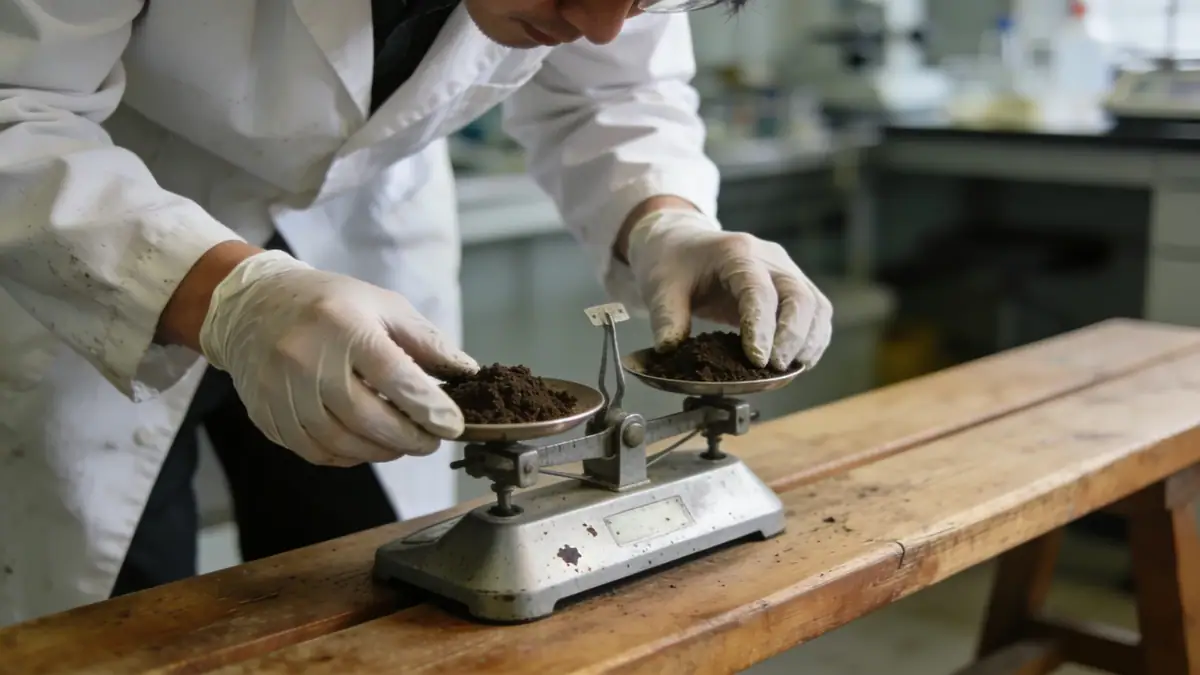
Our methodology in Peoria begins with a thorough review of existing geological maps and a site reconnaissance. We then conduct a subsurface exploration program tailored to the project's scale, typically including spt boring to obtain soil samples and measure N-values. In our laboratory, we perform classification tests (ASTM D2487) and strength tests to characterize soil behavior. We evaluate foundation bearing capacity and settlement using empirical and analytical methods, considering local groundwater conditions. For seismic design, we apply site-specific response analysis per ASCE 7-16 to determine spectral accelerations. Our reports provide clear recommendations for foundation type, depth, and construction considerations.
Reference Technical Parameters
| Parameter | Reference Value |
|---|---|
| Predominant Soil Type | Glacial till, silt, and clay |
| Maximum Seismic Acceleration (PGA) | 0.15g to 0.20g (per ASCE 7-16) |
| Typical Groundwater Level | 3 to 10 m below surface |
| Bedrock Depth | Variable, 15 to 50 m |
| Typical N60 Range (SPT) | 5 to 30 blows/0.3m |
Local Considerations — Peoria Illinois
Peoria's geology is dominated by glacial deposits, including till, outwash sands, and lacustrine clays. The Illinois River floodplain presents shallow groundwater and soft soils, requiring careful dewatering and foundation design. In contrast, upland areas have stiffer glacial tills and deeper bedrock. Seismic hazard is moderate, with peak ground accelerations up to 0.20g, necessitating site-specific response analysis per ASCE 7. Our team understands local building codes and has experience with both residential and commercial projects. For complex subsurface conditions, we coordinate with our structural engineers to optimize foundation solutions. Our main hub is geotechnical engineering in Chicago, serving the broader Illinois region.
Request a Quote
Our team reviews your project and issues an initial report at no cost.
Or write us directly at contact@geotechnicalengineering.net
Services in Peoria Illinois
Applicable Standards
- ASTM D1586 (Standard Penetration Test)
- ASCE 7-16 (Minimum Design Loads and Associated Criteria for Buildings and Other Structures)
- IBC 2021 (International Building Code)
- AASHTO (for transportation projects)
Frequently Asked Questions
What are the typical soil conditions in Peoria Illinois?
Peoria's soils are predominantly glacial till, silts, and clays, with variable sand and gravel lenses. The Illinois River floodplain has soft alluvial deposits and high groundwater, while upland areas have stiffer tills and deeper bedrock.
Is seismic design required for buildings in Peoria?
Yes, per the IBC and ASCE 7-16, Peoria is in a moderate seismic zone with design spectral accelerations requiring site-specific analysis for most structures. Our firm evaluates soil amplification effects and provides seismic parameters for foundation design.
Are geotechnical investigations mandatory for construction in Peoria?
While not always mandatory for small residential projects, most commercial and industrial developments require a geotechnical report. Local building officials often request subsurface information to ensure foundation safety, especially in floodplain areas.