
Methodology
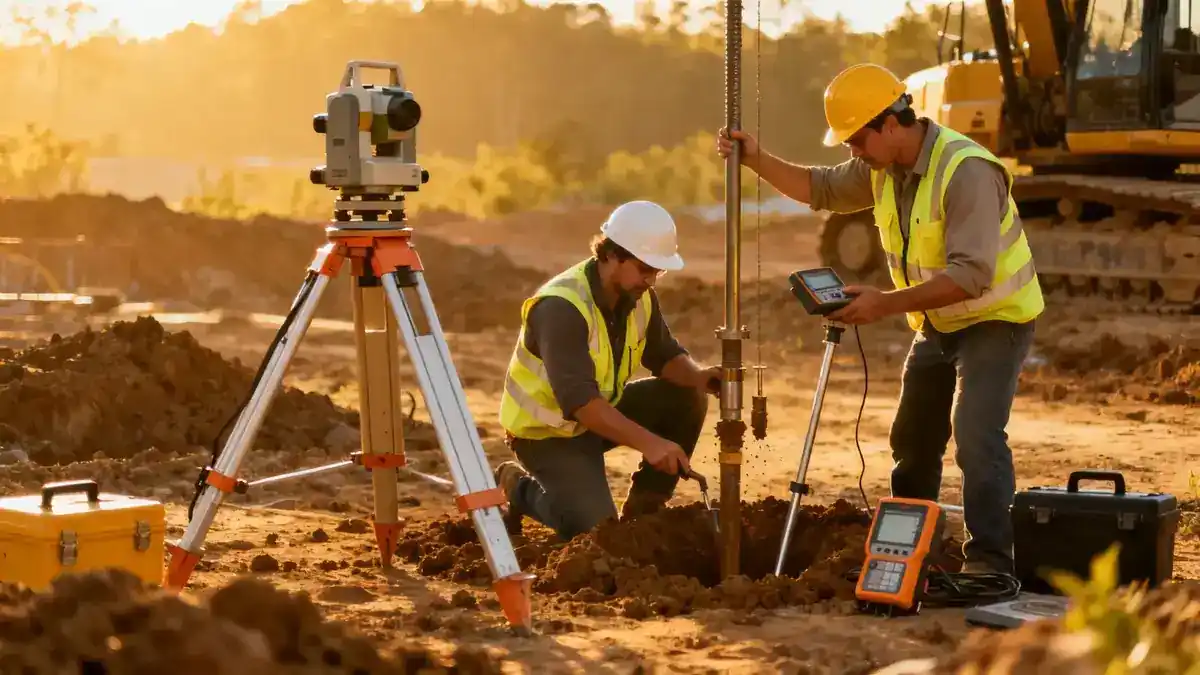
Our methodology for geotechnical engineering in Riverside begins with a thorough review of existing geologic maps and historical data. We then conduct field investigations, including spt boring and test pits, to characterize soil stratigraphy and groundwater conditions. Laboratory testing on recovered samples follows ASTM standards to determine physical and mechanical properties. All data is integrated into a geotechnical model that considers local faulting and seismic hazards. This systematic approach ensures reliable foundation recommendations for projects throughout Riverside.
Reference Technical Parameters
| Parameter | Reference Value |
|---|---|
| Predominant soil type | Alluvial sands and silts with gravel layers |
| Maximum seismic acceleration (PGA) | 0.4g to 0.6g (per ASCE 7-16) |
| Typical groundwater level | 10 to 30 feet below ground surface |
| Bedrock depth | 50 to 200 feet or greater |
| Typical N60 range | 5 to 40 blows per foot (SPT) |
Local Considerations — Riverside
Riverside's geology is dominated by Quaternary alluvium from the Santa Ana River and its tributaries, with localized colluvial deposits on hillsides. The city lies within the San Jacinto Fault Zone, a seismically active region requiring detailed fault rupture and liquefaction assessments. Groundwater levels vary significantly between the valley floor and benchlands, impacting excavation and foundation design. For projects near the Box Springs Mountains, our team often recommends specialized slope stability analyses. As part of our regional presence, we coordinate closely with our geotechnical engineering team in Los Angeles to ensure consistent, high-quality service across Southern California.
Request a Quote
Our team reviews your project and issues an initial report at no cost.
Or write us directly at contact@geotechnicalengineering.net
Services in Riverside
Applicable Standards
- ASTM D1586
- ASCE 7-16
- California Building Code (CBC)
- California Geological Survey (CGS) guidelines
Frequently Asked Questions
What are the typical soil conditions in Riverside?
Riverside soils consist mainly of alluvial sands, silts, and gravels deposited by the Santa Ana River. Localized clay layers and colluvial soils exist near hillsides. Soil density varies from loose near the surface to dense at depth, with N60 values typically ranging from 5 to 40 blows per foot.
Is seismic design mandatory for projects in Riverside?
Yes, Riverside is in a high seismic hazard zone due to proximity to the San Jacinto and San Andreas faults. The California Building Code requires site-specific seismic hazard analysis, including determination of Site Class and design response spectrum per ASCE 7-16. Our geotechnical reports address these requirements.
Do I need a geotechnical study for a residential project in Riverside?
While not always required by code for single-family homes, a geotechnical study is strongly recommended due to variable soil conditions and seismic risk. Many local jurisdictions mandate a study for hillside developments, retaining walls, or projects involving expansive soils. Our firm provides cost-effective studies tailored to residential needs.