Methodology
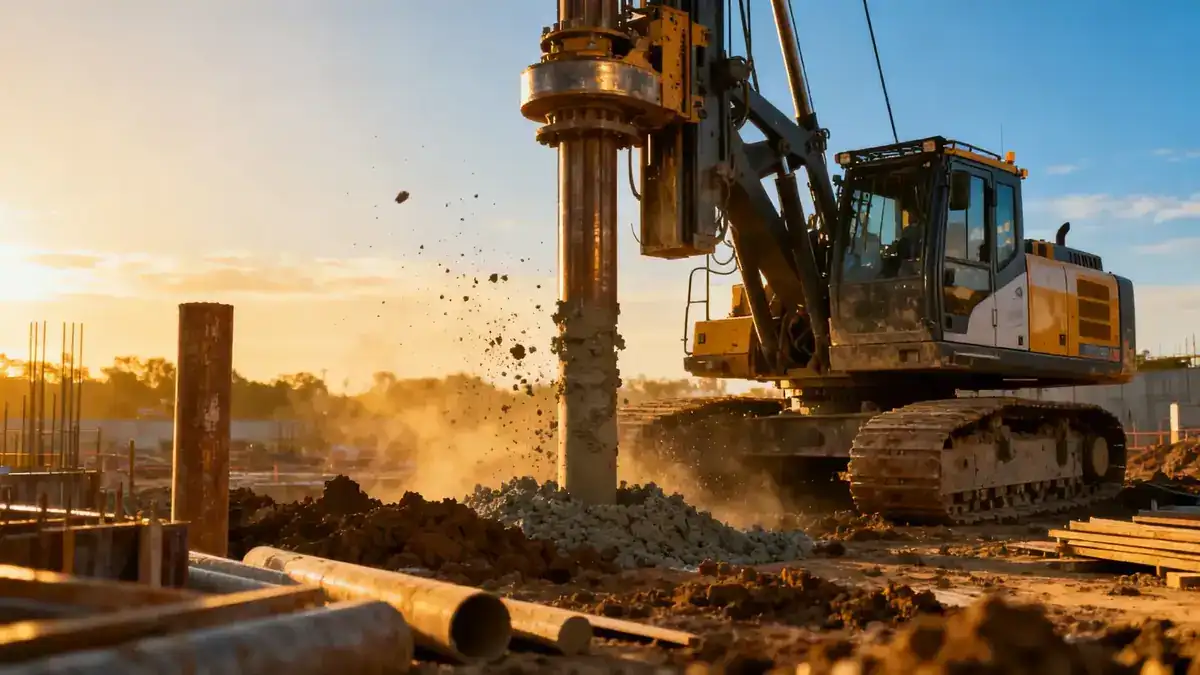
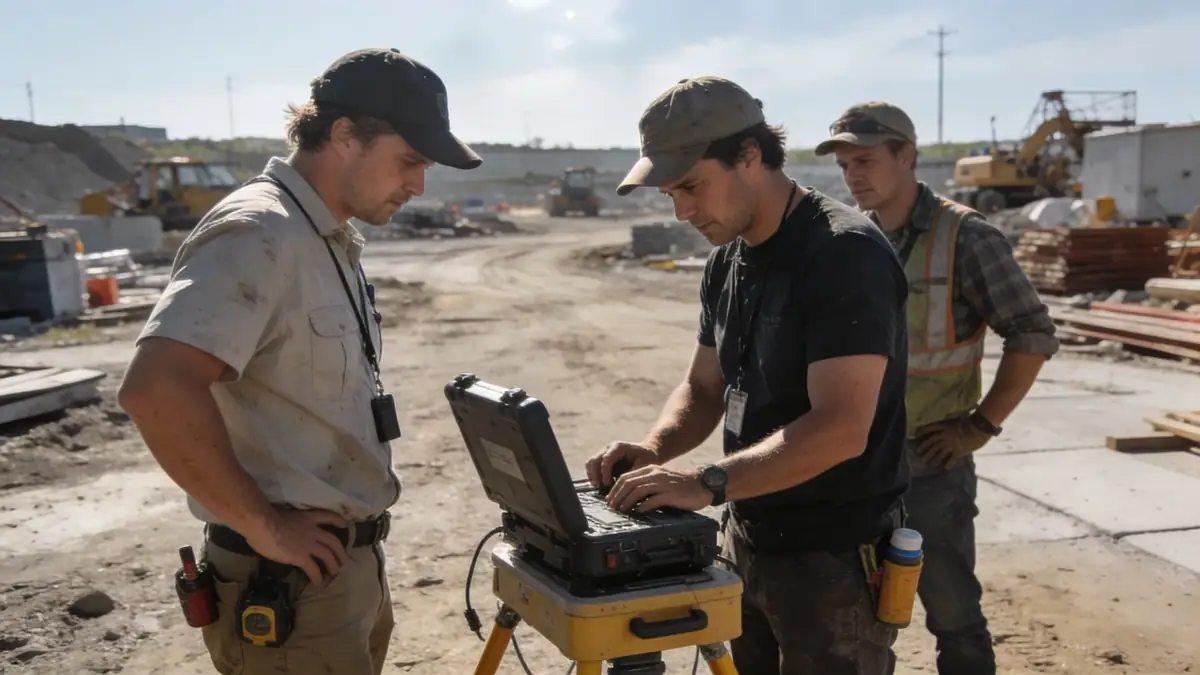
Our approach to geotechnical engineering in San Diego integrates field exploration, laboratory testing, and advanced analytical methods. We employ rotary wash drilling and standard penetration testing (SPT) in accordance with ASTM D1586 to obtain soil samples and measure N-values at 1.5-meter intervals, typically reaching depths of 15 to 25 meters for mid-rise structures. In cohesive soils, we supplement with thin-walled tube sampling for undisturbed specimens. Laboratory programs include classification (ASTM D2487), direct shear (ASTM D3080), and consolidation tests (ASTM D2435) to determine strength and compressibility parameters. Seismic site response analyses are performed using equivalent linear methods to evaluate ground motion amplification per ASCE 7-22. For detailed information on our drilling procedures, visit our spt boring page.
Reference Technical Parameters
| Parameter | Reference Value |
|---|---|
| Predominant soil type | Alluvial sands, silts, and clays with interbedded gravels |
| Maximum seismic acceleration (PGA) | 0.40g to 0.55g (Site Class C/D per ASCE 7-22) |
| Typical groundwater level | 3 to 8 meters below ground surface |
| Bedrock depth | 20 to 40 meters (variable, deeper in coastal areas) |
| Typical N60 range (SPT) | 4 to 30 blows per 0.3 m (loose to very dense sands) |
Local Considerations — San Diego
San Diego's geology is dominated by Quaternary alluvial deposits along coastal plains and river valleys, underlain by Cretaceous and Tertiary sedimentary bedrock. These soils often exhibit high variability in density and consistency, with loose sands and soft clays prone to liquefaction during seismic events. Shallow groundwater, typically 3 to 8 meters deep, can complicate excavation and require dewatering or permanent drainage systems. The region's proximity to active faults, including the Rose Canyon fault, necessitates detailed seismic hazard assessments. Our geotechnical engineering in San Diego addresses these challenges through site-specific evaluations, including liquefaction potential analysis and lateral spread estimates. For advanced laboratory testing of these materials, we rely on our soil mechanics laboratory to deliver precise parameters for design. Additionally, our team coordinates with local agencies to comply with the California Building Code and San Diego Municipal Code requirements.
Request a Quote
Our team reviews your project and issues an initial report at no cost.
Or write us directly at contact@geotechnicalengineering.net
Services in San Diego
Applicable Standards
- ASTM D1586 – Standard Test Method for Standard Penetration Test
- ASCE 7-22 – Minimum Design Loads and Associated Criteria for Buildings
- California Building Code (CBC) 2022, Chapter 18 – Soils and Foundations
- ASTM D2487 – Standard Practice for Classification of Soils
- ASTM D3080 – Standard Test Method for Direct Shear Test
Frequently Asked Questions
What are the most common soil types encountered in San Diego?
San Diego soils are predominantly alluvial sands, silts, and clays, often interbedded with gravels. Coastal areas may have loose beach sands, while inland valleys contain stiff clays and dense sands. These deposits overlay sedimentary bedrock at depths of 20 to 40 meters.
How does seismic activity affect geotechnical engineering in San Diego?
San Diego is in a high seismic zone with several active faults. Peak ground accelerations can reach 0.55g. Geotechnical studies must evaluate liquefaction potential, lateral spreading, and site amplification to meet ASCE 7-22 and CBC requirements, often necessitating deep foundations or ground improvement.
Are geotechnical studies mandatory for construction in San Diego?
Yes, the California Building Code requires geotechnical investigations for most new structures, additions, and significant renovations. Local jurisdictions may impose additional requirements for hillside developments, coastal zones, or sites with known geologic hazards. Our firm ensures compliance with all applicable regulations.