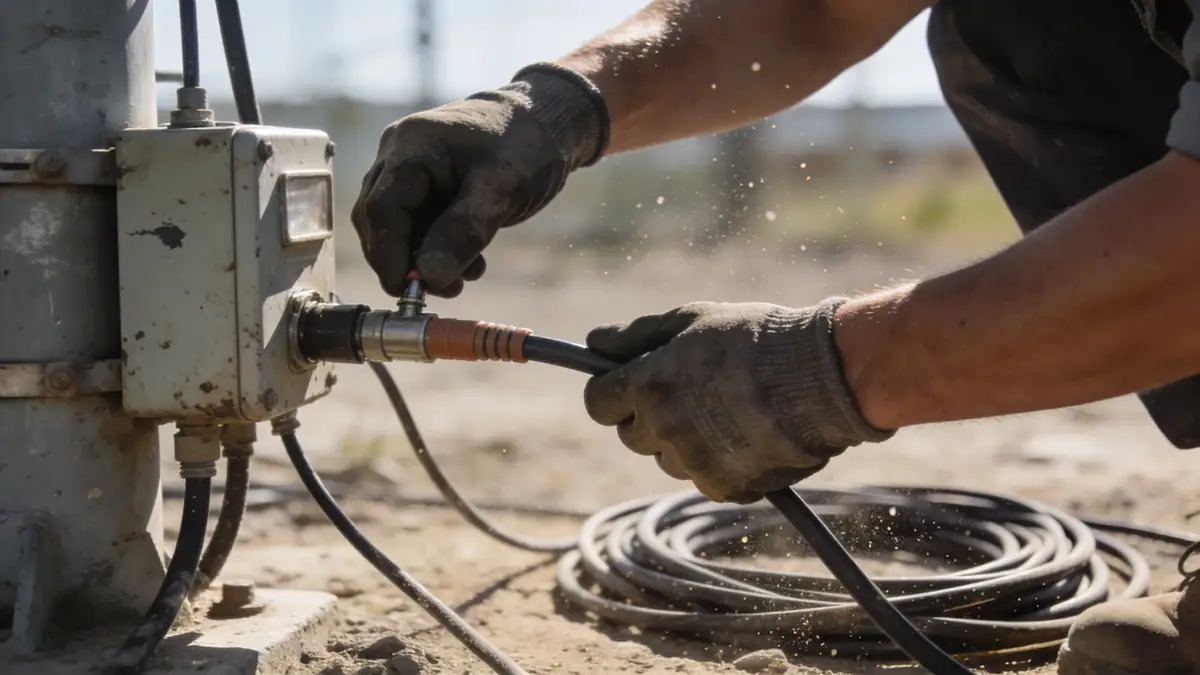
Methodology
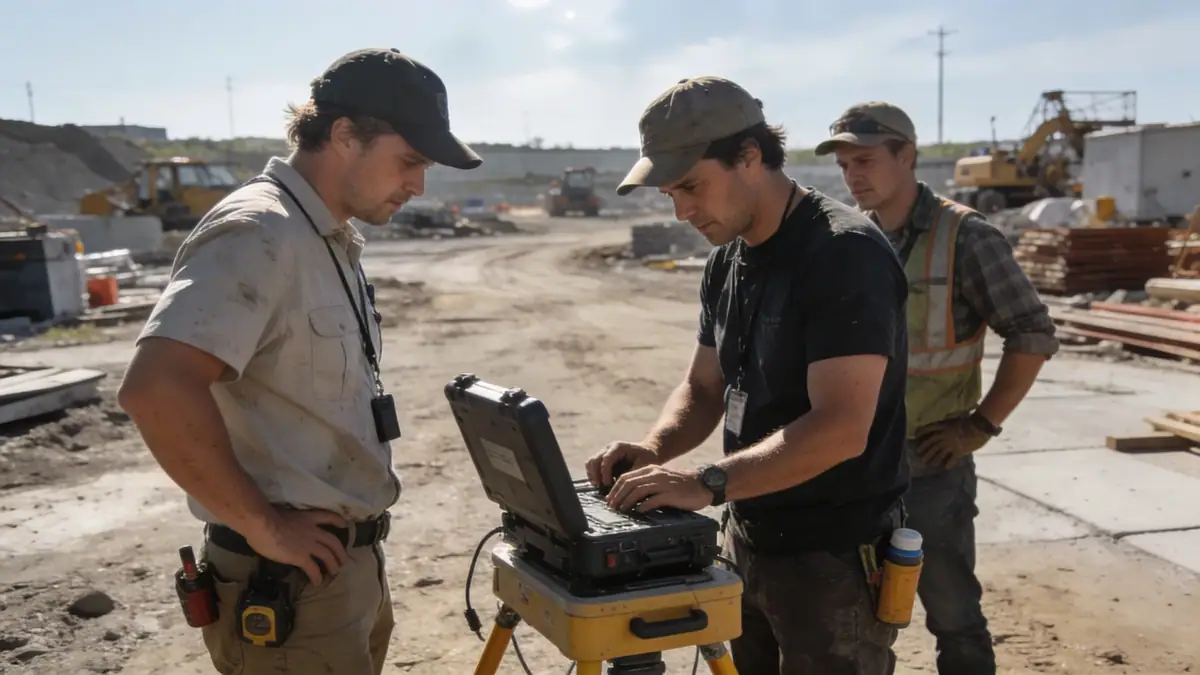
Our approach in Santa Rosa begins with a thorough review of existing geologic maps and records, followed by a site-specific exploration program. We typically employ spt boring with standard penetration testing (SPT) per ASTM D1586 at 1.5-meter intervals to characterize soil density and stratigraphy. In areas with shallow groundwater or soft soils, we supplement with cone penetration testing (CPT) for continuous profiling. All field data is correlated with laboratory testing including grain size analysis (ASTM D6913), Atterberg limits (ASTM D4318), and direct shear (ASTM D3080) to develop design parameters. Our methodology ensures compliance with local building codes and ASCE 7 seismic provisions.
Reference Technical Parameters
| Parameter | Reference Value |
|---|---|
| Predominant soil type | Silty sand and gravel (SM/GP), interbedded clay (CL) |
| Maximum seismic acceleration (PGA) | 0.4g (Site Class D, per ASCE 7-16) |
| Typical groundwater level | 4–8 m below grade |
| Bedrock depth | 10–30 m (Franciscan Complex) |
| Typical N60 range | 8–30 blows/0.3 m |
Local Considerations — Santa Rosa
Santa Rosa's proximity to the Rodgers Creek Fault imposes significant seismic hazard, requiring site-specific response analysis per ASCE 7. The city's alluvial fans and floodplains create variable soil conditions, with loose sands and soft clays in low-lying areas like the Santa Rosa Creek corridor versus stiffer terrace deposits in the Fountaingrove district. Liquefaction potential is high in saturated sandy zones, often requiring ground improvement or deep foundations. Our team has extensive experience with these local challenges, and we coordinate closely with the City of Santa Rosa Permit Center. For regional context, our geotechnical engineering en Los Angeles team applies similar rigorous standards across California.
Request a Quote
Our team reviews your project and issues an initial report at no cost.
Or write us directly at contact@geotechnicalengineering.net
Services in Santa Rosa
Applicable Standards
- ASTM D1586
- ASCE 7-16
- California Building Code (CBC) 2022
- City of Santa Rosa Grading and Erosion Control Ordinance
Frequently Asked Questions
What soil types are commonly encountered in Santa Rosa?
Santa Rosa typically has silty sands and gravelly soils from alluvial fans, with interbedded clays in floodplains. The Franciscan Complex bedrock is often found at depths of 10 to 30 meters, overlain by variable colluvium and terrace deposits.
How does seismic risk affect geotechnical design in Santa Rosa?
The Rodgers Creek Fault poses a significant seismic hazard, with a maximum considered earthquake (MCE) peak ground acceleration of 0.4g. Geotechnical reports must address liquefaction, lateral spreading, and site amplification per ASCE 7-16 and the California Building Code.
Are geotechnical investigations mandatory for new construction in Santa Rosa?
Yes, the City of Santa Rosa requires a geotechnical investigation for most new structures, additions, and grading projects. The report must be prepared by a licensed geotechnical engineer and submitted with the building permit application.