Methodology
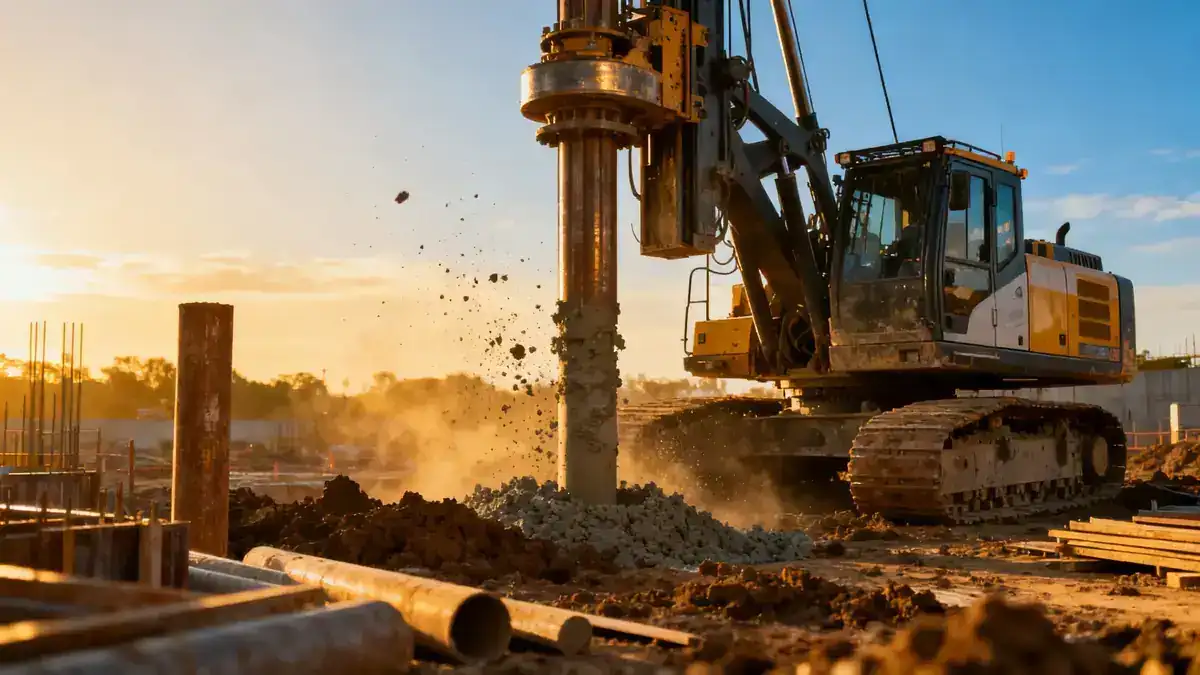
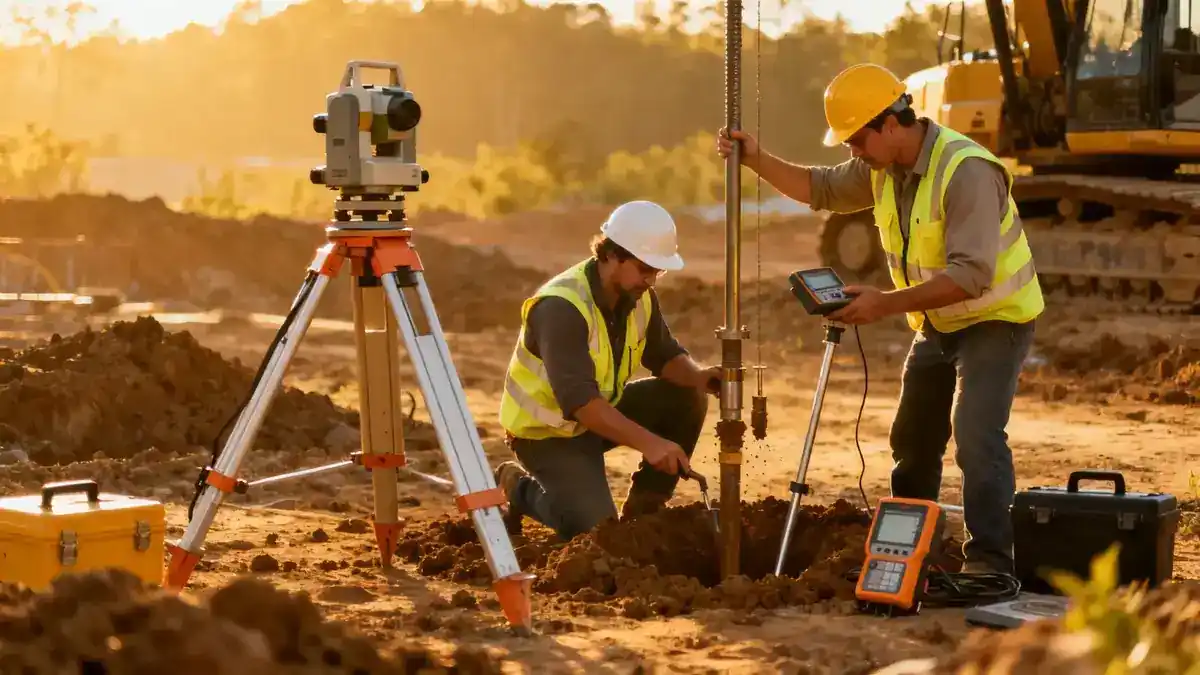
Our methodology for geotechnical engineering in Shreveport integrates field investigation, laboratory analysis, and advanced modeling. We conduct spt boring to characterize subsurface conditions, supplemented by in-situ testing and sampling. Laboratory tests on recovered samples follow standard procedures to determine strength, compressibility, and hydraulic properties. All data are synthesized into actionable recommendations for foundation design, earthworks, and seismic considerations.
Reference Technical Parameters
| Parameter | Reference Value |
|---|---|
| Predominant soil type | Clay and silt with sand layers (alluvial); clay and sandy clay (upland) |
| Maximum seismic acceleration (PGA) | 0.10–0.15 g (ASCE 7-16, Site Class C–D) |
| Typical groundwater level | 2–5 m below grade near rivers; >10 m in upland areas |
| Bedrock depth | Variable; >30 m in alluvial plains, shallower in uplands |
| Typical N60 range | 4–10 (clay); 15–30 (sand layers) |
Local Considerations — Shreveport
Shreveport's geology is dominated by Quaternary alluvium along the Red River and Tertiary clay formations in the uplands. The water table is shallow near the river, requiring dewatering considerations. Seismic hazard is moderate, with PGA of 0.10–0.15 g per ASCE 7-16. Our team integrates local experience with soil mechanics laboratory data to address challenges such as expansive clays and slope instability. For broader regional context, refer to geotechnical engineering en Houston.
Request a Quote
Our team reviews your project and issues an initial report at no cost.
Or write us directly at contact@geotechnicalengineering.net
Services in Shreveport
Applicable Standards
- ASTM D1586
- ASCE 7-16
- IBC 2021
- Louisiana State Building Code
Frequently Asked Questions
What are the typical soil conditions in Shreveport?
Shreveport soils range from alluvial silts and clays near the Red River to stiff clays and sandy clays in the uplands. Expansive clays are common, requiring careful foundation design. Groundwater is shallow in low-lying areas.
Is a geotechnical study required for construction in Shreveport?
Yes, the Louisiana State Building Code requires a geotechnical investigation for most structures. Our firm provides comprehensive studies that meet local code requirements, including seismic considerations per ASCE 7-16.
What seismic design parameters apply in Shreveport?
Shreveport falls in Seismic Design Category B per ASCE 7-16, with a maximum considered earthquake spectral response acceleration Ss of 0.10–0.15 g. Site-specific analysis is recommended for critical structures.