Methodology
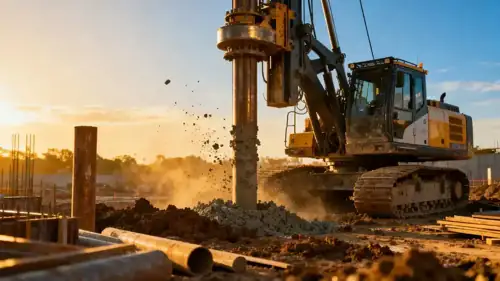
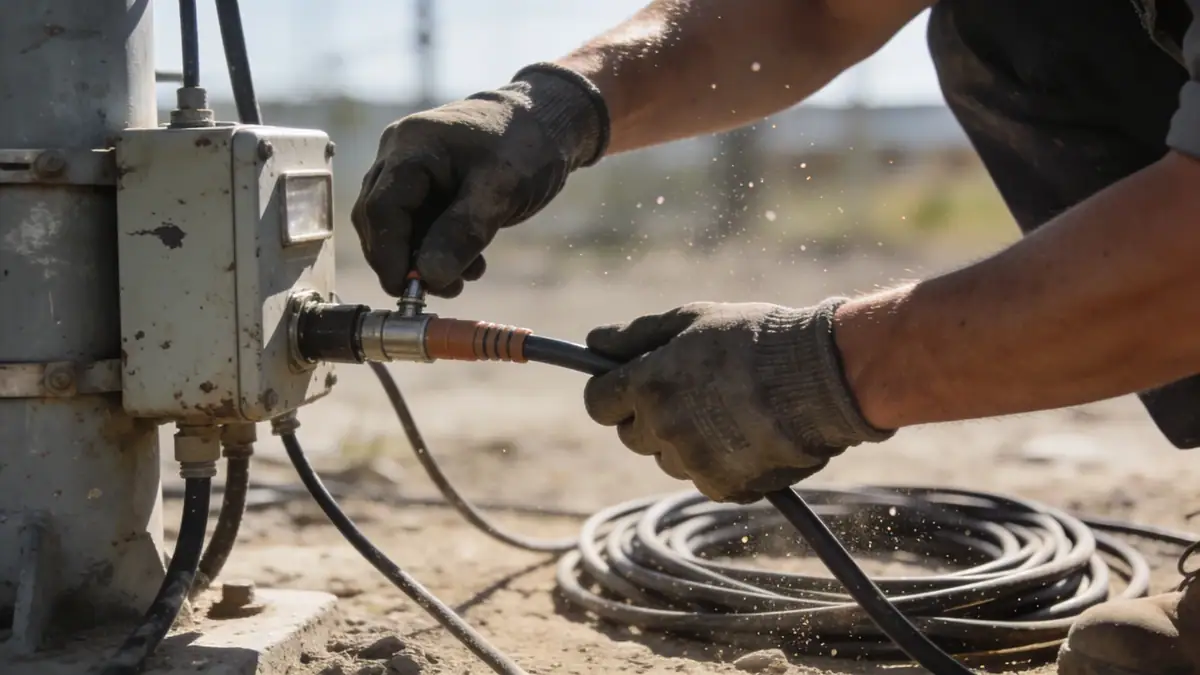
Our methodology for geotechnical engineering in Sioux City begins with a comprehensive review of existing geological maps and previous site data. We then execute a field exploration program, typically employing spt boring in accordance with ASTM D1586 to obtain soil samples and measure N-values at 1.5 m intervals. Laboratory testing follows on representative samples to determine index properties, strength, and consolidation characteristics. This data is integrated into a site-specific geotechnical model, which informs our analysis of bearing capacity, settlement, and seismic site response. Our approach ensures that every project in Sioux City benefits from a rigorous, data-driven foundation design.
Reference Technical Parameters
| Parameter | Reference Value |
|---|---|
| Predominant soil type | Loess and glacial till over alluvial sands and gravels |
| Maximum seismic acceleration (PGA) | 0.15 g (ASCE 7-16 Site Class D) |
| Typical groundwater level | 3–6 m below grade (varies with Missouri River stage) |
| Bedrock depth | 30–60 m (shallowest in northwest Sioux City) |
| Typical N60 range | 4–15 blows/ft in loess; 20–50 in till |
Local Considerations — Sioux City
Sioux City's geology is dominated by loess—a wind-deposited silt that is highly erodible and prone to collapse upon wetting. This material overlays glacial till and alluvial deposits from the Missouri River. The high water table near the river poses excavation challenges and requires dewatering or permanent drainage. Seismic design follows ASCE 7, with a mapped PGA of 0.15 g for Site Class D. Neighborhood contrasts exist: residential areas on the bluffs have shallow bedrock, while industrial zones along the floodplain require deep foundations. Typical projects include residential slab-on-grade and commercial deep foundations, often requiring slope stability analysis for cut slopes in loess.
Request a Quote
Our team reviews your project and issues an initial report at no cost.
Or write us directly at contact@geotechnicalengineering.net
Services in Sioux City
Applicable Standards
- ASTM D1586
- ASCE 7-16
- IBC 2021
- ASTM D2487 (USCS)
Frequently Asked Questions
What soil types are commonly encountered in Sioux City?
Sioux City soils are primarily loess (wind-blown silt) overlying glacial till and alluvial sands/gravels. Loess is sensitive to moisture changes and can collapse when wetted, requiring careful foundation design. Near the Missouri River, soft alluvial clays may also be present.
Are geotechnical studies required for residential construction in Sioux City?
While not always mandatory for single-family homes, a geotechnical study is strongly recommended due to variable soil conditions, especially loess. Many local building departments require a soils report for deeper foundations or hillside developments to ensure compliance with IBC seismic provisions.
Which seismic code applies to Sioux City?
Sioux City follows the International Building Code (IBC) with ASCE 7-16 seismic provisions. The design PGA is 0.15 g for Site Class D, corresponding to Seismic Design Category B. Site-specific response spectra may be required for critical structures or soft soil sites.