Methodology
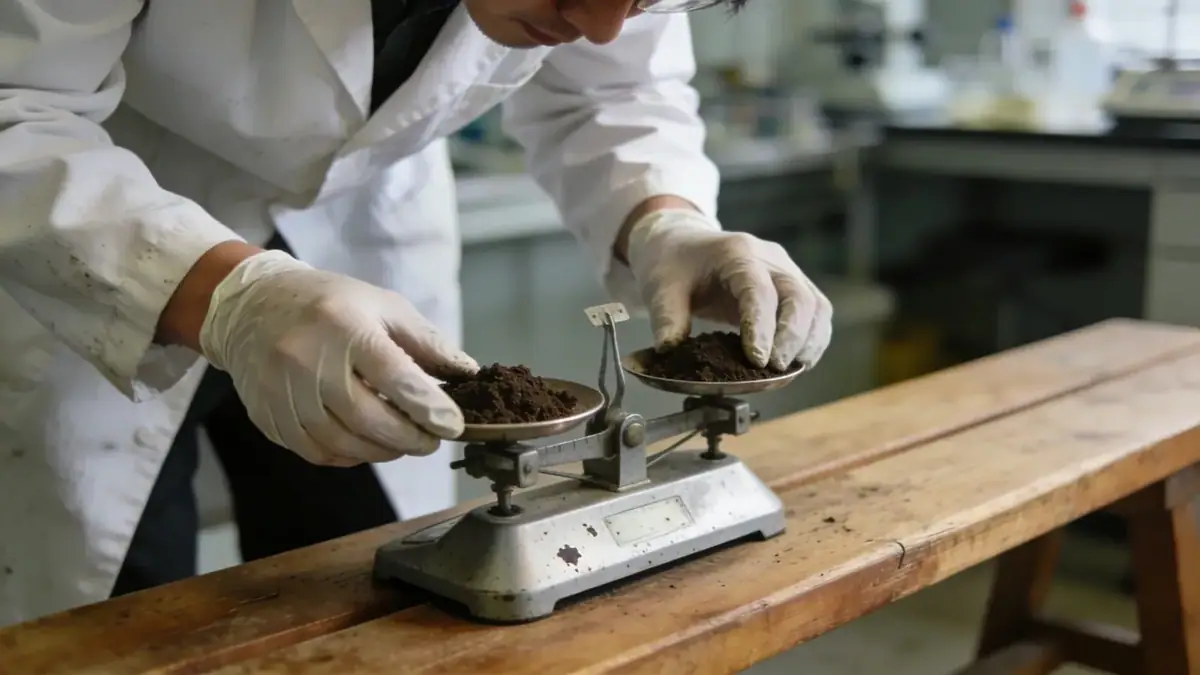
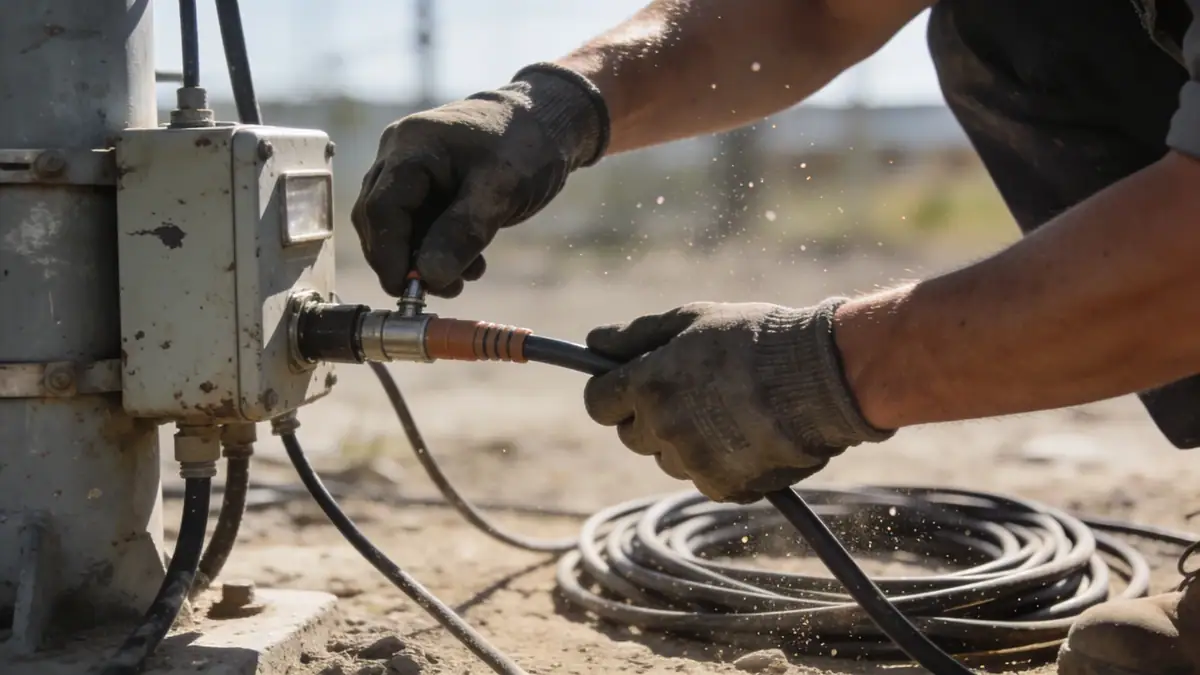
Our methodology for geotechnical engineering in Spokane begins with a detailed review of existing geologic maps and project requirements. We then conduct field investigations, including spt boring to obtain soil samples and measure resistance. In our soil mechanics laboratory, we perform index properties tests, strength tests, and consolidation tests to characterize soil behavior. For seismic evaluations, we follow ASCE 7 to determine site class and liquefaction potential. This integrated approach provides reliable parameters for foundation and earthwork design.
Reference Technical Parameters
| Parameter | Reference Value |
|---|---|
| Predominant soil type | Glacial till, alluvial sands and gravels, lacustrine silts and clays |
| Maximum seismic acceleration (PGA) | 0.2–0.3 g (ASCE 7, Site Class C/D) |
| Typical groundwater level | 5–15 m below ground surface (varies with season and location) |
| Bedrock depth | 10–30 m (Missoula Group basalt or sedimentary rock) |
| Typical N60 range (SPT) | 10–50 blows/ft (glacial till: 30–50, alluvial: 10–30) |
Local Considerations — Spokane
Spokane's geology is dominated by glacial deposits from the Cordilleran Ice Sheet and alluvial sediments from the Spokane River. The Spokane Valley-Rathdrum Prairie Aquifer is a major shallow unconfined aquifer, requiring careful groundwater management. Seismic hazards include moderate ground shaking from the Spokane Fault Zone. Local soil conditions vary significantly between downtown (dense till) and the valley (loose sands). Typical projects require slope stability analysis for hillside developments and settlement evaluation for structures near the aquifer. For comprehensive geotechnical support, our team also offers slope stability analysis tailored to Spokane's terrain. As the regional hub, our geotechnical engineering in Seattle team provides additional resources for complex projects.
Request a Quote
Our team reviews your project and issues an initial report at no cost.
Or write us directly at contact@geotechnicalengineering.net
Services in Spokane
Applicable Standards
- ASTM D1586 (Standard Test Method for Standard Penetration Test)
- ASCE 7 (Minimum Design Loads for Buildings and Other Structures)
- IBC (International Building Code) – Washington State Amendments
- City of Spokane Municipal Code – Chapter 17.04 (Geotechnical Reports)
Frequently Asked Questions
What are the common soil types encountered in Spokane?
Spokane soils are predominantly glacial till (dense silty sand and gravel), alluvial sands and gravels along rivers, and lacustrine silts and clays in low-lying areas. These variations require site-specific investigation.
Does Spokane have seismic design requirements?
Yes, Spokane is in a moderate seismic zone. The Washington State Building Code adopts ASCE 7, with mapped spectral accelerations (S_s ~0.6g, S_1 ~0.2g). Geotechnical reports must include site class determination and liquefaction assessment.
Are geotechnical studies mandatory for construction in Spokane?
The City of Spokane requires geotechnical reports for most new construction, additions, and hillside developments. These studies ensure foundation adequacy, slope stability, and compliance with the Municipal Code.