Methodology
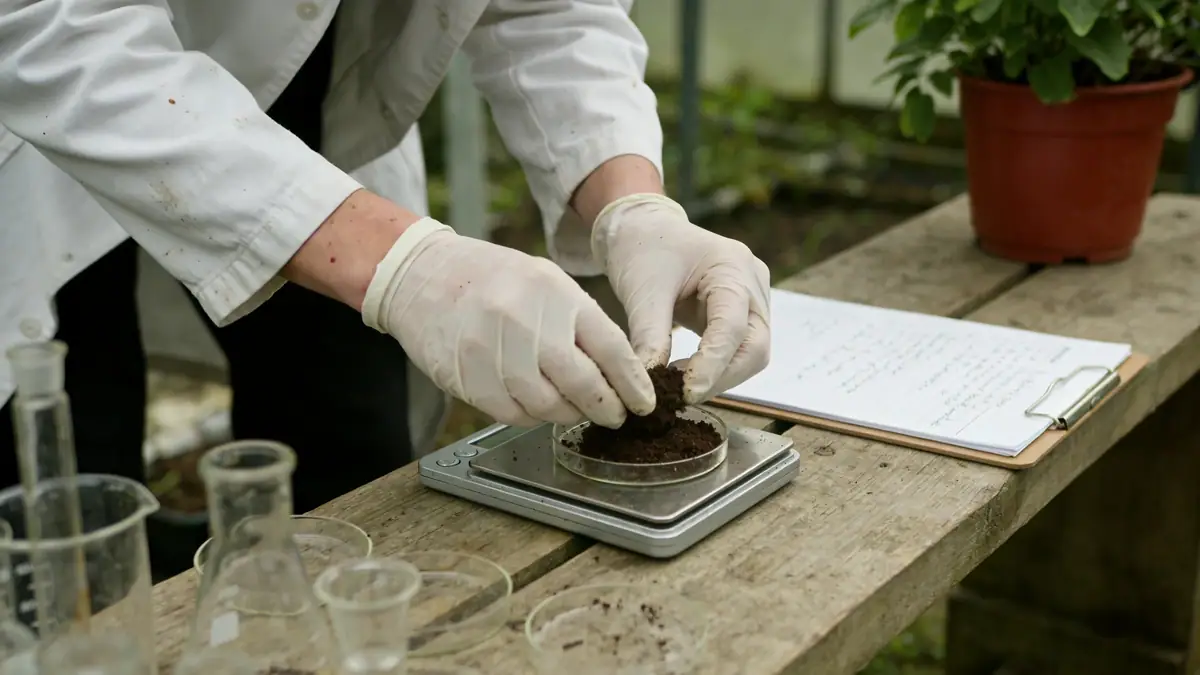
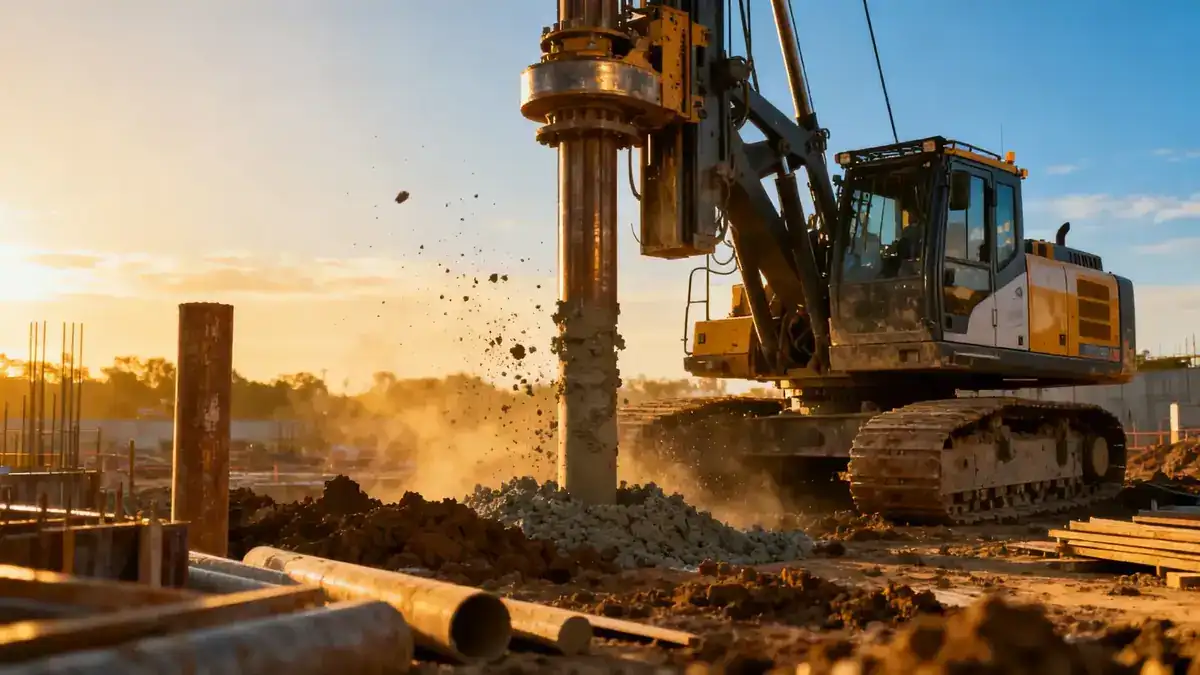
Our methodology in Springfield Missouri integrates standard penetration testing (SPT) per ASTM D1586 with continuous sampling to characterize soil profiles. We employ a phased approach: desk study, field exploration, laboratory testing, and analysis. For slope stability assessments, we use limit equilibrium methods and finite element modeling, considering local groundwater fluctuations. Our spt boring operations follow strict quality control, with sampling intervals typically every 1.5 meters or at changes in strata. All field data are correlated with laboratory results from our soil mechanics laboratory to determine engineering parameters for foundation and retaining wall design.
Reference Technical Parameters
| Parameter | Reference Value |
|---|---|
| Predominant Soil Type | Cherty residuum, loess, and clay over limestone/dolomite bedrock |
| Maximum Seismic Acceleration (PGA) | 0.05–0.10 g (ASCE 7 seismic design category B–C) |
| Typical Groundwater Level | Variable, often 10–30 ft below surface depending on season and karst features |
| Bedrock Depth | Typically 10–50 ft, with irregular surface due to karst dissolution |
| Typical N60 Range (SPT) | Residuum: 5–15; weathered rock: 30–60; competent rock: >100 |
Local Considerations — Springfield Missouri
Springfield Missouri sits atop the Springfield Plateau, where karst geology dominates. Sinkholes and solution channels are common, requiring careful site evaluation. Our firm recommends thorough subsurface exploration with closely spaced borings to identify voids. The local building code references ASCE 7 for seismic loads, with peak ground accelerations up to 0.10 g. Soils often include expansive clays, necessitating moisture control and specialized foundation designs. For projects near the James River or Wilson's Creek, groundwater fluctuations must be monitored. For broader regional context, see our geotechnical engineering en Chicago page for comparison with glacial geology. Additionally, our slope stability services address the steep terrain along the Ozark escarpment.
Request a Quote
Our team reviews your project and issues an initial report at no cost.
Or write us directly at contact@geotechnicalengineering.net
Services in Springfield Missouri
Applicable Standards
- ASCE 7 (Minimum Design Loads for Buildings and Other Structures)
- ASTM D1586 (Standard Test Method for Standard Penetration Test)
- ASTM D2487 (Classification of Soils for Engineering Purposes)
- Local Springfield Building Codes (adopting IBC)
Frequently Asked Questions
What soil types are typically encountered in Springfield Missouri?
The predominant soils are cherty residuum derived from limestone weathering, loess deposits, and alluvial clays along streams. These materials often overlie Mississippian limestone or dolomite bedrock, with karst features such as sinkholes and solution channels present.
Is seismic design required in Springfield Missouri?
Yes, per ASCE 7, Springfield falls within seismic design category B or C, with a mapped maximum considered earthquake (MCE) PGA of 0.05–0.10 g. Site-specific response spectra may be required for critical facilities, and soil amplification factors must be considered.
Are geotechnical studies mandatory for construction projects in Springfield?
While not always legally required for small residential projects, most local building officials recommend or require geotechnical investigations for commercial and multi-family developments, especially in areas with known karst or expansive soils.