Methodology
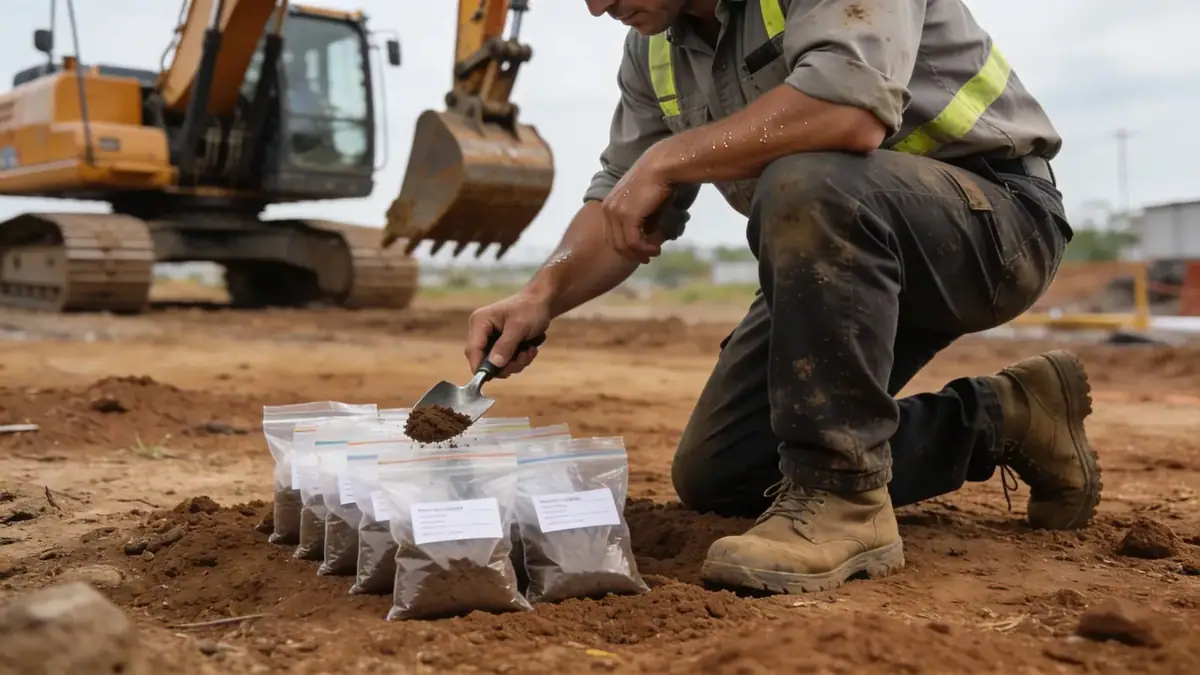
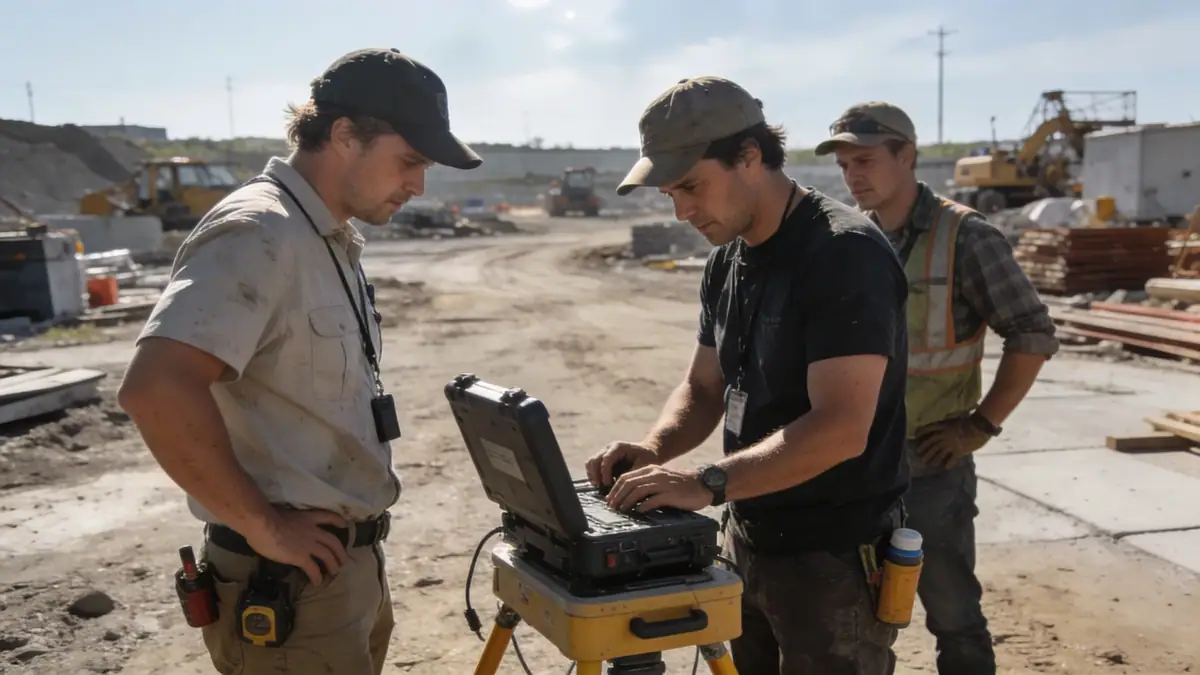
Our methodology for geotechnical engineering in Stockton follows a phased approach aligned with ASTM D1586 and CBC Chapter 16. We begin with a desktop study of geological maps and historical boring logs to identify potential peat lenses, liquefaction zones, and high groundwater areas. Field exploration typically includes spt boring at 1.5 m intervals to 15–30 m depth, supplemented by CPT soundings for continuous stratigraphic profiling. Soil samples are tested in our laboratory for moisture content, Atterberg limits, and unconfined compressive strength. We then develop site-specific seismic response parameters using site class D (stiff soil) as a baseline, with PGA values up to 0.40g for Stockton, per ASCE 7–16. Our deliverables include bearing capacity, settlement estimates, and recommendations for shallow or deep foundations.
Reference Technical Parameters
| Parameter | Reference Value |
|---|---|
| Predominant soil type | Silty clay and peat (Holocene alluvium) |
| Maximum seismic acceleration (PGA) | 0.40g (MCE, per ASCE 7–16) |
| Typical groundwater level | 1.5 to 4.5 m below ground surface |
| Bedrock depth | >100 m (Great Valley sequence) |
| Typical N60 range (SPT) | 4–15 blows/ft in upper 10 m |
Local Considerations — Stockton
Stockton's geology is defined by the Delta's alluvial plain, with interbedded silts, clays, and peats that cause high compressibility and variability. The shallow water table requires dewatering considerations for excavations and can reduce bearing capacity. Seismic design must account for liquefaction potential in loose sandy layers below the water table, especially in downtown areas near the Stockton Deep Water Channel. Our team integrates these factors into project-specific recommendations, referencing the City of Stockton's grading and foundation ordinances. For broader regional context, our expertise extends to geotechnical engineering en Los Angeles, where similar alluvial conditions are encountered.
Request a Quote
Our team reviews your project and issues an initial report at no cost.
Or write us directly at contact@geotechnicalengineering.net
Services in Stockton
Applicable Standards
- ASTM D1586 (Standard Test Method for SPT)
- ASCE 7–16 (Minimum Design Loads for Buildings)
- California Building Code (CBC) 2022
- City of Stockton Municipal Code – Grading and Excavation
- ASTM D2487 (Unified Soil Classification System)
Frequently Asked Questions
What are the dominant soil types in Stockton?
Stockton's subsurface is primarily Holocene alluvium, consisting of silty clays, clayey silts, and peat layers. These soils are soft to medium stiff, with high moisture content and compressibility, requiring careful foundation design.
Is a geotechnical study mandatory for building permits in Stockton?
Yes, the City of Stockton requires a geotechnical investigation for most new structures and additions, per CBC Chapter 18. The report must address bearing capacity, settlement, and seismic hazards such as liquefaction.
How does seismicity affect foundation design in Stockton?
Stockton lies in Seismic Zone 4 with PGA up to 0.40g. Liquefaction is a key concern in loose, saturated sands. Our designs incorporate site-specific response spectra, ground improvement, or deep foundations to mitigate risks.