Methodology
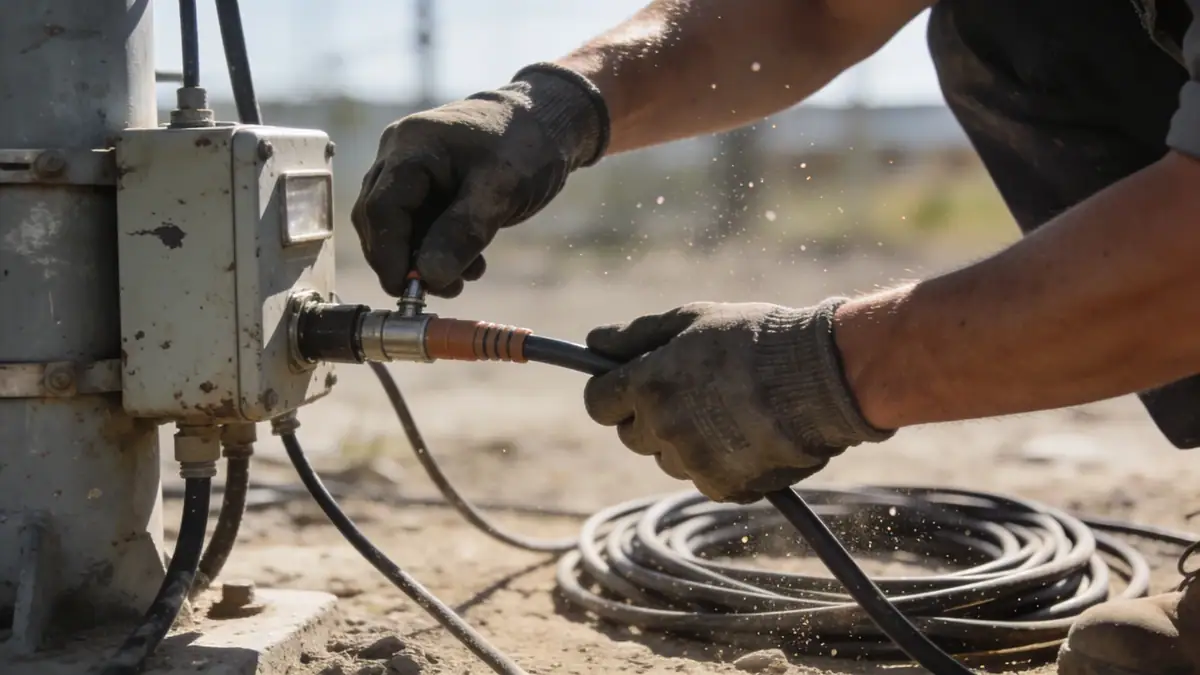
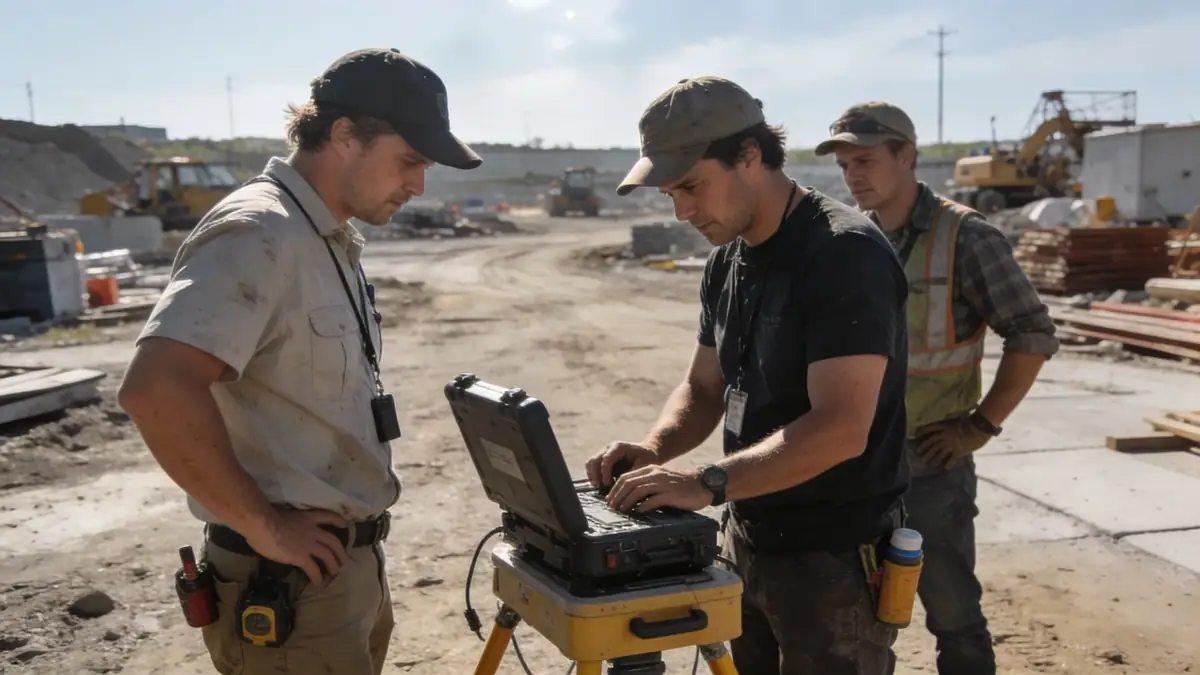
Our methodology for geotechnical engineering in Tampa Florida begins with a thorough review of existing geological maps and historical data. We then conduct field investigations, including spt boring per ASTM D1586, to obtain soil samples at regular intervals. Laboratory testing follows established standards such as ASTM D6913 for grain size analysis and ASTM D4318 for Atterberg limits. We integrate these results with site-specific seismic considerations per ASCE 7, as Tampa falls within Seismic Design Category A (low seismicity), though local soil amplification must be evaluated. Our comprehensive reports provide clear recommendations for foundation design, slope stability, and earthwork.
Reference Technical Parameters
| Parameter | Reference Value |
|---|---|
| Predominant soil type | Sandy soils (SP-SM) with limestone (karst) formations |
| Maximum seismic acceleration (PGA) | 0.05 g (per ASCE 7, Seismic Design Category A) |
| Typical groundwater level | 1.5 to 3.0 m below ground surface (varies seasonally) |
| Bedrock depth | 10 to 30 m (limestone with cavities) |
| Typical N60 range | 10 to 50 blows/0.3 m (dense sands and soft limestone) |
Local Considerations — Tampa Florida
Tampa's geology is dominated by sandy soils overlying limestone bedrock, with a high water table often within 2 meters of the surface. Sinkhole risk is significant due to dissolution of limestone, requiring careful soil mechanics laboratory evaluation. Seismic accelerations are low (PGA 0.05g), but soil amplification can occur in loose sands. Older neighborhoods near the Hillsborough River may have softer alluvial deposits, while coastal areas show denser sands. Typical projects include residential slab-on-grade foundations and shallow spread footings. For deeper structures, we recommend CPT soundings to assess limestone continuity. Our local experience ensures cost-effective solutions for Tampa's unique subsurface conditions. For regional context, see our geotechnical engineering en Miami page.
Request a Quote
Our team reviews your project and issues an initial report at no cost.
Or write us directly at contact@geotechnicalengineering.net
Services in Tampa Florida
Applicable Standards
- ASTM D1586 – Standard Test Method for Standard Penetration Test (SPT)
- ASCE 7 – Minimum Design Loads and Associated Criteria for Buildings (Seismic)
- Florida Building Code (FBC) – Chapter 18: Soils and Foundations
- ASTM D2487 – Classification of Soils for Engineering Purposes (Unified Soil Classification System)
Frequently Asked Questions
What soil types are most common in Tampa Florida?
Tampa Florida predominantly features sandy soils (SP-SM) over limestone bedrock. These sands are often poorly graded with some silt. The underlying limestone is karstic, leading to potential voids and sinkholes. Understanding these conditions is critical for foundation design.
Is seismic design required in Tampa Florida?
Per ASCE 7, Tampa falls under Seismic Design Category A, indicating very low seismic hazard. However, local soil conditions can amplify ground motion, so site-specific response analysis may be recommended for critical structures. The Florida Building Code incorporates these requirements.
Are geotechnical studies mandatory for construction in Tampa?
Yes, the Florida Building Code mandates geotechnical investigations for most new construction, especially in areas prone to sinkholes. A typical study includes SPT borings, laboratory testing, and a report outlining foundation recommendations and site classification.